









Classrooms teach children what to know. The real world teaches them how to use it. That is why more schools today are building travel, expeditions, and cultural exchange into the academic calendar, not as a once-in-a-while treat, but as a planned part of how children grow up. Top schools in Noida like Manav Rachna International School (MRIS), Sector 51, Noida, have built this thinking into their year-round program, using annual expeditions and cultural trips to turn everyday students into confident, curious, and globally aware young adults.
But why does this approach work so well? Let's look at what happens when children step out of the classroom and into the world.
Is Textbook Learning Enough?
A classroom gives students important knowledge, but real-world experiences give that knowledge context. A student may learn about architecture, ecosystems, history, business, or culture through books and lessons. Seeing these things in real life adds another layer to that understanding.
To give you an example, a student who reads about the First War of Independence will understand the point of why Indians lost, after visiting the museum, much better than they would by peering in a book.
The gap that opens up can only be closed by expeditions and cultural trips. They place children in situations where there is no single right answer written at the back of the book and where they must think, adapt, and act on their own.
Also Read | Importance of Occupational Therapy for Children
What Children Actually Learn on a Trip
It's easy to think of school trips as fun breaks from studies. In reality, a well-planned expedition teaches lessons that are hard to deliver inside four walls.
Independence and decision-making. Away from home, children have to manage their own time, belongings, and small daily decisions. This builds a quiet, lasting confidence that shows up later in how they handle bigger responsibilities.
Cultural intelligence. Visiting a new city, region, or country exposes children to different languages, food, customs, and ways of life. They learn, firsthand, that there is a lesson that builds empathy and reduces the kind of narrow thinking that can limit a person later in life.
Curiosity that textbooks can't create. Standing inside a heritage monument or a science park makes history and science feel real in a way no diagram ever can. This kind of hands-on exposure often sparks genuine interest in subjects a child may have otherwise found boring.
Real conversations with real professionals. When children get the chance to interact with industry experts, business leaders, or specialists in a field, they see what these careers actually look like day to day. This kind of exposure, at a young age, often shapes the choices they make later about what they want to study and become.
Teamwork under real conditions. Group travel naturally throws up small conflicts and challenges. Working through these builds cooperation and patience in a way that group projects at school rarely manage to.
A sense of responsibility toward others. Trips that include volunteering or community interaction help children understand that their choices affect people around them. This is where genuine values, not just marks on a report card, start to take shape.
Why This Matters More in the Years Ahead
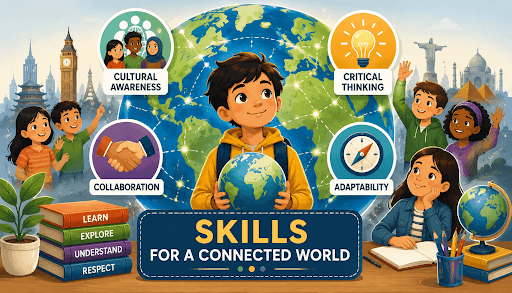
As careers become more global and more collaborative, the students who will do well are not necessarily the ones who scored the highest, but the ones who can adapt quickly, work with people different from themselves, and stay curious in the face of the unfamiliar. These are not skills that can be taught through a lecture. They are built gradually, trip by trip, experience by experience, starting from a young age.
This is exactly the thinking that schools with strong expedition programs are trying to build into everyday school life as a consistent part of how children are shaped through their school years.
Also Read | Educational Trips Build Confidence and Leadership
How Manav Rachna School Brings This to Life
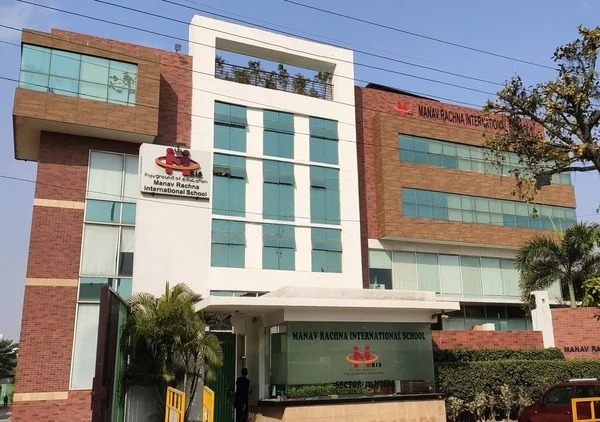
At one of the best CBSE schools in Noida, MRIS Sector 51, Noida, this philosophy shows up clearly in the school's annual expeditions and exchange program. Rather than treating trips as an isolated activity, the school has woven them into the everyday learning journey of its students.
Depending on their age group, students get to visit places such as Parliament museums, heritage sites, and knowledge parks, thus turning subjects like history, civics, and science into experiences they can see and touch, not just read about. The school also creates opportunities for students to interact directly with industry professionals, including experts from bodies like ICAI and CEOs of leading organizations, giving young learners a genuine glimpse into the world of work well before they have to choose a career path. Structured volunteering initiatives further help students understand responsibility and community involvement early on.
Beyond the local exposure, MRIS Noida also gives students a global outlook through international programs such as the Manav Rachna Global Summer School and the UK Summer School, where they connect and learn alongside peers from different cultural backgrounds. The school has also lined up upcoming expeditions to destinations including Singapore, Vietnam, and South Africa, extending this exposure even further beyond Indian borders.
Alongside this, the school's annual trips are designed to balance adventure and leadership with genuine enjoyment and relaxation, giving a reminder that these experiences are meant to build well-rounded individuals, not just add another item to a student's activity list.
The Bigger Picture
Expeditions and cultural exchange are becoming a core part of how children are prepared for a world that will ask a lot more from them than exam scores. Programs like the one at Manav Rachna School, Sector 51, Noida, show what this looks like in practice: structured exposure, real-world interaction, and global connections, all built gradually through the school years. For parents evaluating schools today, it's worth asking not just what a school teaches inside the classroom, but where it takes its students outside of it.
To know more about other schools in this area, click on the link below


 as a preferred source on