








Walk into any traditional classroom, and you'll likely see rows of students absorbing information from textbooks. But is this enough to prepare children for a world that demands creativity, collaboration, and critical thinking? The answer lies in a revolutionary approach that's transforming education—one where learning extends beyond four walls into specialised clubs, hands-on labs, and real-world experiences.
Aadya Academy – The World School (AWTS) in Kannuru, Bangalore, exemplifies this shift. The ICSE school has reimagined education through mandatory club participation and experiential learning, ensuring every child discovers their unique potential. In this article, we'll explore how club-based education models are reshaping childhood development, the role of practical learning environments, and why schools like AWTS are leading this transformation.
Also Read | How Bridge Courses Create a Level Playing Field
Why Traditional Classroom Learning Isn't Enough Anymore
The world has changed dramatically, yet many classrooms haven't. Today's children will enter careers that don't even exist yet, solving problems we haven't imagined. This reality demands more than textbook knowledge—it requires adaptability, problem-solving skills, and emotional intelligence.
Research consistently shows that students retain only 10% of what they read but remember 75% of what they practice hands-on. The National Education Policy 2020 recognises this gap, emphasising experiential learning, critical thinking, and holistic development over rote memorisation.
Traditional education often produces students who excel at exams but struggle with real-world application. They can recite formulas but falter when asked to work in teams, think creatively, or communicate effectively. This disconnect between classroom learning and life skills has pushed progressive educators to seek alternatives.
The solution? Educational models that integrate academic rigour with skill development, creative exploration, and character building—exactly what club-based learning systems offer.
The Club-Based Education Model: A Game-Changer
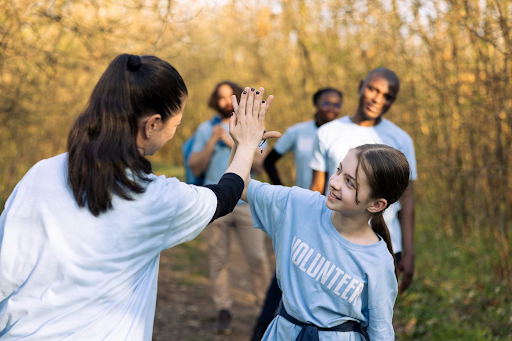
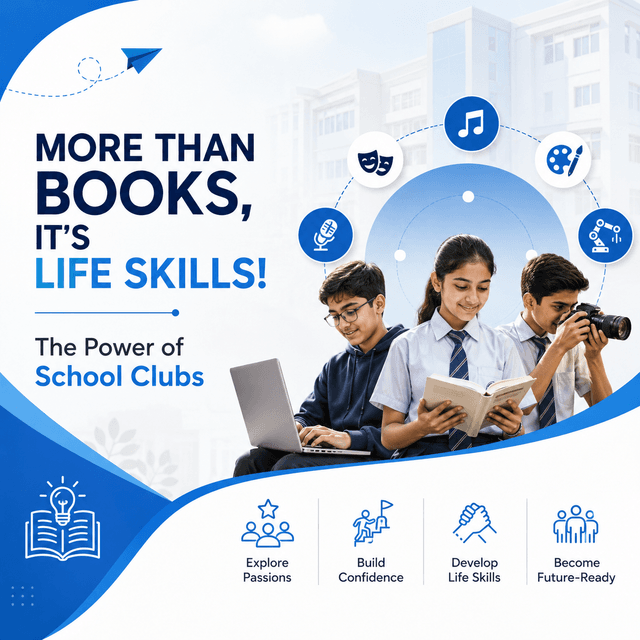
Imagine a school where every child must join at least one club—not as an afterthought, but as a core component of their education. This is club-based learning, and it's revolutionising how children develop skills, discover passions, and build confidence.
What Makes Club-Based Learning Different
Unlike optional extracurricular activities that only engaged students participate in, mandatory club systems ensure every child finds their niche. A student struggling with math might discover they're brilliant at robotics. Another who's shy in class could shine in the public speaking club.
Clubs operate on a simple principle: children learn best when they're genuinely interested. By offering diverse options—from coding to cooking, entrepreneurship to environmental activism—schools create multiple pathways for success. Students aren't just consuming information; they're applying it, experimenting with it, and making it their own.
The peer learning environment within clubs is equally valuable. A fifth-grader teaching a third-grader origami isn't just helping another student—they're reinforcing their own knowledge, developing patience, and building leadership skills. These soft skills prove invaluable long after school ends.
Categories of Educational Clubs
Academic clubs transform subjects from obligations into adventures. Language clubs host debates and storytelling competitions. Math clubs turn abstract numbers into puzzles and real-world problems. Science and robotics clubs let students build, break, and rebuild until they understand how things work.
Performance and arts clubs provide outlets for creative expression. Dance, music, drama, and visual arts aren't just fun—they develop discipline, boost confidence, and teach students to handle success and failure gracefully. A child learning to perform on stage is also learning to manage anxiety and present themselves effectively.
Awareness and community service clubs build character:
- Environmental clubs teaching sustainability through action
- Philanthropy clubs connecting students with their community
- Integrity and leadership clubs fostering ethical decision-making
- Health and wellness clubs promoting physical and mental well-being
These clubs create socially conscious individuals who understand their role in the larger world.
The Role of Structured Activity Time
Effective club-based learning isn't random—it's carefully structured into the school week. Dedicated time slots ensure clubs aren't squeezed between academics but recognised as equally important. Teachers and club leaders collaborate, setting goals at the year's start and tracking progress throughout.
Students take ownership of their club activities, planning events, managing resources, and solving problems independently. This autonomy builds responsibility and decision-making skills that textbooks simply cannot teach.
Hands-On Learning Labs: Where Theory Meets Practice
Reading about a chemical reaction is one thing. Watching it bubble and fizz in a beaker is entirely another. This is why modern schools are investing heavily in specialised learning laboratories.
Science and Technology Labs
Separate labs for physics, chemistry, and biology allow students to test theories themselves. When a student hypothesises about pendulum motion and then measures it, they're not just learning science—they're learning the scientific method, critical thinking, and how to learn independently.
Computer and robotics labs introduce students to coding, artificial intelligence, and design thinking. These aren't future skills; they're present necessities. Students learning to program aren't just preparing for tech careers—they're developing logical thinking applicable to any field.
Beyond Traditional Subjects
Math labs transform feared equations into tangible concepts. Fraction kits, geometric models, and interactive tools make abstract ideas concrete. When a child physically manipulates shapes to understand area and volume, math becomes intuitive rather than intimidating.
Language labs focus on communication—the skill employers consistently rank as most important. Through pronunciation exercises, interactive software, and conversational practice, students develop confidence in expressing themselves clearly and persuasively.
Montessori labs for early learners embrace the philosophy that children learn through doing. Buttoning frames teach fine motor skills. Pouring exercises develop concentration. Every activity has a purpose, respecting that young children are naturally curious and capable when given the right environment.
The Parent-School Partnership: A Critical Success Factor
Even the best school cannot succeed without parental involvement. Children whose parents actively engage with their education perform better academically, exhibit stronger social skills, and develop healthier self-esteem.
Technology as a Bridge
Modern communication platforms have revolutionised parent-school partnerships. Daily attendance updates, assignment notifications, and performance tracking keep parents informed in real-time. This transparency builds trust and allows parents to support learning at home effectively.
When parents can see exactly what their child is learning, struggling with, or excelling at, they become partners in education rather than distant observers. A simple notification about an upcoming science project allows families to discuss, plan, and learn together.
Collaborative Growth
The most effective schools view parents as collaborators, not customers. Regular workshops help parents understand modern pedagogical approaches, child psychology, and age-appropriate development. When parents and teachers share the same understanding and goals, children benefit immensely.
Open communication channels—whether through apps, meetings, or informal conversations—ensure small issues don't become big problems. A teacher noticing a child's unusual quietness can quickly check with parents, who might reveal a family situation affecting the child.
Check Out | How Schools Can Instil a Growth Mindset Early
Aadya Academy – The World School: Where Every Child Discovers Their Unique Excellence
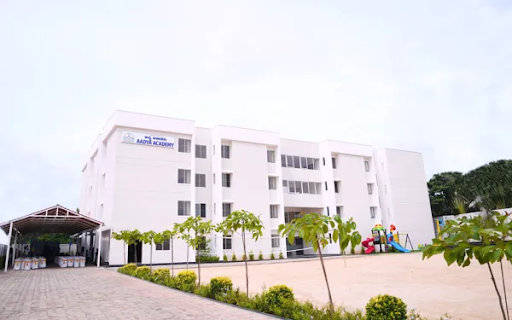
Located on Hennur-Bagalur Main Road in Kannuru, North Bangalore, Aadya Academy – The World School (AWTS) represents the vision of founders Mr Anil Kumar and Mrs Sowmya Anil Kumar. Since its establishment, this ICSE school has committed to making learning a continuous journey of exploration and discovery for students from Kindergarten to Grade 8.
What sets AWTS apart is its comprehensive club system. Every student must participate in at least one of the 15+ specialised clubs spanning academic, performance, and awareness categories. The Shakespeare English Club nurtures literary talent. The Aryabhatta Math Club transforms numbers from intimidating to exciting. The Young Entrepreneurs Club introduces business thinking to eighth-graders.
Performance clubs like Boogie Woogie for kindergarteners and Fine Arts Club for older students provide creative outlets. The Robotics Club introduces artificial intelligence and coding. The Community Service Club takes students beyond campus to understand real-world challenges. This mandatory participation ensures no child's talent remains undiscovered.
AWTS backs its educational philosophy with exceptional infrastructure. Seven specialised labs—Physics, Chemistry, Biology, Computer, Math, Language, and Robotics & AI—provide hands-on learning spaces. The unique "Books-on-Wheels" program brings the library to classrooms and outdoor spaces, making reading accessible and enjoyable.
For more information on this and other similar schools in the area, check out this list of the best schools in Bangalore.








 as a preferred source on