







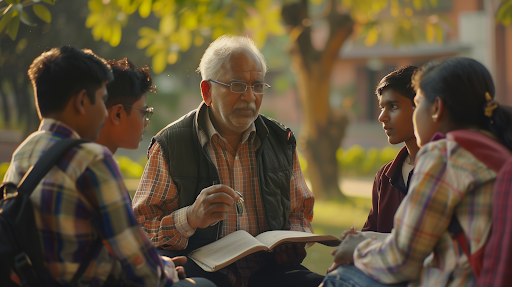
In an era when globalisation connects classrooms across many continents, the issue of cultural identity in education is more pressing than ever. How can we get pupils ready for a world that is connected while still keeping them linked to their culture? The answer is Indian culture-based education, which combines traditional values, morals, and wisdom with modern ways of learning.
One of the best schools in Pune, Rasiklal M. Dhariwal International School (RMDIS) in Pimpri-Chinchwad, Pune, is an example of this balanced concept. Students there learn to be global citizens while still keeping their cultural roots. In this article, we will talk about how cultural education affects character, how traditional values can be combined with modern talents, and how holistic development can help people become well-rounded.
Also Read | The Dynamic Club Culture at GGHS
Understanding Indian Culture-Based Education in Contemporary Times
Culturally based education is more than just textbooks and tests. It includes passing on values like ethics, social responsibility, and appreciation for diversity, which have been important to Indian culture for thousands of years. Let's look at what this means for students today.
The Philosophy Behind Cultural Integration
Traditional Indian education stressed holistic growth, which meant that learning wasn't just about being smarter; it also included moral, emotional, and spiritual growth. This wasn't about memorising things by heart; it was about grasping the underlying implications of life.
Modern cultural education takes these old ideas and makes them work in today's schools. Students learn to respect their elders, be kind to others, and be responsible for society—universal values. When people learn about different languages, religions, and cultures, they learn to embrace differences instead of becoming afraid of them.
Benefits of Cultural Grounding in Education
Students who have a strong cultural background have a better idea of who they are. They know where they came from, which is strange since it makes them more open to learning about various cultures. Studies indicate that students with a cultural foundation demonstrate enhanced ethical decision-making and social awareness.
Being aware of the environment, doing community work, and being a good citizen become natural parts of their value system. These aren't just ideas; they're real values that affect how we act and what we choose to do every day.
Bridging Traditional Values with 21st Century Skills
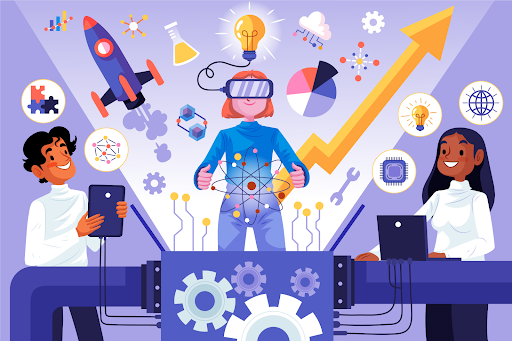
Current teachers don't have to choose between teaching about different cultures and teaching kids how to use current technology. They have to find a way to do both at the same time. Students today need to know how to code and be kind, as well as how to use technology and learn from the past.
The Modern Learner's Needs
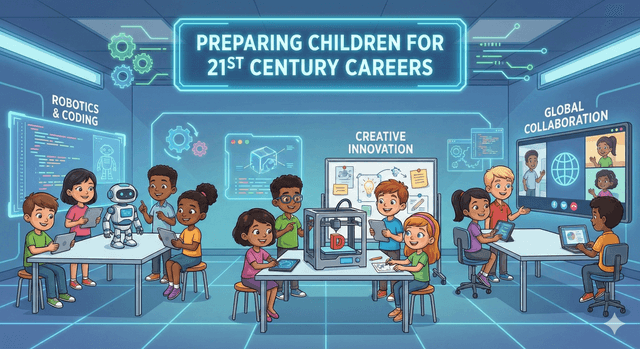
Critical thinking, working together, talking to each other, and being creative are all important skills for the 21st century. These abilities get pupils ready for jobs that don't exist now and problems we haven't thought of yet. But without a strong moral base, these skills don't have a clear purpose.
Being conscious of global citizenship involves knowing how you fit into a bigger picture. It's about understanding that choices affect people and that success means helping others. When guided by values, technology becomes a way to connect with others instead of a way to be alone.
Parent Involvement in Cultural Education
Parents are the first people to teach their kids about cultural values. When schools include families in their children's education, kids get the same messages about ethics, behaviour, and responsibility. This connection between school and home produces a helpful environment.
Parents can keep track of their child's growth and help them learn by meeting with them once a month. They tell stories, share traditions, and talk about things that textbooks can't. This indirect instruction is very helpful in making well-adjusted people.
Holistic Development Through Cultural and Co-Curricular Activities
Just doing well in school isn't enough to get pupils ready for the challenges of life. Real education covers all the areas where cultural activities shine: physical health, emotional intelligence, creative expression, and social skills.
Beyond Academic Excellence
Co-curricular activities based on tradition provide special benefits for growth. Classical dance teaches how to be disciplined, graceful, and communicate stories. Learning to play the tabla or sing helps you acquire patience, rhythm, and a respect for art history. These aren't just fun things to do; they're ways to create character.
Yoga and meditation, which come from India, are now popular all over the world. They help you focus, lower tension, and be more aware of your surroundings. Yoga helps students become more aware of their bodies and learn how to control their emotions, which are skills that will help them for the rest of their lives. Sports activities add to these by teaching teamwork, resilience, and how to compete healthily.
Innovative Programs for Complete Development
Schools that look to the future build programs that combine old and new ideas. National integration programs provide children a personal look at India's variety, which helps them feel proud and comprehend it better. Self-dependency programs provide useful life skills that are often not taught in regular classes.
Civic responsibility and traffic etiquette initiatives show how cultural values affect how people act every day. Students learn that following traffic regulations is a way to show respect for other people's safety, which is a very cultural idea. At the same time, robotics and technology programs make sure that pupils can compete in a digital world.
Creating Multi-Cultural Learning Environments
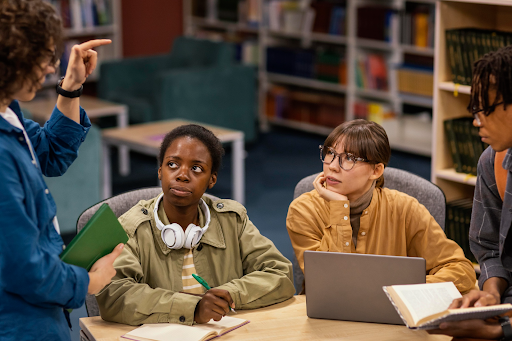
Real cultural education doesn't keep people apart; it helps them appreciate the beautiful fabric of mankind. The best global citizens are those who go to schools that celebrate several cultures while keeping strong ties to their own.
Embracing Diversity While Maintaining Identity
Learning about other religions, languages, and cultures doesn't weaken your own; it helps you comprehend them better. Students who engage with many viewpoints cultivate empathy and adaptability. They learn that there might be more than one truth and that differences should be respected.
In this time of climate change, being aware of the environment is more important than ever. It is a key part of Indian philosophy. Students who learn to respect nature through cultural traditions become advocates for sustainability. They know that taking care of the environment isn't merely a scientific duty; it's a dharma.
Check Out | Embracing Multiculturism in Education
Rasiklal M. Dhariwal International School: Nurturing Global Citizens Through Indian Cultural Values
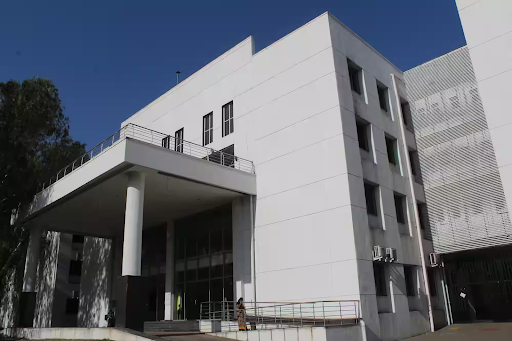
Rasiklal M. Dhariwal International School (RMDIS) is located on a large 6-acre campus in Pimpri Chinchwad, Pune. It is a great example of how traditional education and modern teaching methods can work together. The school is part of the Central Board of Secondary Education and teaches in English. It blends strict academics with learning based on values.
The school's goal is to make responsible global citizens in the 21st century by providing a multicultural learning environment. This isn't just talk; it's a part of everything that happens at school, from how the curriculum is designed to how parents may get involved.
One of the best CBSE schools in Pune, RMDIS, focuses on Indian culture-based education by having parents directly involved, since families are very important for passing on values. The school's infrastructure supports this aim with a state-of-the-art library, a fully stocked robotics lab, an English language lab, a swimming pool, and a skating rink in its more than 1 lakh square feet of play area.
The school's creative programs show that it cares about the whole person. The School Tak News Channel teaches students how to communicate in real life, and the Traffic Etiquettes Program teaches them how to be good citizens. The National Integration Program honours India's many cultures, and the Self-Dependency Program gets pupils ready for problems they will face in the real world.
Co-curricular activities mix old and new ideas in a way that works well. Students can take traditional dance and tabla classes in addition to skating and karate. Yoga classes are good for your body and mind, and water play activities make learning fun. Special remedial classes meet the needs of each student, making sure that no child is left behind.
RMDIS helps students in many ways, such as by having parents and teachers meet once a month, offering counselling to parents and children, and providing great medical care. The monitored bus system makes sure that transit is safe, and the green campus promotes environmental principles. Educational trips and tours make learning fun and memorable.
The best thing about Rasiklal M. Dhariwal International School is that it combines Indian cultural values with world-class educational facilities. Your child should be at a place where old and new ideas come together and where they can grow as a person while doing well in school.
For more information on this and other such schools in the area, check out this list of the best schools in Pune.








 as a preferred source on