







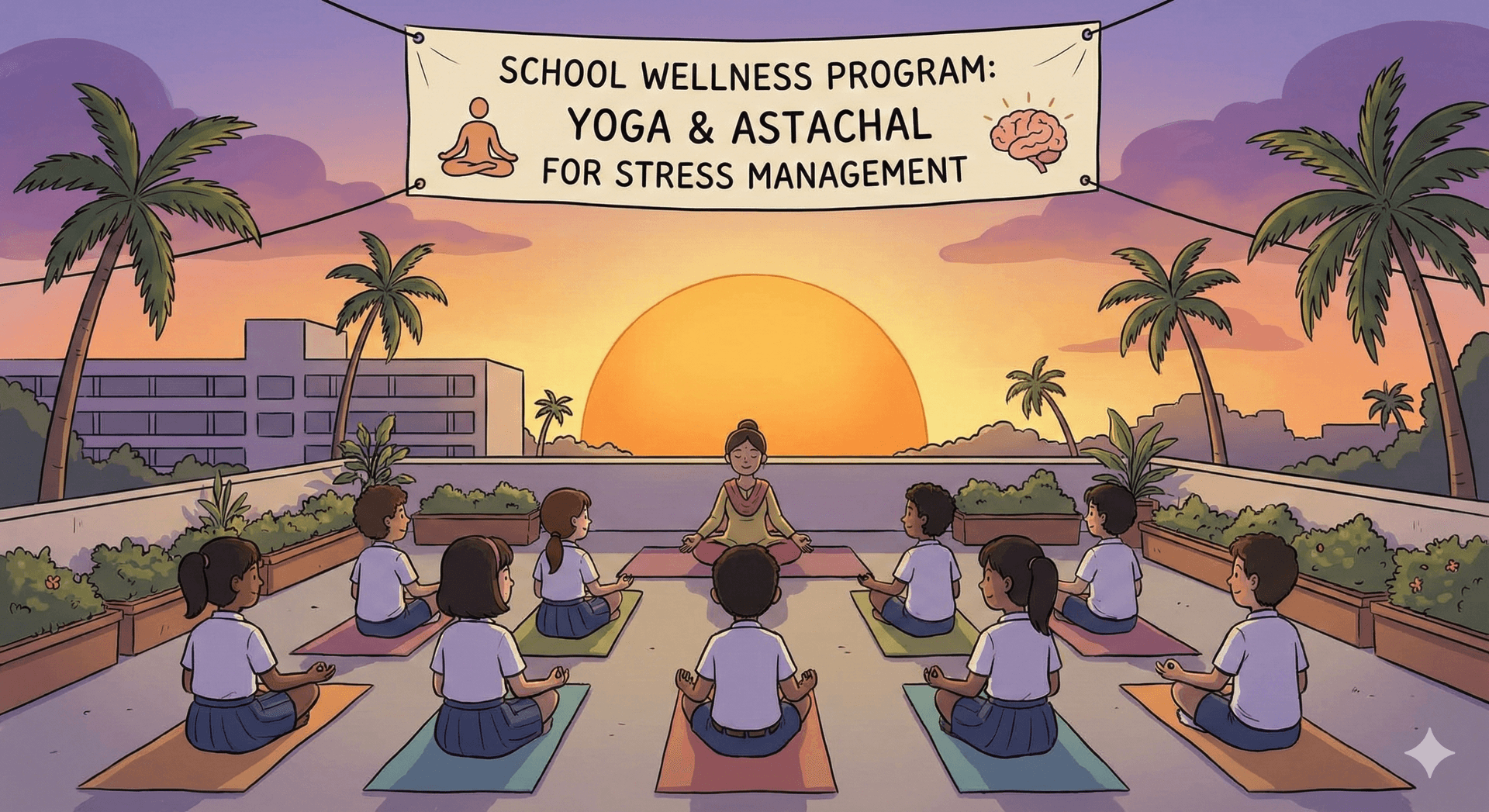

Today's Indian students face a huge problem with attention and emotions, as they fight tough school pressures and the strong pull of screen addiction every day. New facts show that worry and stress grow fast among teens, so schools must act now with more than just regular counseling help.
Some of the good boarding schools in India are now integrating spiritual activities like Yoga and sun-facing meditation into daily classes, and this choice turns into a science-based need to protect young minds. These activities give a clear body-based fix against the stress hormone rush in student life today, as students take back control of their own thoughts.
Also Read: From Skills to Success: Role of Value Added Programs
The Hidden Problem: Facts on Student Mental Health
We can no longer ignore the sad numbers about the mental health of young students all over India. The National Crime Records Bureau reported over 170,000 suicides in 2023, and many of them involved students who felt too much pressure from school and society. The World Health Organization says that almost 14% of India's people face mental health problems, and this heavy load hits young adults hard since their brains still grow.
Parents set very high hopes, and tough tests for college seats mix together to make constant worry that harms a child's power to study. When constant worry hits a student, their body stays ready to fight or run, full of worry chemicals like cortisol. This chemical problem truly makes the prefrontal cortex smaller, the brain part that handles attention, choices, and self-control.
Schools that skip this body fact really try to pour water into a bucket with holes, because worried brains fight hard to hold facts or work out hard ideas. So, schools add spiritual ways not for faith, but to calm the nerves so students can learn well.
The Science of Quiet Time: How Yoga Changes the Brain?
Scientists have clearly proven that yoga and meditation practices create neuroplasticity, which means the brain reorganizes itself and forms new neural connections. Some schools in India have started to help students turn on their parasympathetic nervous system, which people call the rest and digest mode, when they add special time for quiet. This body change slows the heart rate and blood pressure, and it clears the stress chemicals that build up during a tough school day.
Sun-facing meditation, or focused gazing practices called Trataka, directly boost the brain's power to keep attention on one task for a long time. Short videos have made the average person's attention span much shorter in our time, so these exercises work like a brain gym. They teach the mind to fight the urge for nonstop excitement, which students need to learn hard subjects like math or literature well.
A study in Frontiers in Psychology showed that students who do regular mindfulness exercises gain clear improvements in executive function and working memory unlike their friends who skip them.
More Than Schoolwork: Growing Emotional Smarts and Kindness
Schools shape students' character just as much as they create good grades, and spiritual activities play a key role in this growth. Students develop emotional control through regular self-thinking, which means they manage their reactions to strong feelings like anger, jealousy, or frustration. Children learn to watch their thoughts during meditation, so they react less and think more, which cuts down bullying and rough behavior on campus a lot.
These activities also create a strong feeling of shared humanity and closeness among all students. Students sit together quietly, which makes everyone equal and lets them connect as basic humans. This common openness grows empathy in them, a vital skill for future leaders who must handle a divided world. Schools that focus on these important skills through tough, steady spiritual activities train graduates who shine not only in smarts but also in wisdom and caring.
Body Links: Posture, Breath, and the Vagus Nerve
Yoga poses fix the heavy physical harm that modern desk-sitting school causes to a child's growing body. Students sit for hours at desks, often with bad posture that squeezes the chest and limits full belly breathing. Shallow breaths tell the brain everything feels safe, but deep, steady breaths from Yoga wake up the Vagus nerve, which brings quick calm and clear thinking right away.
Schools stop ongoing back pain and tiredness that students see as normal by adding easy moves and breath exercises to daily schedules. Students also learn toughness and determination from holding yoga poses steadily, since they grasp that pain does not last and they can handle it with patience. These body lessons move straight to class, where students sit through hard talks or tough math problems without body or mind upset.
Also Read: Rising Strong: Building Resilience in the Classroom and Beyond
The Astachal Practice at The Scindia School

One of the most powerful examples of blending spiritual practice into school life exists at The Scindia School in Gwalior, one of the good CBSE boarding schools in India. This all-boys boarding school sits on top of the historic Gwalior Fort, and it has kept a special tradition called "Astachal" for almost a century. School leaders do not treat this practice as just an activity, but they make it the spiritual center of the school, which sets it apart from nearly every other school in the country.
How Astachal Started and What It Means?
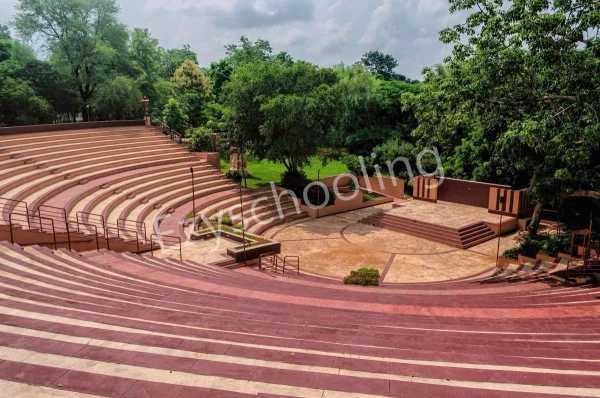
School leaders introduced the idea of Astachal in the 1940s through Principal F.G. Pearce and his coworker K.C. Shukla to form a non-religious space for spirituality. They saw that students in a strict boarding setup needed special time to step away from the outside world and link back to their inner selves. The name "Astachal" means the "hill of the setting sun," which fits the open-air theater where students hold this daily event perfectly.
What Happens Every Day in Astachal?
The practice centers on a statue of Mahatma Gandhi, which students added to the spot in 1948 and artist Rudrappa carved it. Most Gandhi statues show him walking or spinning thread, but this one shows him sitting in a calm, thinking pose. This exact image works as a steady picture reminder for students that real strength flows from inner calm and quiet, not only from outside actions or body power.
What Students Do Each Evening at Astachal?
Every evening when the sun starts to go down over Gwalior city, the whole school group meets at the Astachal open-air theater. Boys put on clean white kurta-pyjamas, an outfit that stands for purity, plainness, and a shift from the day's sports or study clothes full of rivalry. They sit as one group in full silence, they watch the sun drop below the skyline, and city noises from below slowly disappear.
How Astachal Shapes Student Character Over Time?
This time of quiet stays under strict rules, so students can think over the day's events, like wins on the sports ground or letdowns in class. It shows them that their own value does not depend on daily results but rests in something deeper and lasting. The only noises during this time come from the fort's natural surroundings and maybe a short music piece without religion or a reading from wise writings.
Lasting Effects of Astachal on Student Character
For Scindia School students, Astachal turns into a lifetime guide that helps them handle grown-up life's challenges long after they leave school. Former students often name this daily time with quiet and nature as the biggest change in their school years, more than any book or test. It plants in them a steady habit of looking inside themselves, so they do not just float through life but live it with purpose and clear self-knowledge.
Astachal's Place in Daily School Life
The school puts this practice right in the middle of each day's plan, and that choice sends a strong signal that care for the spirit matters as much as school marks. Boys learn to feel at ease alone with themselves, a skill that grows rare in a world full of nonstop online sounds and praise from others. This custom shows that school spiritual habits do not need strict beliefs or religion to shape fine character in a deep way.
Conclusion
Indian schools take a major step toward solving the mental health crisis among young people when they add spiritual practices like Yoga and meditation. Evidence shows clearly that these practices boost brain function, build emotional strength, and improve body health, so they give students tools to handle a world full of high pressure.
The Scindia School's Astachal tradition serves as a bright example of how schools weave such steps into daily student life to shape complete people who stay calm and steady. Indian education must shift away from just chasing marks and adopt these ancient methods for self-care to raise a generation that succeeds but also stays healthy in mind and finds peace.
To learn more about this and other schools nearby, see this list of the top boarding schools in India.
















 as a preferred source on