









Character education isn't about sermons or lectures—it's about creating spaces where values are lived, not just taught. In an age where academic scores dominate conversations around education, the question remains: are we raising high achievers or well-rounded human beings? The answer lies in schools that intentionally design experiences to shape character alongside intellect. The Scindia School in Gwalior stands as a testament to this philosophy, where every sunset, every stone corridor, and every shared moment becomes a lesson in becoming. In this article, we explore how environment, ritual, heritage, and intentional practices converge to build character in young minds.
Also Read | What makes a modern school truly Holistic?
The Architecture of Character: Why Environment Matters
The spaces we inhabit shape the people we become. Schools are more than buildings with classrooms—they're ecosystems where learning happens in corridors, playgrounds, and quiet corners. When students walk past centuries-old temples or sit under ancient trees, they absorb lessons that no textbook can offer.
Beyond Four Walls
Traditional classrooms have their place, but character develops in the gaps between classes. It's in the open field where a child learns teamwork, the library corner where curiosity blooms, and the dining hall where respect for community is practised daily.
Natural surroundings—mountains, valleys, open skies—offer perspective. They remind young minds that they're part of something larger, fostering humility and wonder simultaneously.
Heritage as a Living Classroom
When students study history within historical walls, the subject transcends dates and events. Fort ramparts that witnessed battles, temples carved by sixth-century artisans—these aren't museum pieces but daily companions in the learning journey.
Exposure to heritage architecture cultivates aesthetic sensibility. Students begin noticing details: the curve of an arch, the symmetry in design, the stories etched in stone. This awareness translates into a deeper appreciation for culture and craftsmanship.
Modern Infrastructure Meets Timeless Values
The challenge for heritage schools lies in preservation while progressing. How do you install air-conditioned classrooms without disturbing century-old structures? How do you build Olympic-size pools while respecting historical landscapes?
This balance itself becomes a lesson—honouring the past while embracing the future. Students witness firsthand that progress doesn't mean erasure; it means thoughtful integration.
Rituals and Routines: The Quiet Architects of Discipline

Adolescence is chaotic. Hormones surge, emotions fluctuate, and identities form. In this turbulence, rituals provide anchor points—predictable moments that create stability without rigidity.
The Power of Daily Rhythms
Morning assemblies aren't just attendance checks. They're communal gatherings that signal: you belong here, your presence matters. Evening gatherings offer closure, a collective exhale before rest.
Sports schedules teach time management organically. When every student plays two hours daily, physical fitness becomes a habit, not an obligation. The body learns discipline that the mind follows.
Communal Living as Character Laboratory
Boarding school life is a society in microcosm. Students navigate roommate conflicts, share limited resources, negotiate preferences, and celebrate together. These aren't disruptions to education—they are education.
- Learning to coexist with diverse personalities builds patience and adaptability
- Sharing dining spaces teaches basic courtesy and gratitude for food
- Managing personal belongings without parental supervision develops responsibility
- Resolving disputes without running home cultivates problem-solving skills
Structure Without Suffocation
The best routines feel natural, not imposed. When rituals carry meaning—like gathering at sunset for reflection—students participate willingly. Compliance transforms into commitment, rules into values.
Routine creates mental space. When basic schedules are predictable, cognitive resources free up for creativity, exploration, and deeper thinking. Paradoxically, structure enables freedom.
Spiritual Grounding in Secular Spaces
Modern education often divorces intellect from introspection. We teach students to think but not to reflect. The result? Academically brilliant individuals who lack self-awareness or emotional regulation.
Mindfulness Beyond Religion
Spirituality doesn't require a religious framework. It's the practice of pausing, observing one's thoughts, and connecting with something beyond immediate desires. Five minutes of silence can recalibrate a restless mind.
Schools increasingly recognise that meditation isn't mystical—it's practical. Research shows mindfulness practices improve focus, reduce anxiety, and enhance emotional intelligence. These aren't spiritual benefits; they're cognitive ones.
Silence as Pedagogy
In a world of constant noise—digital notifications, academic pressure, social dynamics—silence becomes revolutionary. When students experience regular quiet moments, they develop inner dialogue, the foundation of self-awareness.
Reflection time teaches students to process experiences rather than merely accumulate them. A difficult math test, a sports defeat, a friendship conflict—all need processing. Without reflection, experiences pile up undigested.
Connection with Nature
Evening gatherings overlooking valleys, morning exercises with mountain views, treks through forests—nature isn't scenery; it's therapy. Natural spaces reduce stress hormones and increase feelings of connectedness.
Students who regularly experience natural beauty develop environmental consciousness organically. They protect what they've learned to love, making conservation personal rather than preachy.
Co-curricular Excellence: Beyond the Classroom Walls
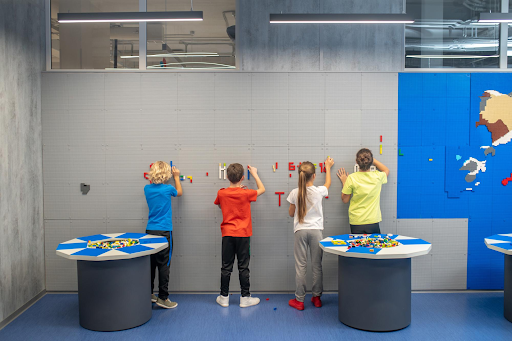
The term "extra-curricular" diminishes their importance. These activities aren't extras—they're essentials for complete human development. While academics train the intellect, co-curricular pursuits train character.
Arts and Aesthetic Education
Music, painting, drama—these aren't hobbies for the talented few. They're languages everyone should learn. Arts education develops pattern recognition, emotional expression, and cultural literacy simultaneously.
Students who engage with the arts learn to see the world differently. A sunset becomes a study in colours, a story becomes a lesson in human nature, and a sculpture teaches about form and space.
Sports as Life Metaphor
Athletic fields are character laboratories. Here, students encounter victory and defeat, teamwork and individual excellence, practice and performance. Every match mirrors life's larger challenges.
Traditional Indian games like Kho-kho and Kabaddi connect students to cultural roots while teaching agility and strategy. These games, often overshadowed by cricket and football, carry wisdom in their structures.
Service Learning and Social Consciousness
Community service shouldn't be resume decoration. When done authentically, it shatters privilege bubbles and builds empathy. Students who tutor underprivileged children or participate in conservation projects develop social awareness.
Service teaches a crucial lesson: privilege brings responsibility. Those who've received a good education, comfortable homes, and opportunities must contribute to communities beyond their own.
Heritage Conservation as a Pedagogical Tool
Few schools can claim historical monuments as their campus. This unique advantage transforms daily life into historical immersion, where every walk becomes a journey through time.
Living History Lessons
When students attend classes in buildings where Rani of Jhansi once fought, history stops being abstract. The past becomes tangible, relevant, and inspiring. Students touch stones that witnessed colonial battles and pre-colonial glory.
This proximity to heritage cultivates cultural pride—not the shallow kind that dismisses other cultures, but the grounded kind that appreciates one's roots while remaining open to the world.
Architectural Literacy
Students in heritage campuses develop unconscious architectural education. They begin understanding proportions, symmetry, durability, and design philosophy simply through daily exposure.
This literacy extends beyond appreciation. When students see modern additions thoughtfully integrated with old structures, they learn that innovation respects tradition rather than replaces it.
Conservation Ethics
Schools located in heritage sites face unique responsibilities. Students participating in or witnessing conservation efforts learn crucial lessons about preservation, sustainability, and responsibility toward inherited treasures.
Every renovation project becomes a case study in balancing progress with preservation. Should old houses be demolished for modern ones? How do you add amenities without destroying character? These questions teach nuanced thinking.
Check Out | Where Play Meets Learning
The Scindia School, Gwalior: Where Sunsets Forge Character
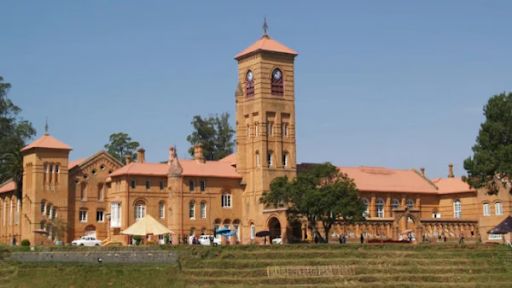
Established in 1897 by Maharaja Madhavrao Scindia I, The Scindia School sits atop the historic Gwalior Fort, spanning over 160 acres. Affiliated with CBSE and offering English-medium education, the school has spent 125+ years perfecting the art of character education.
The school's defining feature is Astachal—an amphitheatre where students gather every evening at sunset. Dressed in white kurta-pyjamas, they experience five minutes of silence, music, and readings from various traditions. Created in 1943 as a common spiritual space, Astachal transcends religious boundaries while offering spiritual grounding. The statue of Mahatma Gandhi, as the eternal seeker, overlooks this gathering, symbolising the quest for truth and self-knowledge.
Infrastructure investments reflect the school's commitment to balanced development. The new Olympic-size infinity pool, completed in July 2024, offers swimmers the illusion of water extending to the horizon. Renovated junior houses like Jeevaji and Mahadji provide spacious, well-lit spaces. Four new staff bungalows and the Eikyam centre—representing unity and oneness—showcase modern construction respecting historical context.
The school's approach to character building is systematic yet organic. Every student learns swimming, participates in adventure sports like rock climbing and rappelling on fort rocks, and engages with traditional games. The Social Service League and Nanhi Kali initiatives ensure social consciousness isn't theoretical. Inclusive education, supported by behaviour counselling and specialised programs, ensures no child is left behind.
With 14 full-fledged playing fields, students play an average of two hours daily. The early-rise fitness program combining exercises and yoga keeps bodies healthy and minds alert. The F.G. Pearce Library's 10,000+ books remain accessible even on Sundays, encouraging intellectual curiosity beyond the curriculum.
The Scindia School doesn't just educate students—it shapes Scindians. These are individuals who carry forward the Indian ethos while excelling globally, who value silence as much as speech, who understand that true education builds character first and credentials second. In an era of assembly-line education, this school remains one step ahead, as it has been since 1897.
Discover how heritage, ritual, and intentional practices can shape your child's character. Explore The Scindia School's unique approach to holistic education and become part of a legacy that measures success not just in grades, but in the human beings it creates.
For more information on this and other similar Boarding schools, please click on the link below















 as a preferred source on