






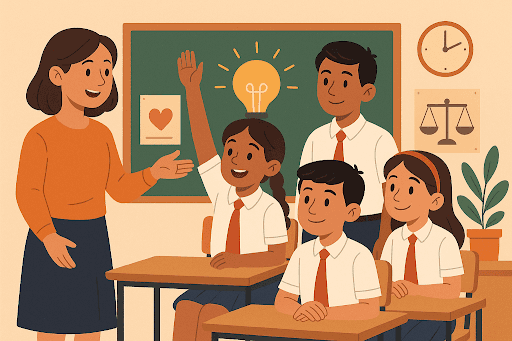

Have you ever noticed how a child’s real strength is not just in their grades, but in how they treat others, make decisions, or stand by what is right, even when it’s difficult? These qualities don’t develop overnight. They emerge when schools intentionally nurture values, ethics, and emotional maturity alongside academics.
Parents today understand that education must go beyond textbooks. Children need guidance that helps them grow into responsible, empathetic, and thoughtful individuals, young people who can lead with integrity in a world that often tests their principles.
This article explores why character development is a vital part of modern schooling, how ethical awareness shapes a child’s long-term success, and how St. Teresa School, Greater Noida West, one of the best schools in Greater Noida West, weaves integrity, responsibility, empathy, and social awareness into everyday learning.
Also Read | From Mindset to Mastery: The Role of Optimism in Education at St. Teresa School, Sector 10, Greater Noida
Why Character Development & Ethical Awareness Matter in Today’s Schools
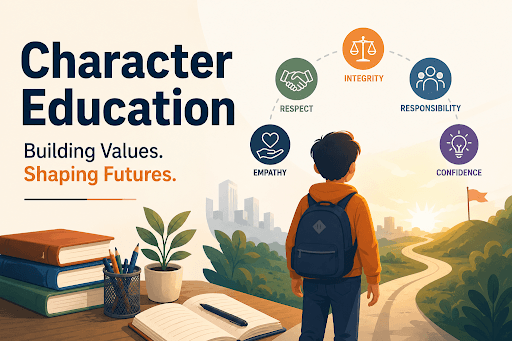
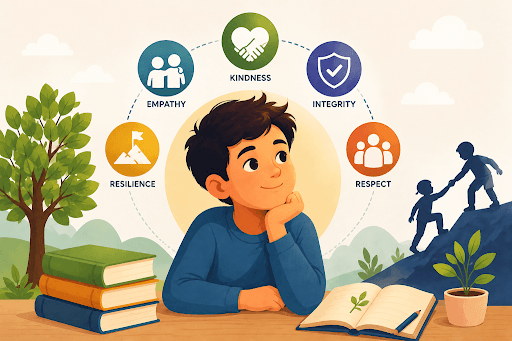
Character development is not an “extra” subject, it is the foundation that shapes the kind of person a child becomes. In a world that is constantly changing, where students are exposed to new ideas, influences, and pressures every day, qualities like moral clarity, empathy, and emotional intelligence are just as crucial as academic scores. Schools that focus on ethics help children grow with purpose, integrity, and inner strength.
- Builds emotional strength: When students are taught values like patience, resilience, honesty, and kindness, they learn how to navigate challenges calmly and thoughtfully. They understand how their actions affect others, and they develop the emotional balance needed to face setbacks, conflicts, and difficult choices without losing confidence.
- Develops responsible citizens: Ethical awareness helps children become aware of the world beyond themselves. They begin to respect different viewpoints, contribute positively to their surroundings, and understand the importance of fairness, cooperation, and community service. These early habits shape them into adults who care about society and act with responsibility.
- Improves decision-making: Through classroom conversations, real-life examples, and structured activities, students learn to think through dilemmas instead of reacting impulsively. They learn to ask themselves, “Is this the right thing to do?” This habit of reflection helps them make mature, thoughtful decisions, in school and later in life.
- Shapes confident personalities: When children understand their own values, they feel grounded and secure. They know what they stand for and what is important to them. This inner clarity boosts self-confidence, helps them form healthy relationships, and gives them the courage to speak up for what is right.
How Schools Foster Values & Ethics in Daily Learning
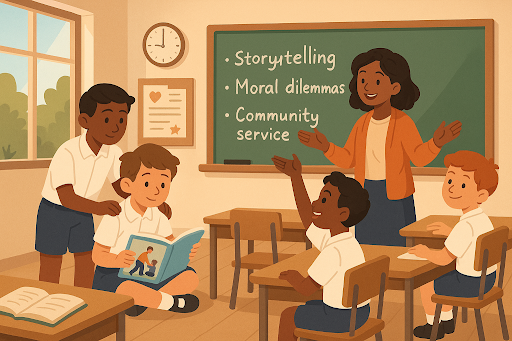
Character formation isn’t something that can be taught through a single chapter or an annual event. It grows every day, through meaningful experiences, thoughtful conversations, and the influence of adults who lead by example. Schools that prioritise values-based education create environments where students naturally absorb lessons about kindness, responsibility, and integrity. They do this through:
- Storytelling and values-based narratives: Children connect deeply with stories. When teachers use tales of honesty, courage, empathy, or perseverance, students begin to see ethical ideas in action. These narratives make values relatable and help young minds understand emotions, consequences, and the importance of choosing the right path.
- Classroom discussions on moral dilemmas: Real learning happens when students get the chance to question, debate, and reflect. By discussing everyday dilemmas, like fairness, honesty, peer pressure, or helping others, students learn to think critically, respect different viewpoints, and evaluate situations with both logic and empathy.
- Community service opportunities: Values become real when students step outside the classroom and interact with the world. Activities like charity drives, visits to old-age homes, environmental clean-ups, or helping those in need allow children to practice compassion, understand social issues, and develop a sense of responsibility towards their community.
- Peer mentoring and collaborative learning: When older students guide younger ones, they naturally develop leadership, patience, and accountability. Similarly, working in groups teaches children teamwork, respect, and the ability to appreciate diverse strengths, skills that build ethical behaviour in the long run.
- Faculty role-modelling: Children learn more from what adults do than from what they say. Teachers who consistently demonstrate fairness, kindness, honesty, and respect create a culture where good behaviour feels natural. Their everyday actions, how they speak, resolve conflicts, or treat others, serve as living examples for students to follow.
Encouraging Self-Reflection & Responsible Leadership
Strong character develops when students learn to look inward, understand themselves, and recognise how their thoughts influence their actions. Schools play a crucial role in helping children build this inner compass by creating opportunities for reflection, compassion, and responsible leadership. They strengthen this dimension by:
- Promoting self-reflection journals and activities: When students write about their experiences, emotions, and decisions, they begin to develop self-awareness. Reflection helps them understand what they did well, where they could improve, and how their choices affect others. Over time, this habit nurtures emotional maturity and a deeper understanding of their own values.
- Teaching leadership with compassion: True leadership isn’t about being the loudest voice in the room, it is about empathy, fairness, and service. Schools teach students that influence comes from supporting others, leading by example, and making thoughtful choices that benefit the team. This approach helps children grow into leaders who uplift others, not overpower them.
- Supporting responsible decision-making: Through scenario-based activities, real-life examples, group projects, and guided discussions, students practice evaluating situations from multiple perspectives. They learn to weigh consequences, consider others’ feelings, and choose actions that reflect integrity and responsibility.
These practices help children develop clarity, confidence, and kindness, qualities that define responsible leaders. By learning to understand themselves and act with empathy, students become the kind of individuals who can positively influence others and contribute meaningfully to the world around them.
Check Out | 3 Hours a Day: Less Time, More Growth with Flexible Learning
St. Teresa School, Greater Noida West: Building Values for Life
St. Teresa School, Greater Noida West, one of the best CBSE schools in Greater Noida West, takes immense pride in shaping students who are not only academically capable but also morally grounded and emotionally intelligent. The school’s values-driven environment ensures that integrity, empathy, and responsibility are a part of everyday learning, not just occasional lessons.

Highlights of St. Teresa School’s Character Development Approach
- Values-integrated curriculum that blends moral education with academic subjects, ensuring students don’t just learn facts but also understand the importance of honesty, responsibility, and empathy. Ethical principles are woven into lessons, activities, and interactions so students grow academically and emotionally.
- Storytelling sessions and value circles where children explore kindness, honesty, courage, and respect through stories, conversations, and guided reflections. These sessions create safe spaces where students can openly share their thoughts, understand different emotions, and connect values to real-life situations.
- Ethical dilemma activities that push students to think deeply about right and wrong. Through scenario-based discussions, role-play, and case studies, children learn to reason logically, weigh consequences, and make responsible decisions, skills that stay with them throughout life.
- Community outreach and service initiatives that inspire students to look beyond themselves. Whether it’s helping the underprivileged, participating in environmental drives, or supporting local causes, these activities nurture compassion, humility, and a sense of social responsibility from a young age.
- Peer mentoring & leadership programmes that encourage older students to guide younger ones. This not only builds confidence and communication skills but also instills teamwork, compassion, and a strong sense of accountability. Students learn that leadership is about supporting others, not just taking charge.
- Faculty-led role modeling, where teachers demonstrate ethical behaviour through everyday actions, fairness in the classroom, respectful communication, patience, and kindness. Students learn most powerfully by observing the adults around them, and at St. Teresa School, teachers intentionally serve as positive examples for children to follow.
At St. Teresa School, character development is not a separate activity, it is woven into the fabric of school life. Students learn to act with integrity, communicate with empathy, and make decisions that reflect strong personal values. In doing so, the school helps young learners grow into confident, responsible individuals who contribute meaningfully to society.
For more information on this and other similar schools in the area, check out this list of the best schools in Greater Noida West.










 as a preferred source on