









Introduction

We live on a planet sustained by a powerful star, and human life thrives because we learned to take care of that gift. Education is where children first encounter the values that shape character, choices, and leadership. Schools must therefore do more than teach facts; they must cultivate the inner strengths that enable students to act ethically, thoughtfully, and with purpose.
It is therefore crucial that the place where a child begins to understand the world reflects the very values it wishes its students to follow. The sanctity of this place deserves to be preserved, as it is not only where learners bring their questions and challenges but also the place that shapes the future versions of themselves, thus making them the ones who will go out into the world and change it for the better.
In such a time, it becomes very important for our schools to instill the values that humanity needs for a better world that can not only nurture future leaders who can guide civilization towards a brighter future. However, for schools to achieve that, they must understand what true growth really means.
And that is why one of the best schools in Greater Noida - The Millennium School, plays an overarching role in achieving this through its unique framework that guides students in the right direction. Based on this belief, we aim through this article to establish what true growth means and from where it starts to where it leads.
Also Read: Is Millennium School a good school?
Values Create Young Leaders

A very important part of being a leader is the ability to inspire through actions and values that one demonstrates, thereby leading by example. Thus, a leader needs to be a person of strong values, because values themselves shape the style of leadership:
- Provide a moral compass: Values serve as guiding principles that influence a leader's choices and decision-making.
- Drive behaviour and consistency: With a code to live by, a leader’s actions align with their values, resulting in consistent and credible conduct, which in turn builds trust among peers.
- Enhance confidence and purpose: Having a strong set of values can increase a leader's self-confidence and provide a sense of purpose, helping them navigate complex situations with clarity.
- Foster an authentic culture: A values-based leader creates an environment where individuals feel connected to a shared mission, leading to greater loyalty and engagement.
- Motivate and inspire others: Leaders who live their values can inspire their teams to do the same, creating a culture of trust, respect, and high performance.
The saying “Leaders are made, not born” clearly suggests that leadership is a cultivated skill that is developed through learning, experience, training, and consistent effort, rather than an innate quality one is born with. Thus, it becomes a huge responsibility for schools to inculcate these values within their learning structure so that future leaders are raised with them.
Continue Reading| The right mix of Creativity and Curriculum leads to Excellence
Building Value – From One to All

When building value, there needs to be an understanding of scale, because schools must identify the values that children need to internalize as they grow. As toddlers develop, one of the biggest emotional and mental milestones they achieve is self-awareness, where they begin forming their own identity. As they grow, this identity evolves into the ultimate leadership quality: global responsibility.
1. Self-Awareness – A True Sign of Personality

Our earliest memory as children may be the first moment we recognized ourselves as individuals. That very understanding forms the foundation of identity for the years to come. Self-awareness involves the practice of reflection and understanding strengths, weaknesses, emotions, biases, and values. It gives actions a moral compass and encourages purpose-driven behavior rather than impulsive reactions. This humility to learn when wrong, combined with confidence to act when right, defines the foundation of great leadership.
2. Compassion – Understanding Others
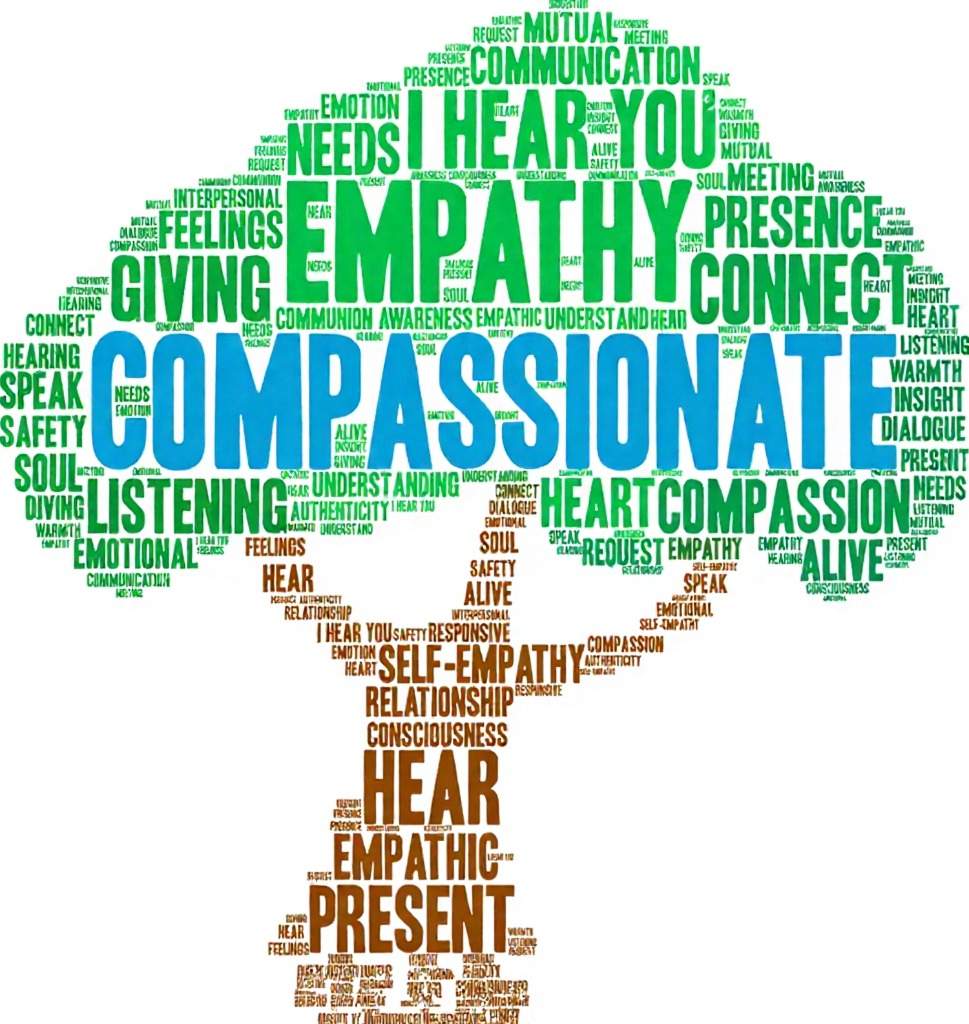
A leader must be empathetic enough to truly understand others. While self-awareness focuses inward, compassion focuses outward. Compassion is not merely sympathy but a genuine desire to understand others’ experiences, struggles, and beliefs, and a willingness to alleviate their suffering. Compassionate leaders see the humanity in everyone, whether it is their team, their community, or even their adversaries, thus enabling them to resolve conflicts with grace and inspire loyalty through genuine care.
3. Service to Others

When a person understands themselves and others, the next natural step is to express service or giving back. Service becomes the tangible expression of values and empathy. It is not about grand gestures but about the mindset that “with great power comes great responsibility.” For budding leaders, this practice instills resourcefulness, problem-solving, and awareness of their surroundings. It turns abstract concepts into tangible action.
4. Global Responsibility – Expanding the Horizon

In the modern, interconnected world, every action has a ripple effect, and that’s where global responsibility comes in. A responsible leader considers the impact of their decisions not only locally but also globally. They are culturally competent, globally informed, and deeply aware of the well-being of others. Such leaders see themselves as stewards of people, the planet, and the future striving to create a just, sustainable, and equitable world for all.
Proving Capable – Proving Competent
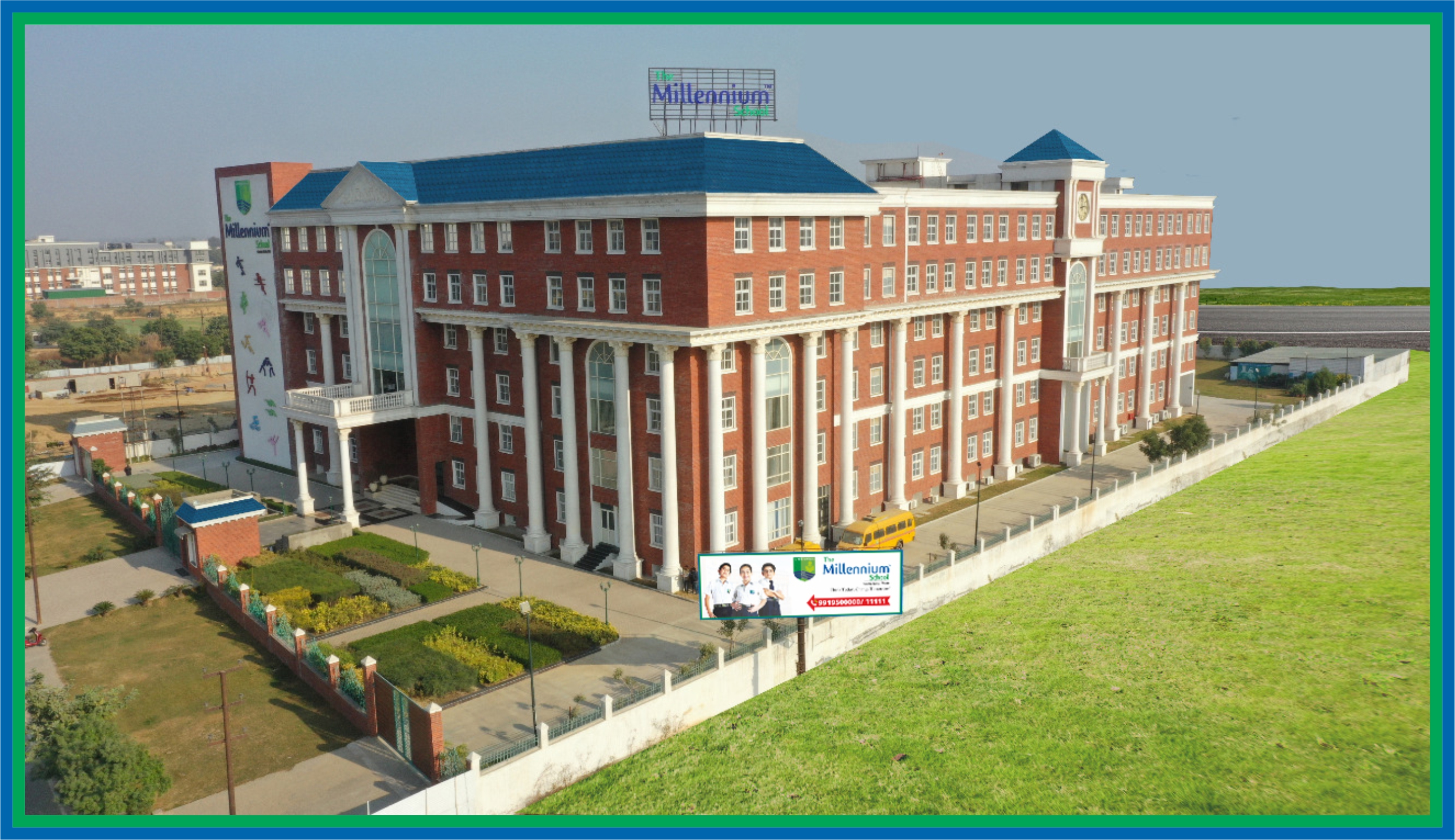
As discussed above, these four pillars — self-awareness, compassion, service, and global responsibility form the foundation of true leadership. And it is this philosophy that The Millennium School actively builds into its system.
With its unique educational framework, the school integrates these values into daily learning. Through mindfulness, journaling, and project-based learning, students are encouraged to reflect on their thoughts and articulate their understanding, thereby developing a strong sense of self-assessment.
The school encourages traditional practices like hyper-competition and the “every-student-for-themselves” mentality. Instead, it fosters collaboration, peer-to-peer mentoring, and social-emotional learning, thus creating an environment where empathy drives growth.
Students identify issues within their community, be it literacy, elder care, or environmental sustainability, and design and execute service projects. They learn project management, teamwork, and the real-world impact of their actions. These activities are not treated as co-curricular but as core learning experiences.
Through Model United Nations, international exchange programs, and partnerships with NGOs, students are encouraged to see themselves as part of a larger global ecosystem. They study world issues not as distant problems, but as challenges they can help solve, which starts with improving their own surroundings.
Conclusion
In a world changing faster than ever, our future generations must excel not only in academics but also in character. The Millennium School exemplifies this balance through its core values that nurture both competence and compassion. It stands as a testament to the belief that the leaders who will shape a better future are those who have mastered both global awareness and inner growth — the true mark of a holistic education.
For more information on this and other similar schools, please click on the link below









 as a preferred source on