








Education stands at the cusp of a remarkable transformation, where traditional classroom methods give way to dynamic, technology-driven approaches. Modern pedagogical practices emphasize experiential learning, digital integration, and personalized education paths that cater to diverse learning styles.
In Gurgaon, Manav Rachna International School (MRIS), one of the best schools in Sector 51, Gurgaon, exemplifies this evolution through innovative teaching methodologies. The school has garnered recognition for its forward-thinking approach to education, implementing cutting-edge practices that prepare students for the challenges of tomorrow.
This article explores various innovative teaching methodologies and their implementation in modern education. Using MRIS Sector 51 as an example, we can see how these approaches create engaging learning environments that prepare students for future success.
Also Read | The Complete Education Experience: What Sets MRIS Sector 51 Gurgaon Apart
The Evolution of Modern Teaching Methods
The educational landscape has undergone significant changes in recent years. While traditional teaching methods focus primarily on rote learning and standardized testing, contemporary approaches emphasize critical thinking, problem-solving, and practical application of knowledge. This shift reflects the changing demands of the global workforce, where adaptability and innovation are valued over mere academic achievement.
Traditional vs Contemporary Approaches
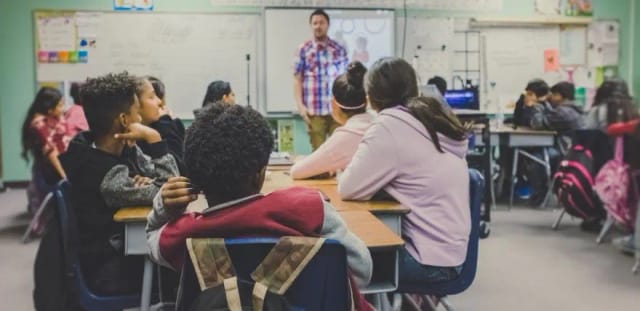
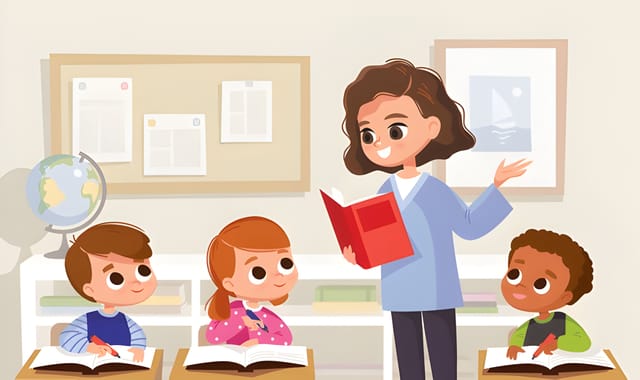
Modern classrooms have moved beyond the conventional teacher-centric model. Today's learning environments encourage active participation, discussion, and collaborative problem-solving.
Students engage in interactive sessions, group projects, and hands-on experiments that make learning more engaging and effective. Teachers serve as facilitators rather than mere instructors, guiding students to discover knowledge through exploration and inquiry.
The Role of Technology in Modern Education
Digital tools have become integral to the learning process. Interactive whiteboards, educational apps, and online resources enhance student engagement and provide immediate feedback.
These tools enable teachers to track student progress more effectively and adapt their teaching strategies accordingly. Technology also allows for more personalized learning experiences, where students can progress at their own pace and focus on areas that need more attention.
Project-Based Learning: A Gateway to Real-World Skills
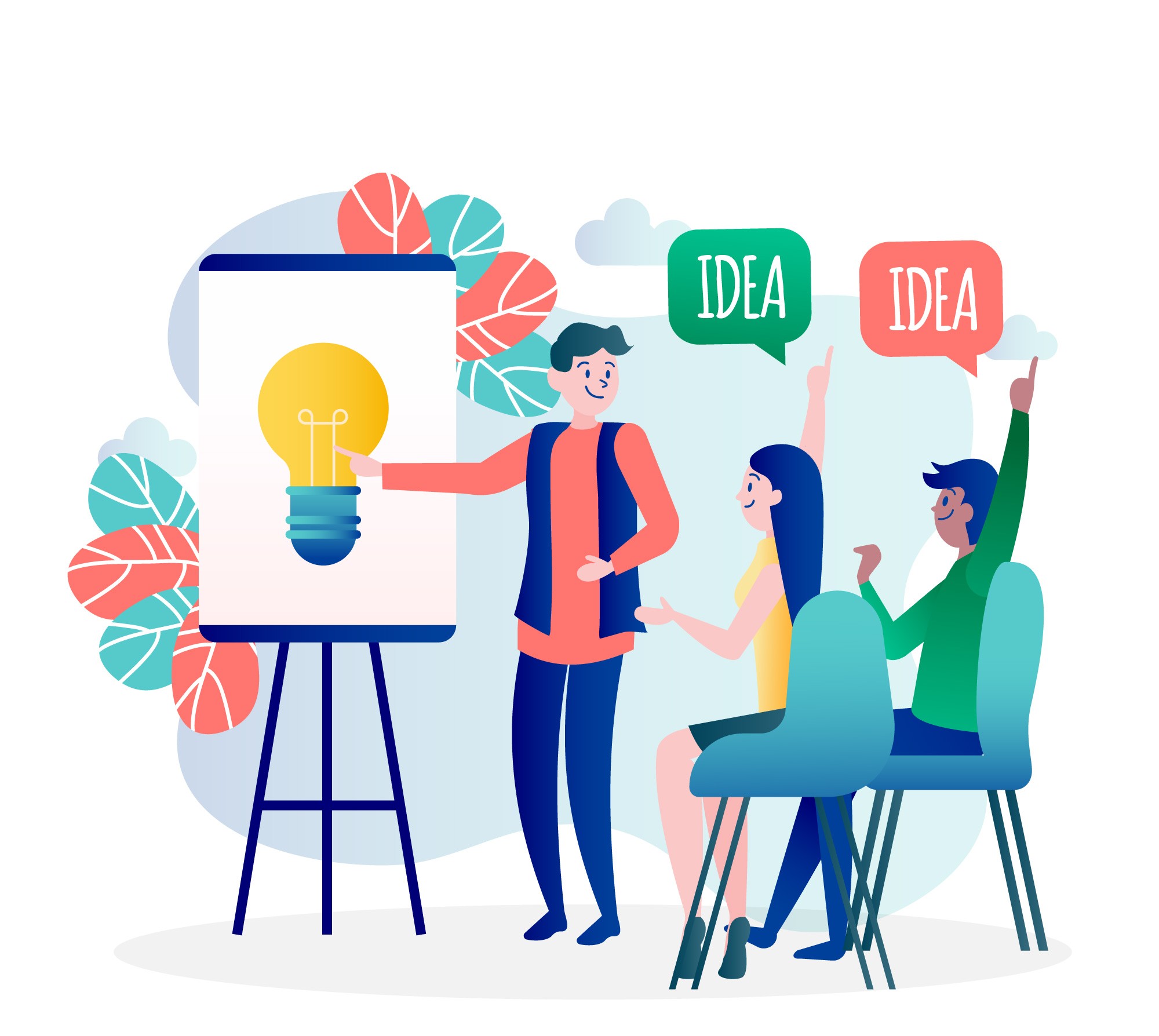
Project-based learning (PBL) has emerged as a powerful tool for developing practical skills and real-world understanding. This approach connects theoretical knowledge with practical applications, helping students understand the relevance of their studies to real-life situations.
Benefits of Hands-on Learning
Through hands-on projects, students develop crucial skills such as:
- Research
- Analysis
- Teamwork
- Presentation abilities
They learn to manage time, allocate resources, and solve complex problems - skills that are invaluable in their future careers. This approach also boosts confidence and creativity as students take ownership of their learning journey.
Integration with Academic Curriculum
Modern schools are finding innovative ways to integrate project-based learning with traditional academic subjects. Science experiments, mathematical modelling, and literary analysis take on new dimensions when approached through project-based methodologies.
Students not only learn the subject matter but also understand its practical applications and relevance to other fields.
Technology Integration in Education
The digital revolution has transformed the way students learn and interact with educational content. Smart classrooms equipped with modern technology create immersive learning environments that capture students' attention and enhance understanding, here’s how:
- Digital Classrooms and Smart Learning: Interactive displays, educational software, and digital resources enable teachers to present complex concepts through visual aids, simulations, and interactive demonstrations. Students can access learning materials anytime, anywhere, making education more flexible and accessible.
- Virtual Reality and Augmented Reality: Virtual and augmented reality technologies are opening new possibilities in education. These tools allow students to explore historical sites, conduct virtual science experiments, and visualize complex mathematical concepts in three dimensions.
- Coding and Robotics Integration: Digital literacy has become essential in today's world. Schools are introducing coding and robotics programs from early grades, helping students develop logical thinking and problem-solving skills.
Ensuring Holistic Development
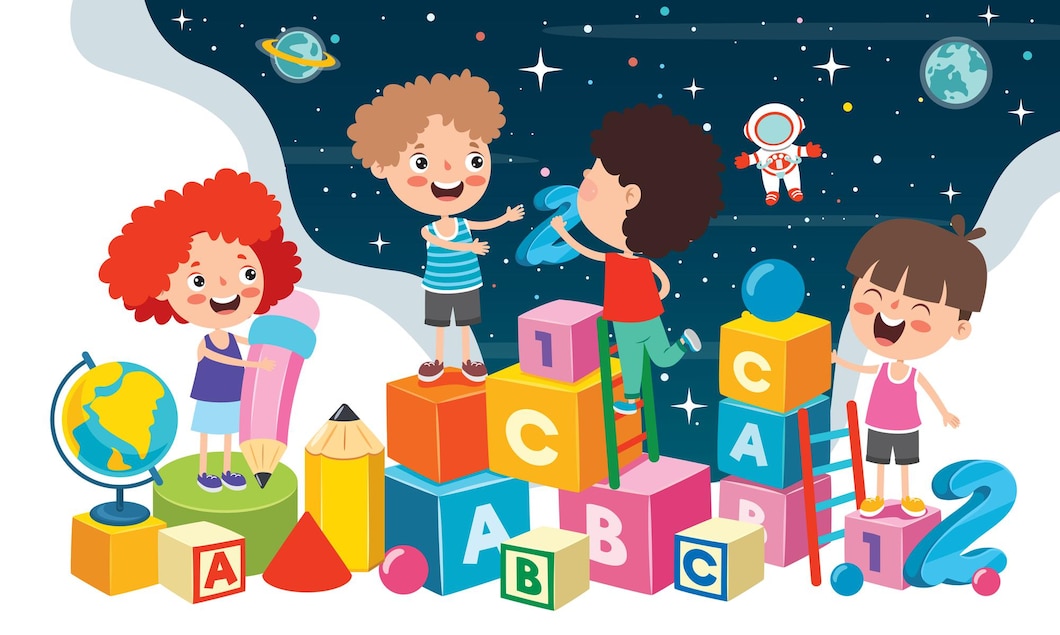
Education today recognizes that intelligence manifests in various forms. Schools are adopting teaching methods that cater to different types of learners, ensuring that every student has the opportunity to excel.
Students learn differently - some are visual learners, others are auditory or kinesthetic learners. Modern teaching approaches incorporate various teaching methods to accommodate these different learning styles.
Personalized learning paths allow students to progress at their own pace and focus on their areas of interest. This approach helps build confidence and maintains motivation as students experience success in their learning journey.
The Power of STEM Education
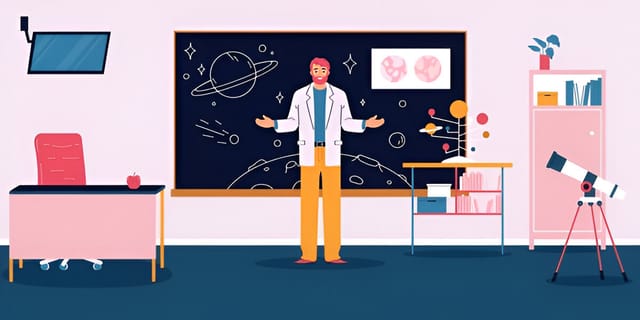
STEM education integrates Science, Technology, Engineering, and Mathematics in a way that connects these disciplines to real-world applications. It encourages students to think like scientists and inventors. Through experiments, design projects, and problem-solving activities, students learn to approach challenges systematically and develop innovative solutions.
STEM education helps students understand how scientific principles apply to everyday situations. From understanding weather patterns to designing efficient solutions for environmental problems, students learn to use their knowledge in practical ways.
Check Out | STEM Learning: Building Future Innovators
Manav Rachna International School, Sector 51, Gurgaon: Pioneering Innovative Education
Established in 2010, MRIS Sector 51, Gurgaon, has emerged as a leading institution in implementing innovative teaching pedagogies. The CBSE-affiliated school spread across 43,560 square feet, maintains an optimal student-teacher ratio of 20:1, ensuring personalized attention for each student.
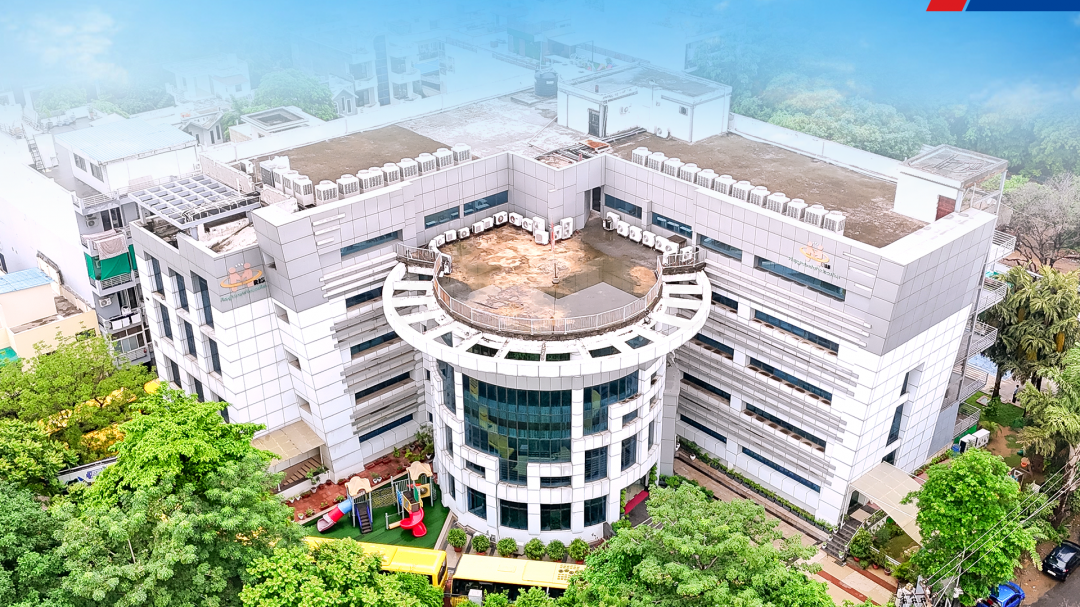
The school's commitment to innovation is evident in its state-of-the-art infrastructure and progressive programs. The Conceptual Learning through Reasoning, Exploration, Skill & Technology (CREST) program exemplifies their approach to modern education. Students benefit from smart classrooms, advanced laboratories, and a dedicated Makershala that promotes hands-on learning.
One of the best CBSE schools in Gurgaon, MRIS Sector 51 has received numerous accolades for its innovative approaches, including being ranked No. 1 for Future Proof Learning Infrastructure by Education Today in 2021. The school's Future Skills & Sustainability program prepares students for tomorrow's challenges while maintaining a strong focus on environmental consciousness.
The institution's success in implementing modern pedagogies is reflected in its comprehensive curriculum that includes Pre-Coding integration from early years, Design Thinking, Electronics, and Artificial Intelligence programs. The school's vision extends beyond academic excellence to nurture well-rounded individuals equipped with 21st-century skills.
For more information on MRIS and other similar schools, check out this list of the best schools in Gurgaon.







 as a preferred source on