









Building a love for maths in children is crucial for a child's academic performance. Abacus and Vedic Maths are two effective ways to improve your child’s mathematical skills. These age-old methods greatly improve mental calculation, focus, and problem-solving skills, making tedious math study fun and enjoyable.
Federal Public School, recognized as one of the best schools in Bangalore, is dedicated to cultivating a passion for mathematics among its students. The school employs innovative teaching methodologies, including Abacus and Vedic Maths, to effectively enhance children's mathematical skills.
In this article, we will explore the various innovative teaching methods to enhance mental calculation in children and how Federal Public Schools equip students with exceptional mental math skills that will benefit them throughout their lives.
Also Read | Nurturing Compassionate Students: A Unique Approach
Introduction to Abacus and Vedic Maths
- Abacus: A bead-based counting tool that helps children visualize numbers and perform calculations. Moreover, it has been a hand-operated calculating tool for centuries, including a frame with beads strung on rods. The beads represent numbers and can be moved around to perform every possible calculation.
- Vedic Maths is an ancient Indian mathematical system of techniques discovered in 1911-1918 by the Indian mathematician Shri Bharathi Krishna Tirthaji. It is known for its efficient calculation methods. Vedic maths is a mental mathematics system developed in India thousands of years ago. It is based on a set of sutras, or formulas, that can be used to solve math problems quickly and easily.
Benefits of Mental Maths
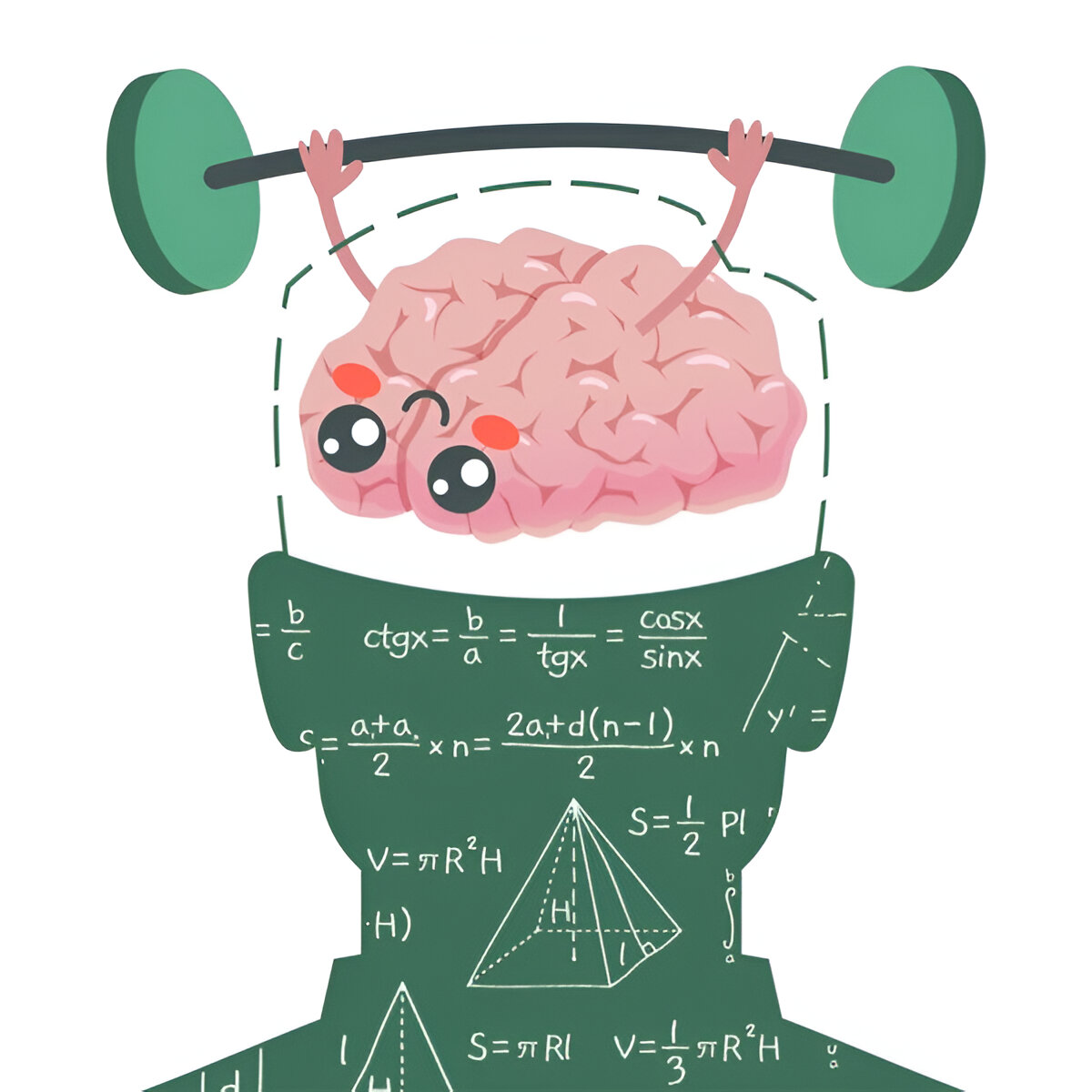
- Increased Concentration: Regular calculation with an Abacus and other mental math tricks requires intense focus, which helps children enhance their intuitive and innovative capabilities and develop their concentration skills.
- Enhances Memory: Regular practice improves critical thinking and short-term and long-term memory as children visualize and manipulate thoughts to solve problems. Studies have shown that these methods help children's overall development by 70%.
- Better understanding of Number Concepts: The tactile experience with the Abacus allows children to more concretely understand the base-ten system and the concept of place value.
- Holistic Learning: Visualizing bead movement, reading Vedic sutras, and hearing reinforcement as they speak out calculations helps solidify learning.
- Boasts Concentration and Memory: Mental maths techniques require focus and internal alterations, leading to improved concentration and a tendency to retain.
- Problem-Solving Skills: Both methods emphasize critical thinking and innovative problem-solving approaches, which apply to many real-life applications.
Is Abacus Right for Your Child?
Multiplying beads to represent numbers and perform arithmetic operations helps strengthen mental math skills. Abacus is the ideal choice for your child aged 5-12 looking for a fun and engaging way to improve their math skills.
Moreover, it can be very beneficial for those who find contemporary math methods difficult.
Tips for Getting Started
Inducing Abacus and Vedic Maths into real learning scenarios and combining these can provide a holistic mathematical education for children. Below given are some tips on how to integrate these methods:
- Begin Early: Try introducing these techniques to your child at a young age. Generally, the ideal time to start Abacus training is between 4 and 6 years, while other mental Math tricks can be introduced a bit later, around 8 to 10 years.
- Regular Practice: Consistency is the key to mastering both Abacus and mental Maths so fix a dedicated time each day for your child to practice these methods.
- Interactive Learning: Use games, puzzles, and interactive tools to make the usual boring calculations fun and engaging. You can also rely on Many online resources and apps that can aid in teaching these techniques.
- Qualified Instruction: It's always recommended to Enroll your child in classes with certified instructors as Professional guidance ensures that your child learns the correct techniques in the right way and progresses steadily.
- Real-life Application: Make sure that your child applies these methods in their regular activities, such as while shopping or cooking these practical applications reinforce their learning and showcase the usefulness of math in everyday life.
Federal Public School(FPS), Yelahanka: The Path to Math Genius
Federal Public School (FPS), established in 1995, has grown to become a prominent institution in Yelahanka, Bangalore, known for its dedication to fostering academic excellence and instilling strong moral values. With a focus on holistic education, FPS ensures that its students excel not only in academics but also in essential life skills, preparing them for success in an ever-evolving world.

The school maintains an impressive student-teacher ratio of 20:1, ensuring that every child receives individualized attention and support. Catering to over 2,000 students from Nursery to Class XII, FPS offers a comprehensive curriculum affiliated with the CBSE board.
The sprawling campus of FPS features state-of-the-art facilities such as modern classrooms equipped with advanced teaching tools, a well-stocked library, and extensive sports infrastructure. These amenities provide a conducive environment for learning and encourage active student participation in both curricular and co-curricular pursuits.
Recognized as one of the best ICSE schools in Bangalore, Federal Public School emphasizes a holistic educational philosophy that blends academic excellence with personal growth. The integration of fun and interactive methods in teaching mathematics not only makes learning enjoyable but also fosters critical thinking and problem-solving skills.
For more information on this and other similar schools in the area, check out this list of the best schools in Bangalore.


 as a preferred source on