








The landscape of education has undergone a remarkable transformation in recent years, driven by increasing global interconnectedness and technological advancement. Educational institutions worldwide are adapting their approaches to prepare students for success in an international context.
In the heart of Gurugram, Satya School stands as a testament to this evolution, seamlessly blending global educational practices with strong cultural values through its dual curriculum offering of CBSE and IB programs.
In this article, we explore how modern educational institutions are adapting to meet global demands, examining key components of international education practices, implementation strategies, and technology integration in schools. Through the lens of Satya School, one of the best schools in Sector 49, Gurugram, we'll see how these global practices are successfully implemented while maintaining cultural authenticity and academic excellence.
Also Read | Redefining Education with a Global-Indian Approach at Sarvottam International School
The Evolution of Global Education Practices
The 21st century has witnessed a fundamental shift in educational paradigms, moving from traditional classroom-based instruction to more dynamic, globally oriented-learning environments. According to UNESCO's International Bureau of Education, this transformation reflects the growing need for educational systems that prepare students for global citizenship while maintaining strong local connections.
Modern education now encompasses much more than academic excellence. It focuses on developing well-rounded individuals capable of navigating an increasingly complex world. This approach requires schools to adopt comprehensive strategies that combine rigorous academic standards with global perspectives and cultural awareness.
International education experts emphasize that successful global education programs must balance universal skills with local cultural values. This balance ensures students develop both global competencies and a strong sense of cultural identity.
Importance of Cultural Integration in Education
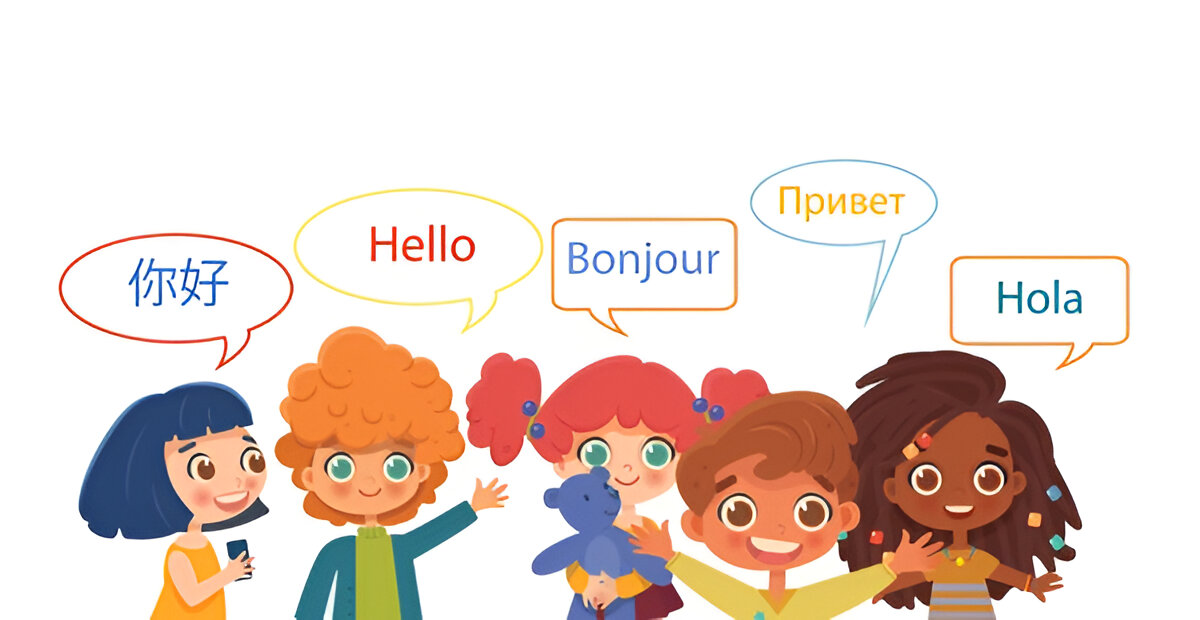
Cultural integration in education serves as a cornerstone for developing global citizens. Schools implementing global practices recognize that cultural awareness and sensitivity are essential skills for future success. These institutions create learning environments where students naturally develop cross-cultural understanding through daily interactions and structured programs.
The integration of diverse cultural perspectives enriches the educational experience and helps students develop more nuanced worldviews. This approach allows them to appreciate both their own cultural heritage and the rich diversity of global traditions, fostering mutual respect and understanding.
Technology's Role in Global Learning
Digital transformation has revolutionized the delivery of global education. Modern schools leverage technology to create immersive learning experiences that transcend geographical boundaries. Interactive smart boards, digital learning platforms, and virtual collaboration tools have become essential components of contemporary education.
Technology enables students to engage with peers worldwide, access international resources, and participate in global learning initiatives. This digital integration helps develop technical literacy while facilitating cross-cultural communication and collaboration skills.
Key Components of Global Education
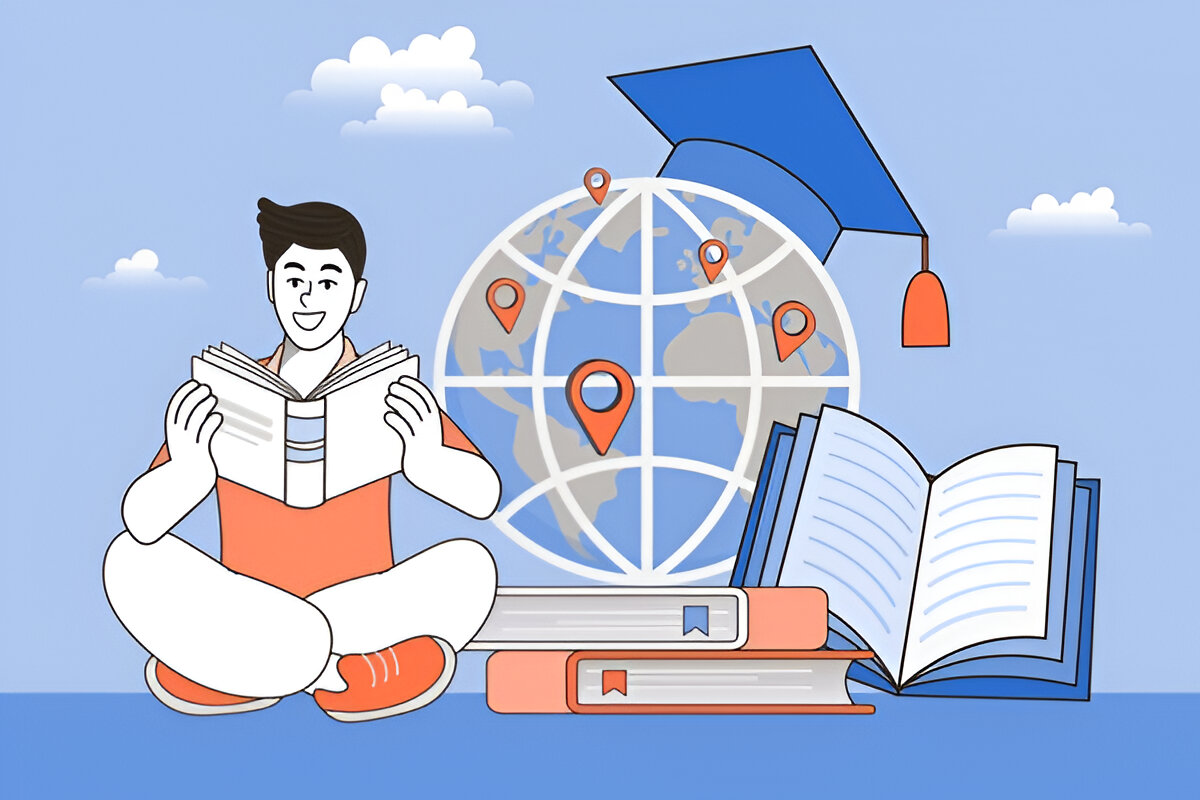
Multilingual Proficiency
Language skills serve as a fundamental pillar of global education. Research by the British Council highlights that multilingual abilities significantly enhance career prospects and cognitive development. Progressive schools now offer comprehensive language programs that go beyond basic instruction to include immersive learning experiences.
Students who develop proficiency in multiple languages gain distinct advantages in:
- Cross-cultural communication abilities
- Enhanced cognitive flexibility
- Improved problem-solving skills
- Better academic performance across subjects
Cross-Cultural Competency Development
Developing cross-cultural competency requires structured programs that expose students to diverse perspectives and traditions. Educational institutions achieve this through:
- Regular cultural exchange activities
- International collaboration projects
- Multicultural celebrations
- Global awareness programs
These initiatives help students develop the cultural intelligence necessary for success in multinational environments. They learn to navigate cultural differences effectively and build meaningful connections across cultural boundaries.
Service Learning and Community Engagement
Service learning connects academic concepts with real-world applications while fostering social responsibility. Schools implementing global practices often integrate community service programs that:
- Address local and global challenges
- Develop leadership skills
- Build empathy and social awareness
- Create meaningful community connections
Implementing Global Practices in Schools
Curriculum Integration Strategies
Successful implementation of global practices requires thoughtful curriculum integration. Progressive schools incorporate international perspectives seamlessly into core subjects, ensuring students gain global context alongside traditional learning. Through carefully designed cross-disciplinary projects with global themes, students learn to connect different areas of knowledge while developing international awareness.
Schools create rich opportunities for collaborative international learning, allowing students to work directly with peers from different cultures and backgrounds. Current global issues are thoughtfully woven into classroom discussions, helping students understand real-world applications of their studies. This comprehensive approach ensures that global awareness becomes an integral part of the learning experience rather than feeling like a supplementary component.
Technology-Enhanced Learning Environments
Modern learning environments leverage technology to facilitate global education in multiple ways. Digital collaboration platforms serve as the foundation, enabling students to connect and work with peers across geographical boundaries. These are complemented by extensive virtual learning resources that provide access to international educational materials and perspectives.
Interactive educational tools enhance engagement and understanding, while real-time communication systems facilitate immediate connection with global learning partners. Together, these technological tools enable schools to create dynamic learning spaces that support global education objectives while developing essential digital literacy skills that students need for future success.
Assessment in Global Education
Evaluating student progress in global education requires comprehensive assessment methods that look beyond traditional metrics. Schools must effectively measure students' understanding of global issues and perspectives, ensuring they grasp the complexities of international challenges and viewpoints.
Assessment strategies also focus on evaluating the development of cross-cultural communication skills, which are essential for success in a globalized world. Educators carefully track students' ability to apply international learning concepts in practical situations.
Additionally, they monitor growth in cultural awareness and sensitivity, ensuring students develop the emotional intelligence needed for cross-cultural interactions. This multifaceted assessment approach helps ensure that students are truly developing the global competencies they need.
Check Out | Fostering Global Awareness and Personal Growth
Satya School, Gurgaon: Pioneering Global Educational Excellence
Established in 2016, Satya School has emerged as a leading educational institution offering both CBSE and IB curricula across its sprawling 5-acre campus in Gurugram. The school maintains an optimal student-teacher ratio of 25:1 and provides instruction from Nursery to Class 12, creating an environment that nurtures global citizens while preserving Indian values.

The school's commitment to global practices is evident in its comprehensive approach to education. Their state-of-the-art facilities, including advanced science laboratories, technology-enabled classrooms, and modern sports infrastructure, create an environment conducive to international standard learning.
One of the best IB schools in Gurgaon, Satya School's global education framework stands out through its innovative programs that combine academic excellence with cultural awareness. The school's dual curriculum offering – IB Primary Years Program for junior school and CBSE for middle and senior school – provides students with the best of both international and Indian education systems.
Through its holistic approach to education, Satya School exemplifies how modern educational institutions can successfully implement global practices while maintaining strong cultural roots. The school's emphasis on multilingual education, community service, and collaborative international projects demonstrates its commitment to preparing students for success in an increasingly interconnected world.
For more information on this and other such schools in the area, check out this list of the best schools in Gurgaon.
















 as a preferred source on