








Education today is no longer about staying within four classroom walls. In an increasingly interconnected world, students need to be comfortable working with different cultures, thinking beyond borders, and adapting to global challenges. Exposure to international perspectives isn’t a luxury anymore; it’s a core part of preparing children for the real world.
As parents move past old definitions of academic success, many now look for schools that offer meaningful global learning experiences, where their children can explore new ideas, engage with diverse communities, and grow into confident, culturally aware individuals. It’s not just about getting ahead; it’s about belonging on a global stage.
In this article, we explore why global exposure matters more than ever in education, and how The TonsBridge School, one of the best boarding schools in India, is making an international outlook a central part of its learning philosophy through exchange programs, visiting experts, and immersive global engagement.
Also Read: Balanced and Future-Ready Curriculum
Why Global Exposure Matters in School
When students are given opportunities to interact with international ideas, cultures, and experiences, something powerful happens. They learn to think beyond borders, and that changes how they approach challenges, relationships, and knowledge itself.
Some key benefits of global exposure include:
-
Broader Worldview: Students develop a better understanding of different cultures, traditions, and values, helping them grow into more open-minded and respectful individuals.
-
Better Communication Skills: Exposure to new languages and global conversations helps students become better listeners, speakers, and writers, especially in English and other global languages.
-
Increased Adaptability: International learning environments encourage students to embrace change, take initiative, and handle uncertainty with more confidence.
-
Real-World Readiness: From study abroad programs to cultural exchanges, real global experiences help students build leadership, problem-solving, and collaboration skills.
-
Cultural Empathy: By meeting people from different backgrounds and beliefs, children learn to lead with kindness, not judgment, an essential trait in today's divided world.
How Global Learning Happens in Schools
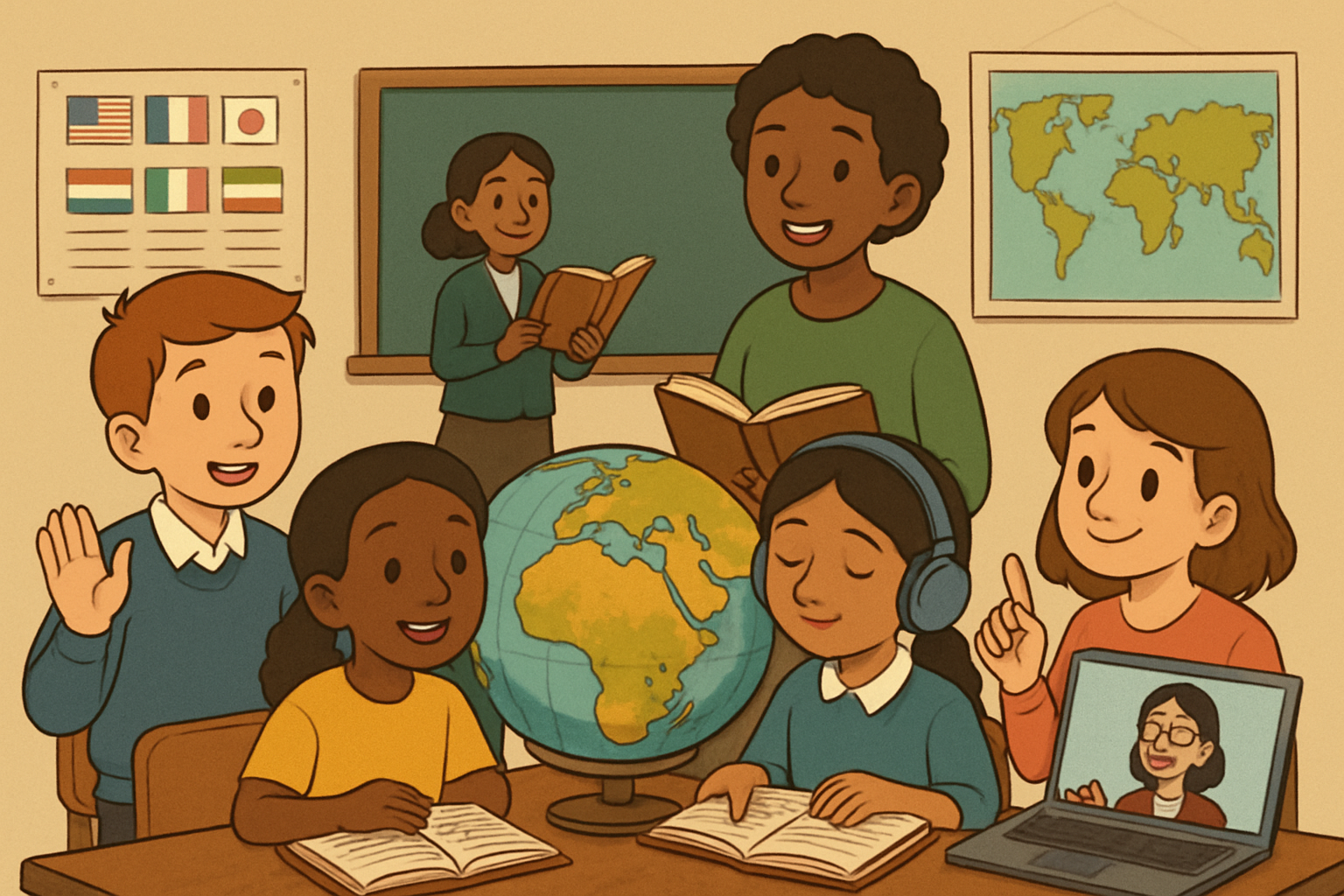
Global education isn’t about just watching a documentary or reading about another country in geography class. It’s about experiencing other perspectives firsthand, in ways that feel personal and meaningful. The most forward-thinking schools bring the world into their classrooms through:
-
International Exchange Programs: These give students the chance to visit, stay, and study in other countries, or host visiting students, creating unforgettable learning experiences.
-
Collaborative Projects Across Borders: Schools partner with institutions worldwide to organize virtual debates, group tasks, or innovation challenges that students work on together.
-
Foreign Language Immersion: Teaching students global languages, not just for exams but for communication and connection.
-
Global Guest Experts and Events: Inviting speakers, artists, scientists, and entrepreneurs from other countries to share insights and stories.
-
Global Curriculum & Learning Resources: Integrating international literature, history, science, and case studies into regular classes to give students a more rounded education.
What Parents Should Look for in a Globally-Focused School
Not all international programs are created equal. While many schools talk about global exposure, parents should dig deeper to see how that promise plays out in everyday learning. Here are a few things to keep in mind:
-
Is it more than just symbolic? Real global exposure isn’t just flags and food days. Look for schools that offer student exchange programs, guest speakers, or collaborative projects with international peers.
-
Are students actually interacting with global perspectives? Ask whether your child will be encouraged to learn about and engage with real-world global issues, sustainability, culture, innovation, etc.
-
Does the school foster both roots and wings? A good global education helps children respect their own culture while being open to others. It’s not about replacing values, it’s about expanding them.
-
Is global learning integrated across subjects? True exposure happens when language, literature, science, and even math are taught with a global lens, not just tucked into a separate module.
By asking these questions, parents can better understand whether a school is truly preparing their child not just to succeed locally, but to belong, contribute, and thrive in a much larger world.
Check Out: 3 Cs That Transform Education
The TonsBridge School, Dehradun: Bringing the World to the Classroom
Established in 2013, The TonsBridge School in Dehradun, one of the best CBSE boarding schools in Dehradun, stands out for its commitment to holistic development. Blending academic excellence with co-scholastic enrichment, the school nurtures not just intellect but also creativity, values, and life skills.
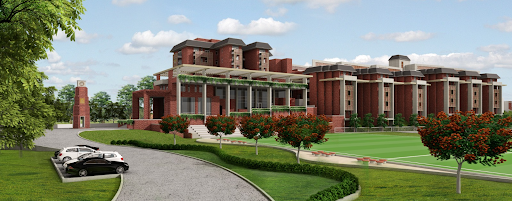
At The TonsBridge School, global exposure is not just an add-on; it’s built into the learning experience. The school believes that children grow best when they learn to see the world from multiple angles, interact across cultures, and explore knowledge beyond their comfort zones.
Here’s how TBS creates a truly international outlook for its students:
-
International Guest Sessions: The school regularly invites global experts from diverse fields, including education, entrepreneurship, and arts, to interact with students and open their minds to fresh ideas.
-
Exchange & Immersion Opportunities: Through carefully curated programs, students get a chance to connect with international schools, participate in cross-cultural projects, and develop friendships beyond borders.
-
World-Class Exposure On Campus: From music and theatre to global science and innovation trends, the school uses state-of-the-art facilities and curated content to make international learning accessible, even from within the campus.
-
Global Mindset, Local Values: Even while preparing students for a global stage, TBS remains rooted in Indian values, fostering respect, humility, and integrity alongside global fluency.
At TBS, global education is about much more than geography. It’s about helping children become confident communicators, sensitive leaders, and lifelong learners, ready to thrive in any corner of the world.
For more information on this and other similar schools, check out this list of the best boarding schools in India.
 as a preferred source on