








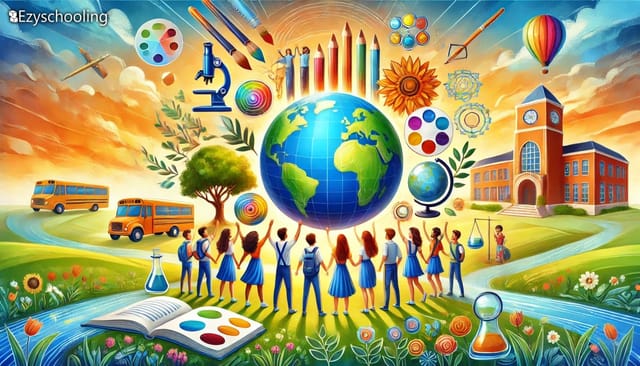
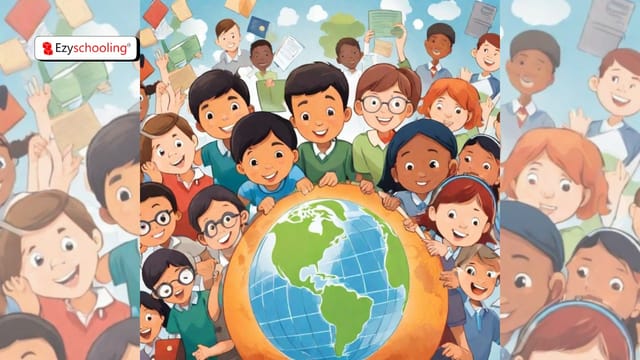
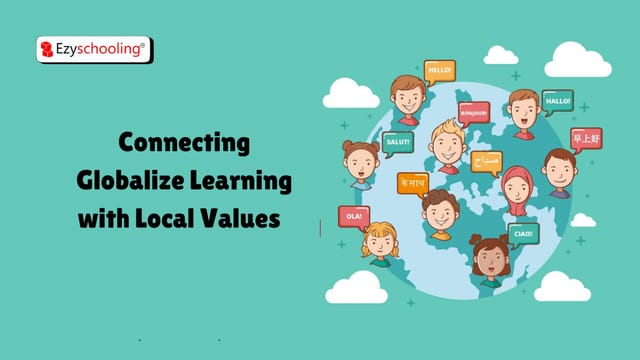
As globalization continues to reshape societies and economies, schools must prepare students with more than just academic knowledge—they need cultural awareness and global perspectives. International cultural programs have emerged as powerful educational tools that transform students into global citizens ready to thrive in diverse environments.
Sarvottam International School, one of the best schools in Noida Extension, stands at the forefront of this educational evolution, integrating robust international partnerships into their curriculum that connect their students with peers from Vietnam, Argentina, Mexico, the United States, South Korea, and Hungary.
In this article, we explore how international cultural programs have become essential components of modern education, preparing students for success in our globalized world, and how Sarvottam International School is leading this educational transformation through its diverse international partnerships spanning multiple continents.
Also Read | Fostering Empathy Through Community Outreach at Sarvottam International School
Understanding Cultural Intelligence in Modern Education
Cultural intelligence—the ability to relate and work effectively across cultures—has become a critical skill in our diverse global society. This capability goes beyond simple awareness of cultural differences; it encompasses adapting behaviour, communication styles, and perspectives when interacting with people from different backgrounds.
Students who develop strong cultural intelligence demonstrate greater empathy, adaptability, and problem-solving skills. They become more comfortable with ambiguity and show enhanced creativity when faced with novel situations. These qualities aren't just beneficial for personal growth—they're increasingly valued in professional settings where collaboration across borders and cultures has become the norm.
When young minds engage with different cultural viewpoints, they develop critical thinking skills by questioning their assumptions and biases. They learn that there are multiple valid approaches to solving problems and organizing society. This cognitive flexibility becomes a foundation for innovation and leadership in their future careers.
The Profound Impact of Cultural Exchange Programs on Student Development

Here’s a look at how cultural exchange programs can influence student development:
1. Developing Global Citizenship
International cultural programs transform students into global citizens who understand their responsibilities beyond national boundaries. Here’s how:
- Developing Nuanced Perspectives: Through meaningful interactions with peers from different countries, students develop nuanced perspectives on global issues, including climate change, economic inequality, and human rights.
- Global Awareness: The firsthand cultural exposure helps students see beyond stereotypes and media portrayals. They begin to recognize shared human experiences while appreciating cultural uniqueness.
- Building Bonds: The friendships formed during these exchanges often last for years, creating personal connections that bridge geographical distances and cultural differences.
- Improved Take on Challenges: Students who participate in such programs frequently report increased confidence in navigating unfamiliar environments and greater independence in their thinking. These qualities serve them well throughout their lives as they encounter diverse situations and challenges.
2. Enhancing Language Acquisition Through Cultural Context
Let’s look at how international cultural programs can enhance language acquisition:
- Learning Cultural Contexts: Learning a language in isolation from its cultural context is like studying music theory without ever hearing a melody. International programs provide the authentic cultural context that brings language learning to life.
- Developing Practical Life Skills: When students communicate with native speakers in real situations, they develop practical language skills that classroom instruction alone cannot provide. They learn colloquialisms, cultural references, and non-verbal communication cues that are essential for true fluency.
- Improved Language Skills: The motivation to communicate meaningfully with new friends accelerates language acquisition. Students return from exchanges with dramatically improved language skills and often continue their language studies with renewed enthusiasm.
Building Bridges Through International Partnerships
Here are a few ways of building bridges through international partnerships:
- Sustainable partnerships: Create ongoing educational relationships between schools, not just one-time events.
- Teacher exchanges: Allow educators to share techniques and perspectives across borders.
- Curriculum collaboration: Develop shared learning materials that incorporate multiple cultural viewpoints.
- Community involvement: Extend partnerships beyond schools to include parents, businesses, and cultural organizations.
- Resource sharing: Exchange educational tools and methods that might otherwise remain within national boundaries.
Integrating Technology with Cultural Exchange
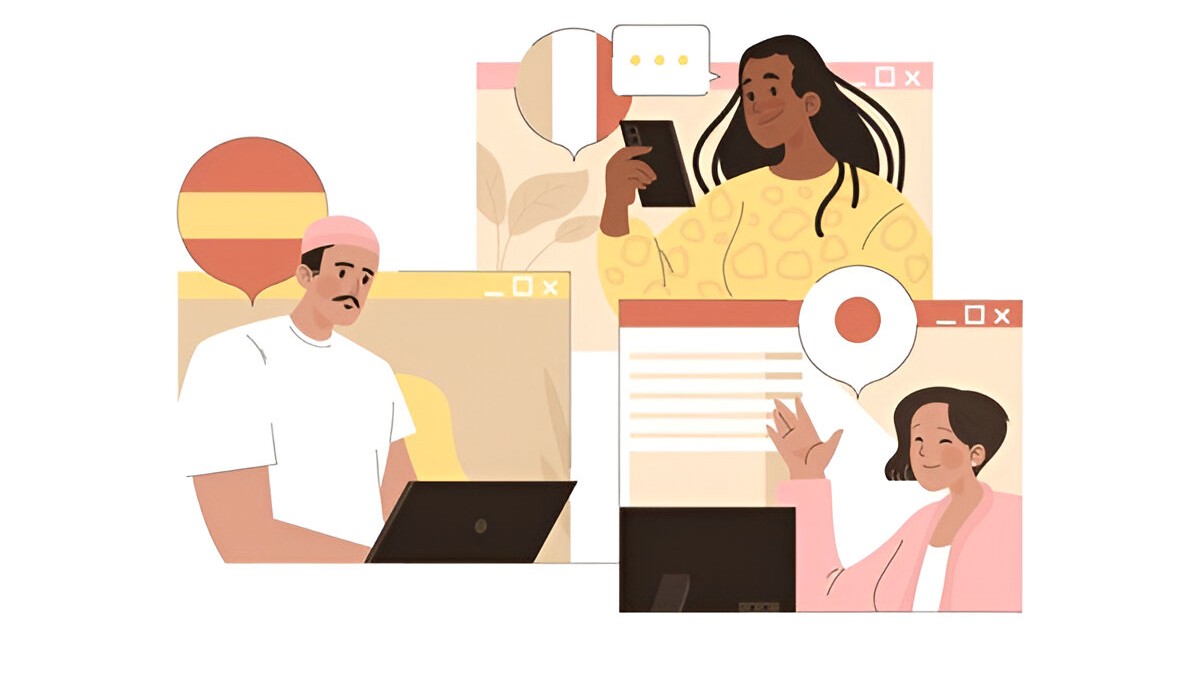
Here are a few tips to integrate technology with cultural exchange:
- Digital connection: Use video conferencing and online platforms to remove geographic barriers.
- Democratized access: Make international experiences available to all students regardless of financial situation.
- Extended engagement: Maintain relationships before and after in-person exchanges through digital tools.
- Blended approach: Combine online collaboration with physical exchanges for deeper cultural understanding.
- Virtual experiences: Use technology to create immersive cultural learning when travel isn't possible.
Measuring Success in Cultural Programs
Evaluating the success of cultural programs requires a holistic approach that combines data-driven insights and personal experiences. A well-rounded assessment ensures these programs achieve their goals of fostering global awareness, personal growth, and academic enrichment.
Here’s how it can be measured:
- Balanced assessment: Use both numbers (quantitative) and stories (qualitative) to evaluate programs.
- Student feedback: Collect reflections through surveys and journals to track cultural awareness growth.
- Academic impact: Monitor how international experiences affect classroom performance and engagement.
- Long-term tracking: Follow up with program alumni to understand lasting effects on education and careers.
- Continuous improvement: Use assessment data to enhance program offerings and methods.
Sarvottam International School: Pioneering Global Cultural Exposure in Greater Noida
Established in 2015 under the United Group's supervision, Sarvottam International School caters to students from Pre-Nursery through Class 12 with an impressive 15:1 student-teacher ratio. The school's commitment to linguistic diversity is evident in its curriculum, which offers German, French, and Sanskrit as language options.

SIS has cultivated an impressive network of international partnerships spanning four continents. Their collaborative programs with Ha Noi Thang Long Secondary School and Pho Co Primary School in Vietnam, CADII in Argentina, ICAM in Mexico, Ben Franklin Elementary School in New Jersey, Incheon Dongmak Elementary School in South Korea, and Sajnovics Janos Primary School in Hungary provide students with unparalleled exposure to diverse cultural perspectives.
The school's approach to international collaboration extends beyond traditional exchange programs to include integrated curriculum projects, virtual classroom connections, and collaborative arts initiatives. These multifaceted partnerships ensure that cultural learning is woven throughout the educational experience rather than treated as an isolated addition.
One of the best schools in Techzone IV, Noida Extension, Sarvottam International School, continues to expand its international footprint while deepening existing relationships. Their vision includes developing student ambassador programs, international service-learning opportunities, and cross-cultural research collaborations that prepare students not just for examinations but for meaningful participation in our global society.
For more information on this and similar schools in the area, check out this list of the best schools in Greater Noida West








 as a preferred source on