







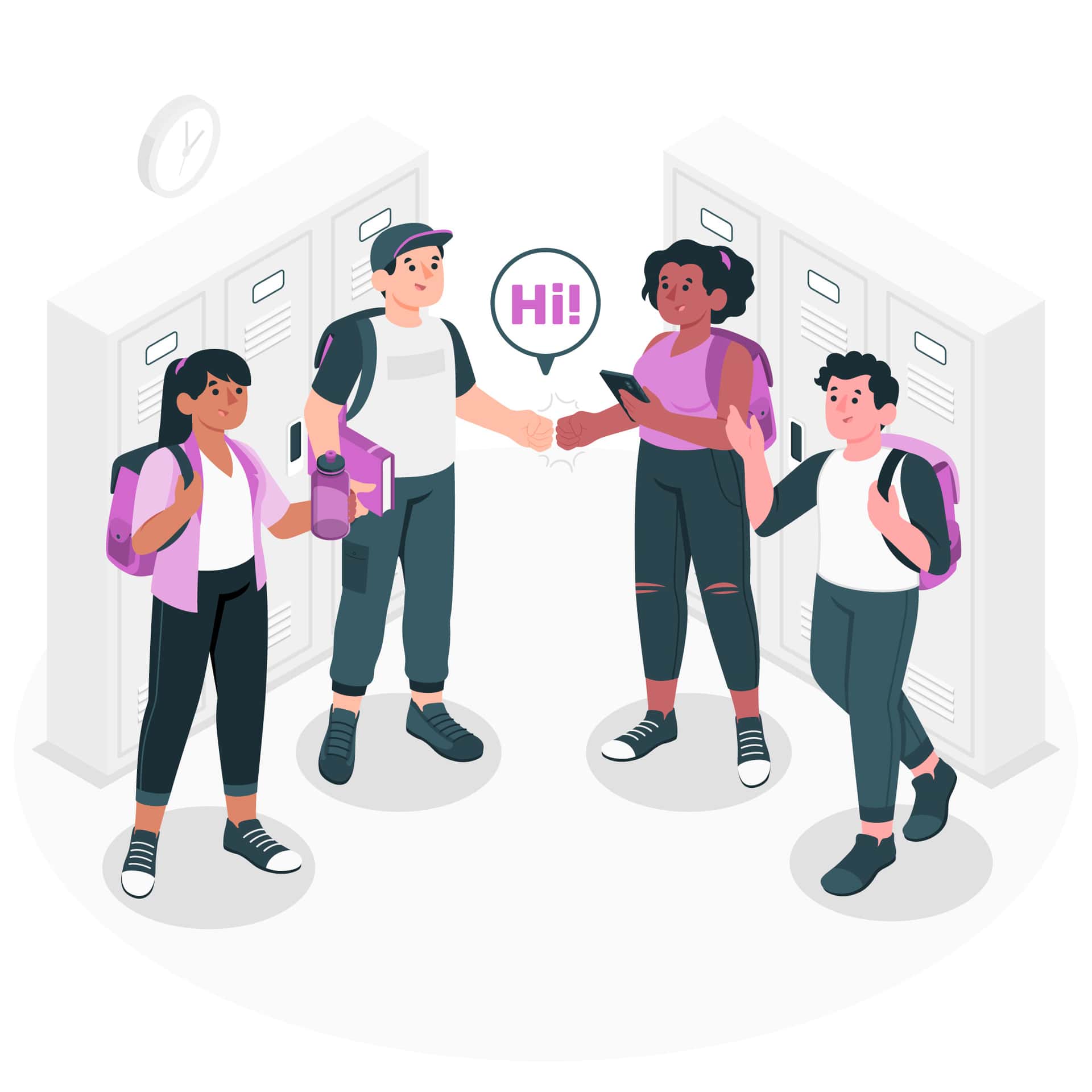

Exchange programs have emerged as powerful educational tools that provide students with immersive learning experiences, fostering global awareness and cross-cultural understanding. These initiatives transcend traditional learning paradigms, equipping young minds with the skills necessary to thrive in an increasingly globalized society.
Delhi World Public School (DWPS), one of the best schools in Noida Extension, stands at the forefront of this educational revolution, embracing exchange programs as integral components of its comprehensive curriculum. The school's unique approach integrates timeless Indian values with diverse world cultures, nurturing students who are not just academically proficient but truly global citizens. Through innovative exchange initiatives, DWPS demonstrates its commitment to preparing students for success in a dynamic and borderless world.
In this article, we explore how exchange programs have become essential tools for modern education, transforming students into globally competent individuals ready to thrive in an interconnected world.
Also Read | Fostering Growth Through Social-Emotional Care: Learn from DWPS
The Evolution of Global Education
The concept of global education has transformed dramatically over the past few decades. What began as rare study-abroad opportunities for university students has evolved into comprehensive exchange programs available to learners of all ages. This shift reflects the changing demands of our interconnected world, where success increasingly depends on cross-cultural competence.
The education landscape has witnessed a profound transition from rote learning to experiential education that emphasizes global competency development. Schools worldwide now recognize that preparing students for future success requires more than academic knowledge—it demands the ability to navigate diverse cultural contexts with confidence and sensitivity.
Exchange programs serve as bridges between different educational systems, allowing participants to gain perspective on varied approaches to learning. They create opportunities for students to develop skills that traditional classroom settings alone cannot cultivate as effectively, such as:
- Adaptability
- Critical thinking
- Communication skills
Benefits of Exchange Programs for Students

Participation in exchange programs offers students numerous advantages that extend well beyond academic enrichment.
- Cultural Immersion: Students gain unparalleled opportunities to experience diverse perspectives and traditions firsthand.
- Enhanced Language Skills: Language proficiency develops naturally through authentic interactions rather than textbook exercises.
- Global Perspective Development: Students understand global issues from multiple viewpoints by engaging with peers from different backgrounds.
- Cross-Cultural Communication: Participants learn to navigate cultural differences, recognize nonverbal cues, and adapt communication styles.
- Workplace Readiness: These communication skills are increasingly prioritized by employers in hiring decisions.
- Independence & Resilience: Navigating unfamiliar environments builds confidence and problem-solving abilities.
- Lifelong Skills: The abilities developed serve young people throughout their academic and professional journeys.
Virtual Exchange: Breaking Geographical Barriers
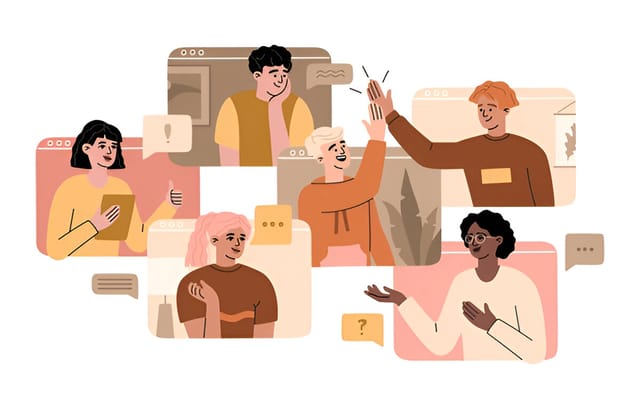
The digital revolution has transformed exchange programs, creating opportunities for virtual collaboration that transcends physical boundaries. Virtual exchange initiatives connect classrooms across continents, allowing students to engage in joint projects, discussions, and cultural exploration without leaving their schools.
This technological evolution has democratized international education by making cross-cultural experiences accessible to students regardless of financial constraints. While traditional exchange programs often require significant resources, virtual exchanges can be implemented with minimal expense, broadening participation to include diverse student populations.
The flexibility of virtual exchanges also allows for participation across different time zones and academic calendars, creating year-round opportunities for global learning that complement traditional education.
Language Development Through International Collaboration
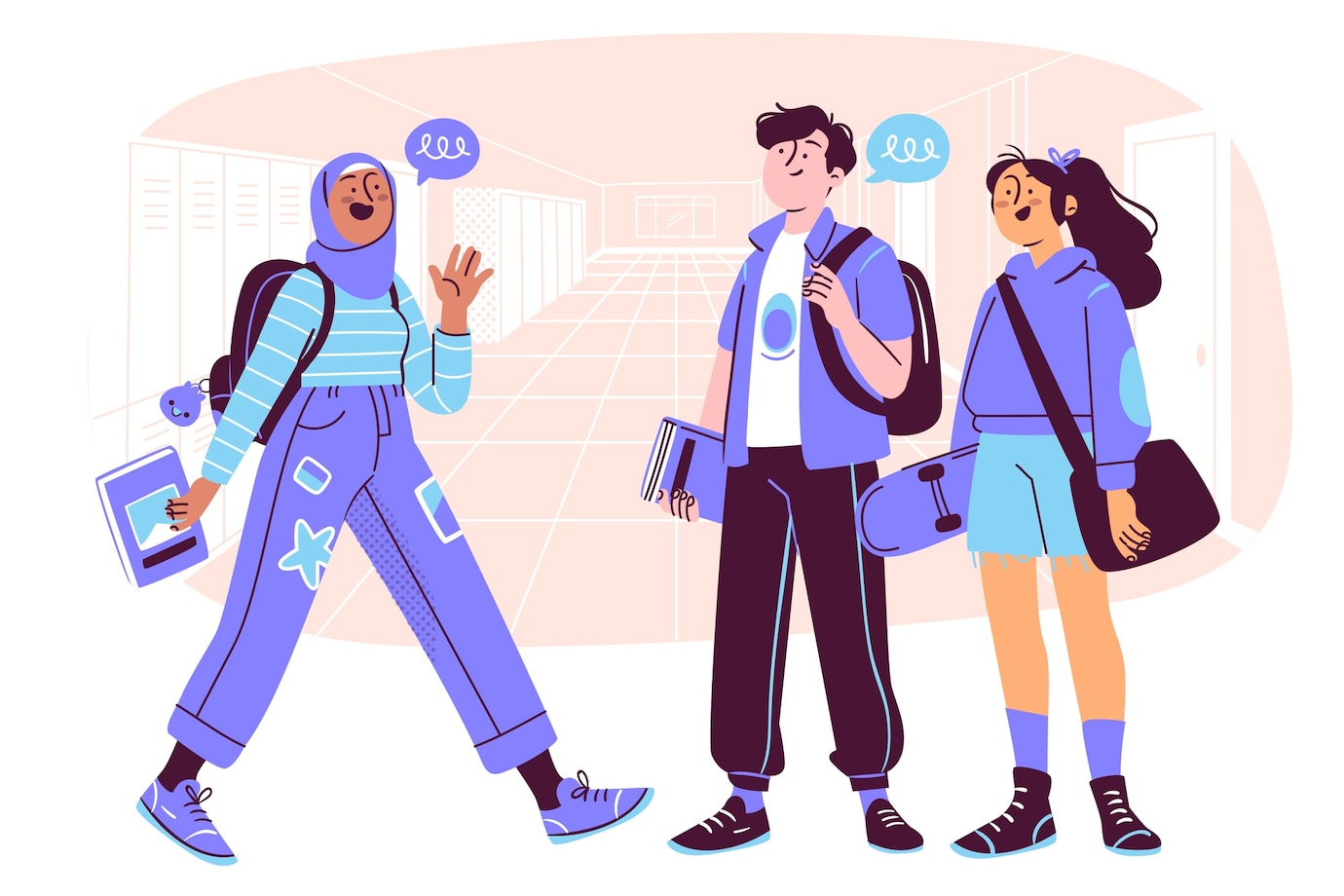
Early language acquisition represents a cornerstone of global education, providing students with tools to communicate across cultural boundaries. International collaborations significantly enhance language learning by creating authentic contexts for communication where students practice new languages with native speakers.
These partnerships create unique opportunities for students to participate in groundbreaking research, simultaneously advancing their language skills and contributing to educational knowledge. The cognitive benefits of multilingual education extend beyond communication abilities, enhancing executive function, creativity, and cultural sensitivity.
By engaging in language development programs with international partners, students gain both linguistic proficiency and cultural context—an integration that traditional language classes often struggle to provide.
Building Global Citizenship Through School Partnerships
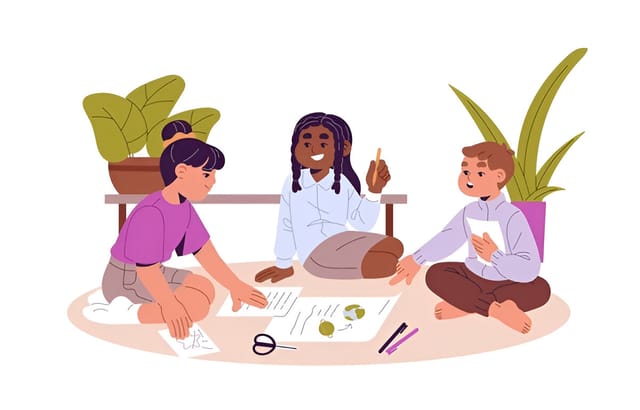
International school partnerships cultivate diplomatic skills as students learn to negotiate differences, find common ground, and collaborate toward shared goals. Young learners develop empathy through direct engagement with peers whose lives and perspectives differ from their own.
These partnerships prepare students to address global challenges by helping them understand the interconnected nature of issues like:
- environmental sustainability
- public health
- economic development
Students who participate in international collaborations recognize their capacity to effect positive change across borders.
Check Out | How Multiple Intelligence Theory Empowers Your Child to Thrive
Delhi World Public School: Pioneering Global Learning Through Exchange Programs
Delhi World Public School, Knowledge Park V, established in 2016, has rapidly emerged as a leading CBSE-affiliated institution in Greater Noida West. With an impressive student-teacher ratio of 18:1, DWPS provides a structured educational environment designed to nurture well-rounded individuals.

The school's commitment to global education manifests through several innovative exchange initiatives. The knowledge-sharing program with American students under the AFS program exemplifies DWPS's dedication to international collaboration.
One of the best schools in Knowledge Park V, Noida Extension, DWPS takes language development to an exceptional level through its collaboration with the University of Liverpool's Department of Psychology. The school further extends its global reach through partnerships with the Indian International School in Benin (West Africa) and participation in the Royal Danish Embassy's International Certificate Program – Nordic-Baltic.
As part of the renowned Delhi World Foundation network, which includes over 100 schools across India and abroad, DWPS benefits from the guidance of distinguished mentors including Mr Salman Khurshid and chairperson Mrs Louise Khurshid. The foundation's commitment to educational excellence through both cutting-edge technological tools and the traditional Guru-Shishya bond creates a unique learning environment that respects Indian ethos while embracing global best practices.
For more information on this and other such schools in the area, check out this list of the best schools in Noida Extension.













 as a preferred source on