








In today's competitive educational landscape, the one-size-fits-all approach to learning is rapidly becoming obsolete. Modern educators recognise that children possess diverse cognitive strengths beyond traditional academic metrics.
Multiple Intelligence Theory offers a revolutionary framework acknowledging the multifaceted nature of human intelligence and learning potential. Forward-thinking educational institutions like Ramagya School, one of the best schools in Noida Extension are pioneering this approach, integrating Multiple Intelligence Theory into their everyday classroom practices.
In this article, we'll explore how Multiple Intelligence Theory transforms education and examine how its implementation empowers children to reach their full potential. We will also look at how Ramagya School in Greater Noida West creates an environment where every child can flourish academically, emotionally, and socially.
Also Read | Shaping Professional Identities in Students | Learn from Ramagya School, GNW
Understanding Multiple Intelligence Theory
Developed by Harvard psychologist Howard Gardner in 1983, Multiple Intelligence Theory challenged the conventional notion that intelligence is a single, fixed entity. Gardner proposed that intelligence encompasses at least eight distinct modalities, each representing different ways individuals interact with the world.
This groundbreaking theory suggests that traditional IQ measurements capture only a narrow slice of human cognitive abilities. By expanding our understanding of intelligence, Gardner's framework offers a more inclusive approach to education and human potential.
Educational psychologists observe that children in environments honouring multiple intelligences often demonstrate higher engagement, improved self-esteem, and stronger academic outcomes, providing pathways to success for children who might otherwise struggle in traditionally structured classrooms.
The 8 Types of Intelligence Explained
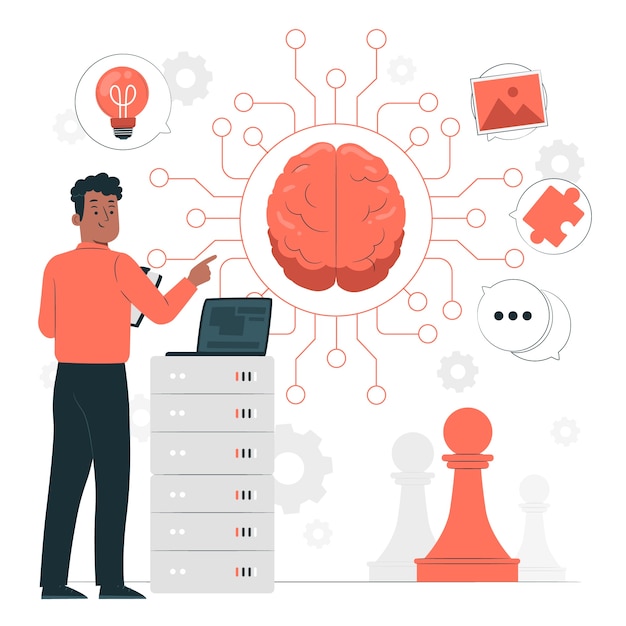
Let us look at the 8 types of intelligence in the multiple intelligence theory, as proposed by Gardner:
- Linguistic Intelligence: Linguistic intelligence involves sensitivity to language and the capacity to use language effectively. Children with strong linguistic intelligence excel at expressing themselves through speech and writing, often demonstrating sophisticated vocabulary and grammar skills from an early age.
- Logical-Mathematical Intelligence: Logical-mathematical intelligence encompasses analyzing problems logically and investigating issues scientifically. Children with this intelligence enjoy working with numbers, exploring patterns, conducting experiments, and solving puzzles.
- Spatial Intelligence: Spatial intelligence involves recognizing and manipulating patterns in space. Children with strong spatial intelligence typically have a good sense of direction, enjoy visual art, interpret maps easily, and think in images.
- Musical Intelligence: Musical intelligence encompasses skill in musical performance, composition, and appreciation. Children with this intelligence are sensitive to rhythm, pitch, and timbre.
- Bodily-Kinesthetic Intelligence: Bodily-kinesthetic intelligence entails using the body to solve problems or create. Children with this intelligence excel at physical activities, have good coordination, and learn best through movement and hands-on experiences.
- Interpersonal Intelligence: Interpersonal intelligence is understanding others' intentions, motivations, and desires. Children with strong interpersonal intelligence work well with others, have many friends, show empathy, and demonstrate leadership abilities.
- Intrapersonal Intelligence: Intrapersonal intelligence involves understanding oneself—appreciating one's feelings, fears, and motivations. Children with this intelligence tend to be introspective, aware of their strengths and weaknesses, and often prefer working independently.
- Naturalist Intelligence: Naturalist intelligence involves recognizing and categorizing features of the natural environment. Children with this intelligence show a strong interest in nature, easily recognize environmental patterns, and enjoy activities like gardening and hiking.
Benefits of Multiple Intelligence-Based Education
Let us take a look at the benefits of multiple intelligence-based education:
- Enhanced Student Engagement: Children learn more effectively in environments that recognize their diverse intellectual strengths, leading to higher motivation and participation.
- Personalized Learning Experiences: Education becomes more accessible and enjoyable when tailored to students' unique intelligence profiles.
- Improved Self-Confidence: Students develop confidence by experiencing success through their preferred learning modalities while receiving targeted support in challenging areas.
- Development of Self-Efficacy: Success in areas of natural strength builds the resilience needed to tackle more difficult subjects.
- Cultivation of Well-Rounded Individuals: Valuing diverse forms of intelligence equally helps students appreciate different skills and talents.
- More Inclusive Classroom Culture: Recognition of various intelligences fosters cooperation and mutual respect among students with different strengths.
Identifying Your Child's Intelligence Profile

Recognizing your child's dominant intelligence types begins with observing their natural interests and abilities. Notice which activities they gravitate toward during free time, where they demonstrate unusual focus, and which subjects generate enthusiasm, here’s how:
- Linguistic Intelligence: The child enjoys storytelling and reading, showing strong verbal expression skills.
- Logical-Mathematical Intelligence: The child demonstrates a fascination with patterns, and puzzles, and an understanding of how things work.
- Spatial Intelligence: The child expresses themselves through drawing, building, or other visual arts.
- Musical Intelligence: The child responds strongly to rhythm and melody, possibly humming or singing frequently.
- Bodily-Kinesthetic Intelligence: The child communicates through movement and needs to manipulate objects to understand concepts.
- Interpersonal Intelligence: The child shows sensitivity to others' feelings and naturally assumes leadership roles in group settings.
- Intrapersonal Intelligence: The child demonstrates self-awareness, and independence, and works well alone.
- Naturalist Intelligence: The child displays keen observation of environmental details and connections in the natural world.
Implementing MI Theory in Classrooms
Here's how Multiple Intelligence Theory can be implemented in classrooms:
- Diversifying Teaching Methods: Progressive educators move beyond traditional lectures by incorporating visual aids, hands-on activities, musical elements, movement exercises, collaborative work, independent reflection, and nature-based learning. This varied approach ensures all intelligence types are engaged and respected in the learning process.
- Project-Based Learning: Project-based learning provides an ideal framework for multiple intelligence education, allowing students to approach topics through preferred modalities while developing cross-domain skills. Classroom environments in MI-focused schools accommodate different learning styles with spaces for quiet reflection and collaboration.
- Technology Integration: Technology offers powerful tools for addressing multiple intelligences through visual and auditory learning experiences. Digital resources support various learning styles through interactive simulations, collaborative platforms, reflective journaling tools, and virtual nature explorations.
Check Out | Enhancing Learning with Innovative Teaching Pedagogies
Ramagya School, GNW: Incorporating Multiple Intelligence Theory in Everyday Classrooms
Ramagya School, established in 2005 and affiliated with CBSE, stands as a premier educational institution in Greater Noida West. With a student-teacher ratio of 30:1 on its 3-acre campus, Ramagya provides personalized attention to students.

The Multiple Intelligence approach permeates Ramagya's curriculum, with educators designing experiences engaging diverse cognitive strengths. Linguistic and logical-mathematical intelligence develops through rigorous academic programs; spatial intelligence flourishes in art studios; musical intelligence grows through instrumental training; and extensive sports facilities support bodily-kinesthetic development.
What distinguishes Ramagya, one of the best CBSE schools in Noida Extension, is its commitment to environmentally conscious education, emphasizing a net zero energy approach with bioclimatic architecture and renewable energy. The eco-friendly design maintains 70% green space while offering ample areas for sports and recreation. The traditional Indian open courtyard design facilitates natural ventilation and ambient daylight throughout interior spaces, creating an ideal environment for learning across multiple intelligence domains.
For more information on this and other such schools in the area, check out this list of the best schools in Noida Extension.






 as a preferred source on