







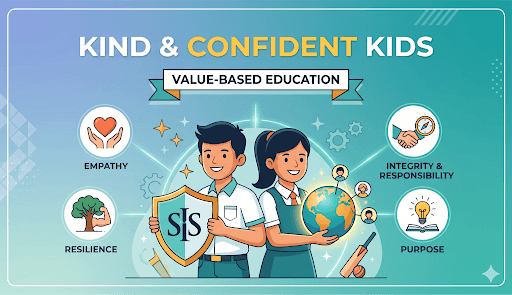

Are you one of those parents who just focus on marks, or do you really ask yourself the most important question: “Is my child actually becoming a good person?” It is a question most of us have. And it is the one question most schools still do not know how to answer.
A 2023 survey by the Centre for Curriculum Redesign found that while 94% of parents globally rank character development as a top educational priority, fewer than 30% believe their child's school addresses it seriously. This gap is where value-based education comes in, helping academically successful children build empathy, resilience and a sense of purpose.
While several schools are still struggling to incorporate value-based education in their curriculum, Sehwag International School, one of the best boarding schools in India, has been at the forefront of this educational revolution. Founded by cricket legend Virender Sehwag, SIS Jhajjar shapes students by instilling in them values that are of extreme importance.
Also Read | How Modern Education Is Shifting Towards Meaning, Values, and Real-World Readiness
The Evolution of Modern Education
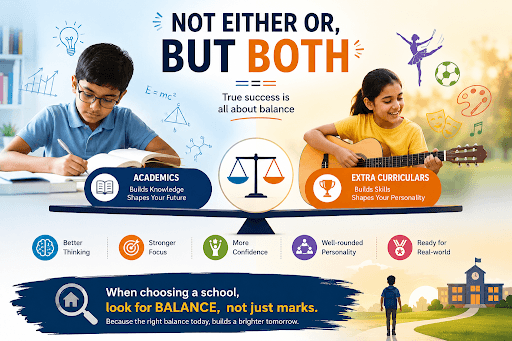
As we step into 2026, the education model has shifted away from what it was 20 to 30 years ago. Rote learning and standardized testing are no longer the norm and are instead being replaced by conceptual learning and holistic development.
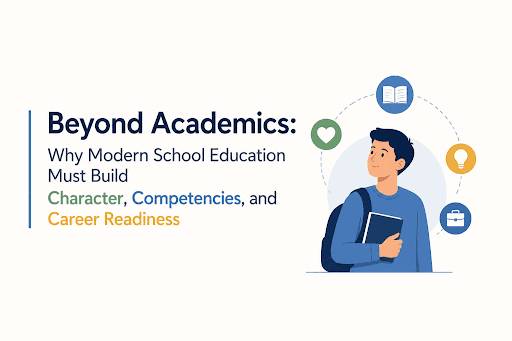
NEP 2020 mentions that education today must move beyond cognitive skills to accommodate social, ethical and emotional capabilities. Even research has shown from time to time that children learn better when their physical, emotional and intellectual needs are addressed simultaneously.
Schools should therefore recognize this need and accommodate value-based learning. Because students today need an environment where they learn values like empathy, integrity and responsibility embedded into their everyday learning experience.
What Exactly Does Value-Based Education Mean?
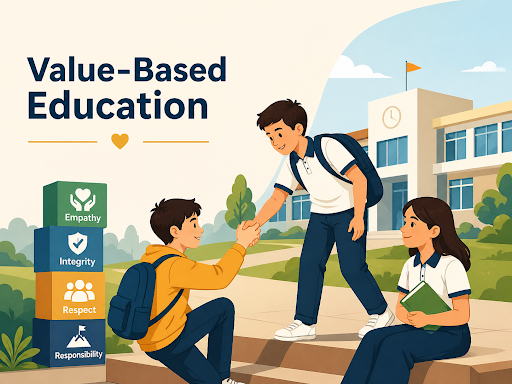
Value-based education gets misunderstood very often, especially since many people assume that it means a moral science period or just a weekly prayer assembly. Instead, value-based education is the deliberate effort to weave qualities like empathy, resilience, integrity and responsibility into the children's day.
This is not something that is imbibed in the form of separate lessons, but as a lived experience. It happens in small moments, such as:
- when a child learns to listen to others
- when they take turns during an activity
- when they admit a mistake without fear
- when they help someone without being asked
Schools usually follow the following practices for imbuing value-based learning in students:
- Story-based learning that teaches honesty, courage, and kindness
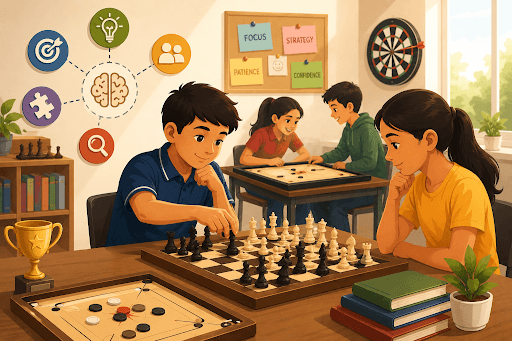
- Group activities that encourage teamwork
- Real-life discussions where children think about right and wrong
- Mindfulness or quiet time to help children reflect
Why Boarding Schools Are a Unique Space for Building Value-Based Learning
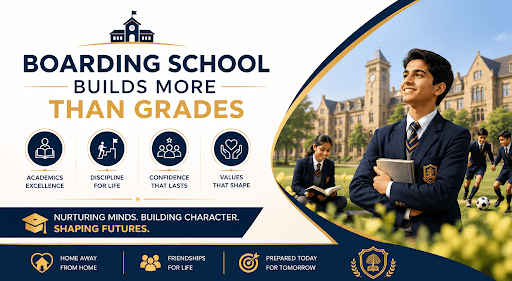
Boarding schools tend to stand out as they create a complete environment for the growth of the students. Unlike day schools, students in boarding schools are under strcit supervision 24x7, learning from their peers and engaging in several activities even after the official school hours end.
A child in a boarding school wakes up, eats, studies, plays, argues, makes up, and falls asleep all within the same community. That community becomes their world. The values present in that world shape who they become, far more deeply than a 40-minute class ever could.
However, this is both an opportunity and a responsibility to adhere to the discipline of boarding school life. Because when a student is persistent, boarding schools help them develop:
- A strong sense of independence, because they learn to manage their own routines without being reminded at every step
- Deeper friendships, built through shared experience rather than convenience
- Better conflict resolution skills, because there is no going home to escape a problem
- Greater respect for diversity, as they live alongside children from different backgrounds, states, and cultures
- Self-discipline that comes from structure and from the experience of looking after themselves and having to do things the right way
Check Out | How Boarding Schools Develop Life Skills
Sehwag International School, Jhajjar: Where Value-Based Learning is a Way of Life
Located on a 23-acre eco-friendly campus in Jhajjar, Haryana, SIS offers residential and day school facilities for students from Grade 1 to Grade 12, preparing them for the CBSE board. The school lives by the motto "Arise Awake Ascend," and that energy runs through every part of campus life.

One of the most eminent examples of value-based learning at Sehwag International School is reflected through its environment. Boarding students wake up, eat, study, and rest within the same community every single day. Faculty are handpicked for both competence and character, and every student receives individual mentoring. That means, a child here is not a roll number moving through a system. Instead, they are known by name, by strength, and by the areas where they need a steady push.
Through its 360-degree model, this boarding school in Haryana ensures that academics, sport, emotional growth, social skills, and cultural grounding all receive proper attention. Living with students from different backgrounds, students here build understanding, adaptability, and respect through interaction and collaboration. Thus, students at SIS go on to become "Global Citizens" who are rooted in Indian values.
So, What Should Parents Look For?
This brings us back to the important question, and along with it, the dilemma of choosing the right school. Because, at the end of the day, your child might not remember every classroom lesson, but what they will remember is:
- how they were taught to treat others
- how they handled challenges
- the kind of person they became
For more information on Sehwag International School and other similar schools, check out this list of the best boarding schools in India.








 as a preferred source on