







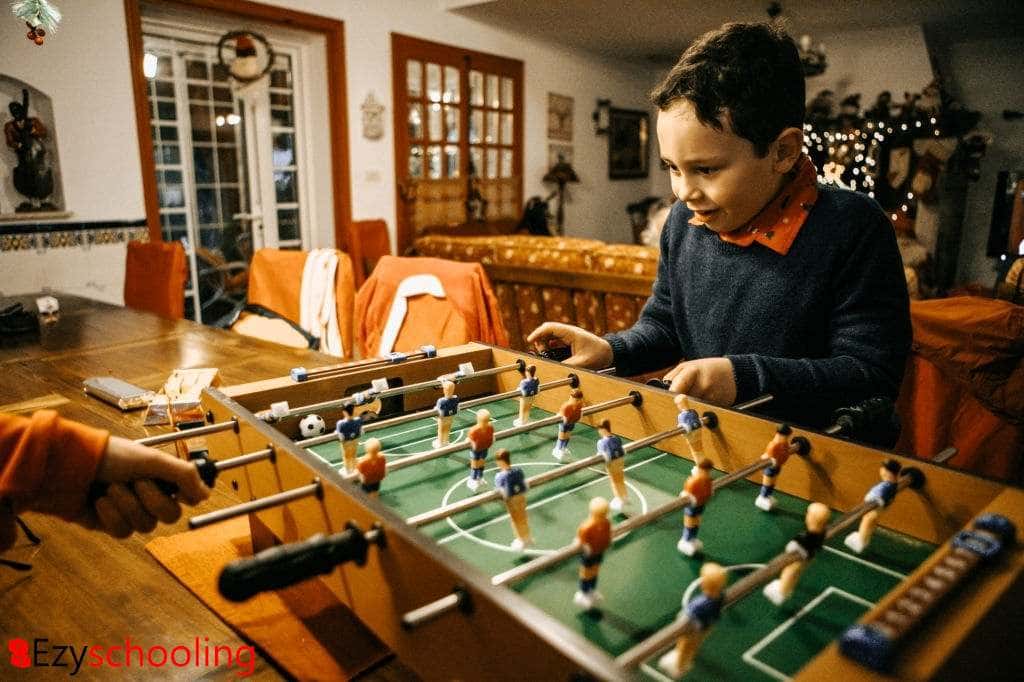

Have you ever noticed how the best lessons in life aren’t learned from books, but from doing? This is the magic of teaching methodologies embedded with experiential learning, a revolutionary approach transforming education from passive absorption into active discovery.
At Delhi Public School, Durgapur, one of the best boarding schools in India, implementing experiential learning breaks the mould of traditional teaching by immersing students in real-world challenges, hands-on projects, and collaborative problem-solving. By making education interactive and relevant, this approach prepares students to confidently face the complexities of the modern world and become innovative thinkers and responsible leaders.
In this article, we’ll dive into how this dynamic approach boosts academic understanding and nurtures critical thinking, creativity, and how schools like DPS Durgapur prepare students to thrive far beyond the classroom walls.
Also Read | Unveiling the Power Within: Learning to Uphold One’s Identity at DPS DurgapurWhat is Experiential Learning?

It is the process of learning through experience or learning by doing. It tells us about how experiences can emphasize learning. The students gain knowledge by performing tasks that create a new experience.
At its core, experiential learning is "learning by doing," where students actively participate in real-world tasks, projects, or simulations, and then reflect on these experiences to deepen their understanding.
Let us take a look at the key elements of experiential learning:
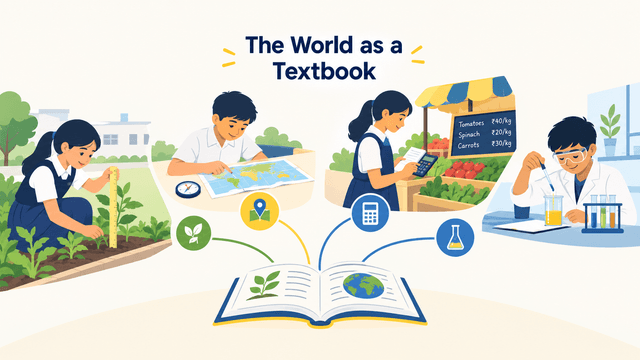
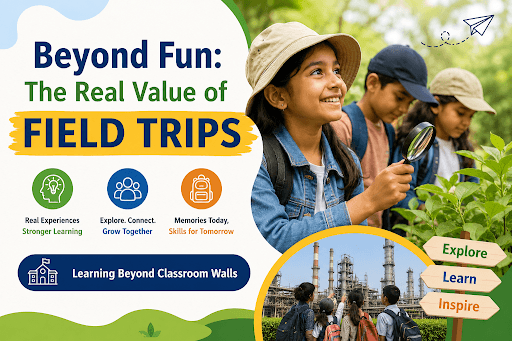
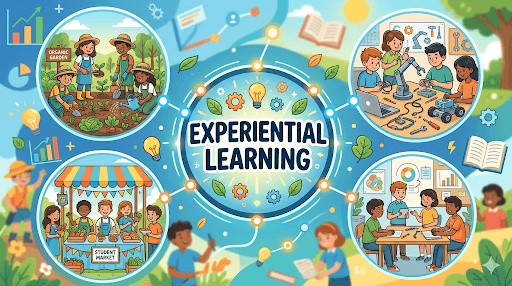
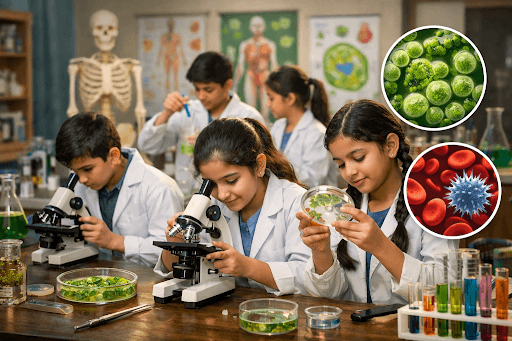
- Active Participation: Students engage directly in activities such as experiments, field trips, internships, service-learning projects, or collaborative group work, moving beyond passive listening to active involvement.
- Reflection: After the experience, students are encouraged to reflect on what happened, analyse outcomes, and connect the experience to theoretical concepts. This reflection is crucial for transforming experiences into meaningful learning.
- Application: Learners apply what they've learned to new situations, reinforcing understanding and building practical skills that can be transferred to other contexts.
- Personal Relevance: The experiences are often tailored to be personally meaningful, engaging the senses, emotions, and intellect, which makes learning more memorable and impactful.
Benefits of Experiential Learning for Children
The teachers know that students learn more quickly when they perform things practically and experience something. Research shows that students participating in experiential learning activities have a 15% higher retention rate than traditional classroom-based learning. So, here are a few benefits that children receive from this process.
- Self-confidence and leadership skills: Experiential learning brings self-confidence and leadership skills to the children. They perform tasks with their critical thinking skills and execute them with their abilities. All this gives them a better understanding of the concepts and brings out self-confidence in them.
- Children become more creative: Teachers found experiential learning as one of the best ways to teach creative problem-solving. They let the students perform the tasks independently and create multiple solutions to one problem.
- The value of mistakes: In experiential learning, the students start valuing their mistakes. Learning from their mistakes also helps children to develop a better conceptual understanding.
- A better understanding of the course material: As many studies have revealed, experiential learning increases student engagement and motivation. As the children learn through real-life situations and by performing tasks, they create their own experiences and develop a better understanding of the course material.
- The guidance for the future: The learning process under experiential learning is also career-oriented. The students start developing their skills and passion by performing the tasks.
Building Critical Life Skills through Experiential Learning
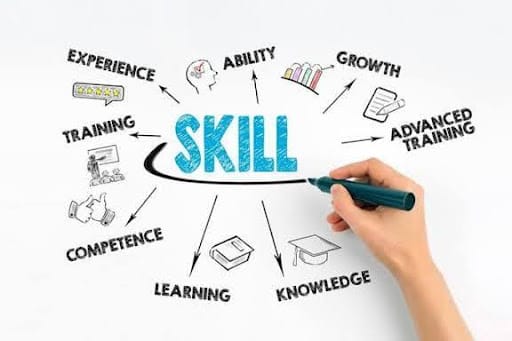
Building critical life skills is one of the most valuable outcomes of experiential learning. Unlike traditional education, which often focuses on memorizing facts, experiential learning immerses students in real-world situations where they must think on their feet, collaborate, and adapt. This hands-on approach naturally cultivates essential skills for success in school, career, and life, here’s how:
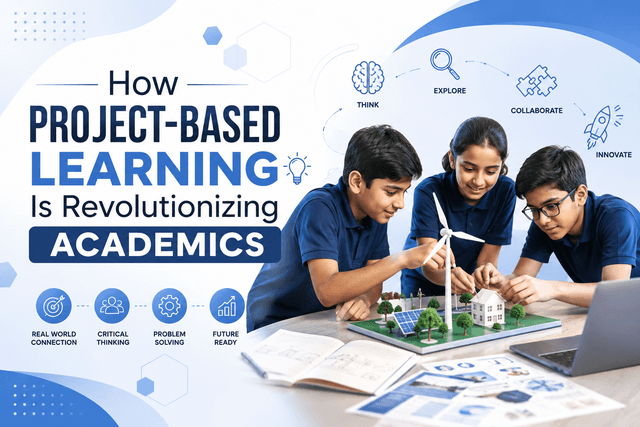
- Problem-Solving: Experiential learning challenges students with authentic scenarios that require creative solutions. Whether designing a science project, planning a community event, or navigating a group challenge, students learn to analyse situations, weigh options, and make informed decisions.
- Collaboration and Teamwork: Many experiential activities are group-based, encouraging students to collaborate, share ideas, and respect diverse perspectives. Through teamwork, they develop communication skills, learn to resolve conflicts, and understand the value of collective effort.
- Effective Communication: Presenting findings, sharing reflections, and working with others require clear and thoughtful communication. Students learn to express themselves confidently, listen actively, and tailor their message to different audiences.
DPS Durgapur: Learning That Sticks, Skills That Last
One of the best boarding schools in West Bengal, Delhi Public School, Durgapur, established in 2011 and affiliated with the Central Board of Secondary Education (CBSE), stands out as a beacon of holistic education in West Bengal. Nestled within a sprawling 5-acre campus and driven by the visionary OmDayal Group, this prestigious institution offers a transformative learning journey enriched with world-class facilities.

At the heart of DPS Durgapur’s educational vision is a pioneering commitment to teaching methodology embedded with experiential learning. Education is not confined to textbooks; it comes alive through immersive, hands-on activities, real-world projects, and interactive lessons that spark curiosity and foster deep understanding. Whether students build innovative models for science talent quests, excel in Olympiads, or showcase their talents in national music and arts competitions, they are constantly challenged to apply knowledge, think critically, and collaborate creatively.
The school’s philosophy recognizes that true education empowers children to embrace individuality while developing essential life skills. With a remarkable student-teacher ratio of 20:1, DPS Durgapur ensures personalized mentorship, where every child’s unique strengths are celebrated and nurtured. The integrated, activity-based learning model seamlessly weaves experiential opportunities into every subject, cultivating academic excellence, resilience, leadership, and self-confidence.
For more information on this and other such schools in the area, check out this list of the best boarding schools in India.




 as a preferred source on