









In schools all around India, a silent revolution is going on. Students don't only memorise facts and formulas anymore. They are learning how to communicate, collaborate, and analyse critically. In a world where anybody with an internet connection can master technical skills, these soft skills are what make people stand out.
One of the best schools in Faridabad, The Grand Columbus International School (GCIS), was one of the first schools to make this transition. It is connected to CBSE. The school doesn't just educate academics; it also gives students a place to work together to learn, grow, and get ready for problems they will face in real life.
In this article, we'll speak about why soft skills are important, how community learning changes education, and what makes GCIS the best place to learn how to work together and be a well-rounded person.
Also Read | Bridging the Opportunity Gap with the Kalam Scholarship
Understanding Soft Skills in Modern Education
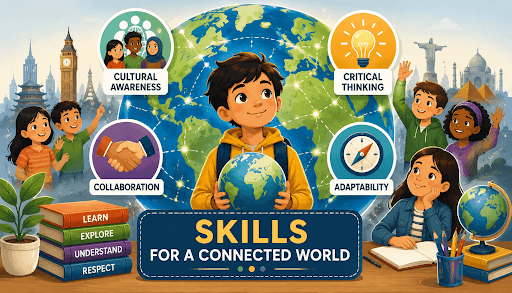
"Soft skills" sometimes don't get as much attention as schooling and test scores. But these soft skills, such as being able to talk to people, get along with others, be adaptable, and have emotional intelligence, are what really count for success in school, a job, and life.
What are soft skills?
Soft skills are the things that help people get along with others. Being able to listen actively, comprehend how other people feel, solve problems, and speak clearly are all examples. You don't learn soft skills from books; you learn them by doing things and talking to people.
Why Employers Value Them
When companies hire people these days, they don't only look at their degrees. They want someone who can talk to a lot of different individuals, collaborate with people from different teams, and handle unexpected scenarios. An engineer who is outstanding at their job but can't work with other people is a liability, not an asset.
The Education Gap
For a long time, traditional schools have focused on how well each kid does on their own examinations, grades, and homework. This method, although evaluating knowledge, often fails to appropriately prepare students for collaborative work contexts. Teachers nowadays are narrowing this gap by employing community-based learning methods.
The Role of Community Learning in Skill Development
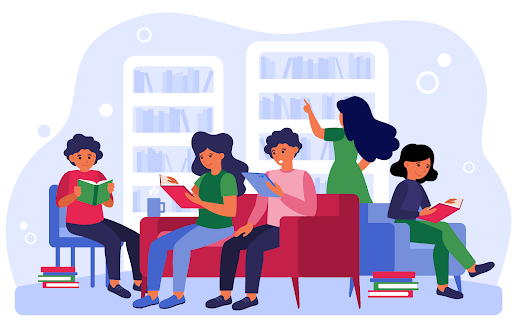
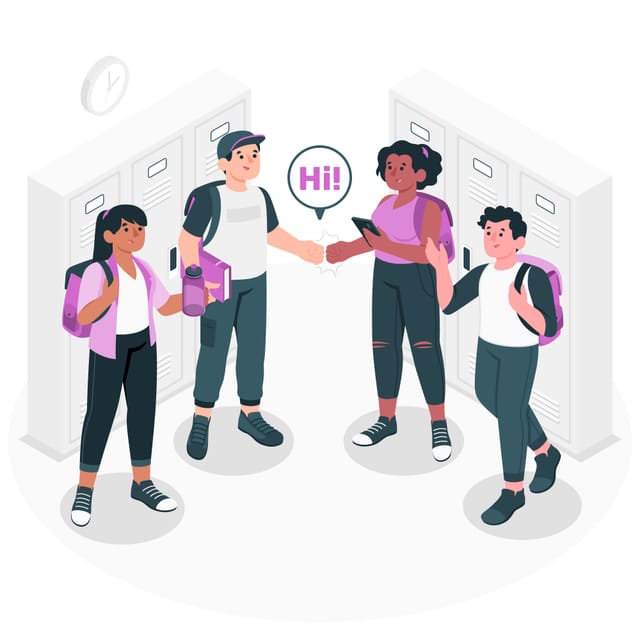
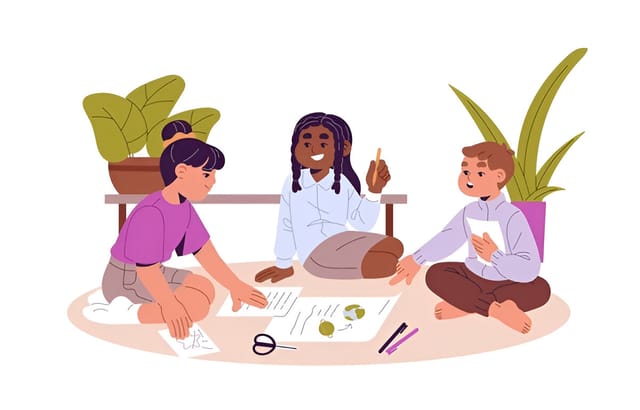
Community learning is a huge shift in how we think about school. People used to think that learning was something that people did on their own. Now, we know that students learn faster and better when they do it together.
Peer-to-Peer Learning Dynamics
When students teach each other, something amazing happens. The teacher helps the student learn in a method that makes sense to them and doesn't stress them out. This kind of connection between peers naturally improves confidence, which is a good thing because most teacher-student connections can make pupils feel terrified.
Cognitive Development Through Social Interaction
Research consistently shows that children's cognitive development progresses more rapidly in social learning environments. Students perceive things from diverse points of view when they communicate, dispute, and work together. This exposure helps kids think outside the box, challenge what they think they know, and become more flexible in their thinking, which are all critical abilities for handling real-world problems that are hard to figure out.
Building Communication Skills Naturally
People don't learn how to talk to each other in community learning settings; they practise it. Students need to share their thoughts, listen attentively to what other students say, and come up with ideas together. These frequent conversations help people who are shy or unsure of what to say become confident speakers who can communicate what they mean in any scenario.
Why Teamwork Matters: Preparing Students for Real-World Challenges
Almost everything important that happens outside of school needs people to work together. You have to know how to work as a team if you want to get by in today's world.
Workplace Realities
Teams are what make up today's workplaces. A business making an app, a hospital taking care of patients, or a research centre figuring out scientific challenges all need people to work together successfully to be successful. Schools that don't teach students how to work together are hurting them.
Problem-Solving Through Collaboration
It's uncommon that one person can come up with a straightforward answer to a complicated problem. Students learn to use their different strengths when they work together on projects and in contests. One student might be great at doing research, another at giving presentations, and a third at coming up with new ideas. They do what none could achieve alone.
Leadership and Responsibility
Another important lesson that teamwork teaches is that being a leader isn't about having power; it's about being responsible. In group settings, students learn how to take charge, help their teammates, and make a real difference. These events help students become responsible citizens who know how they fit into bigger groups.
Building Confidence Through Peer Interaction
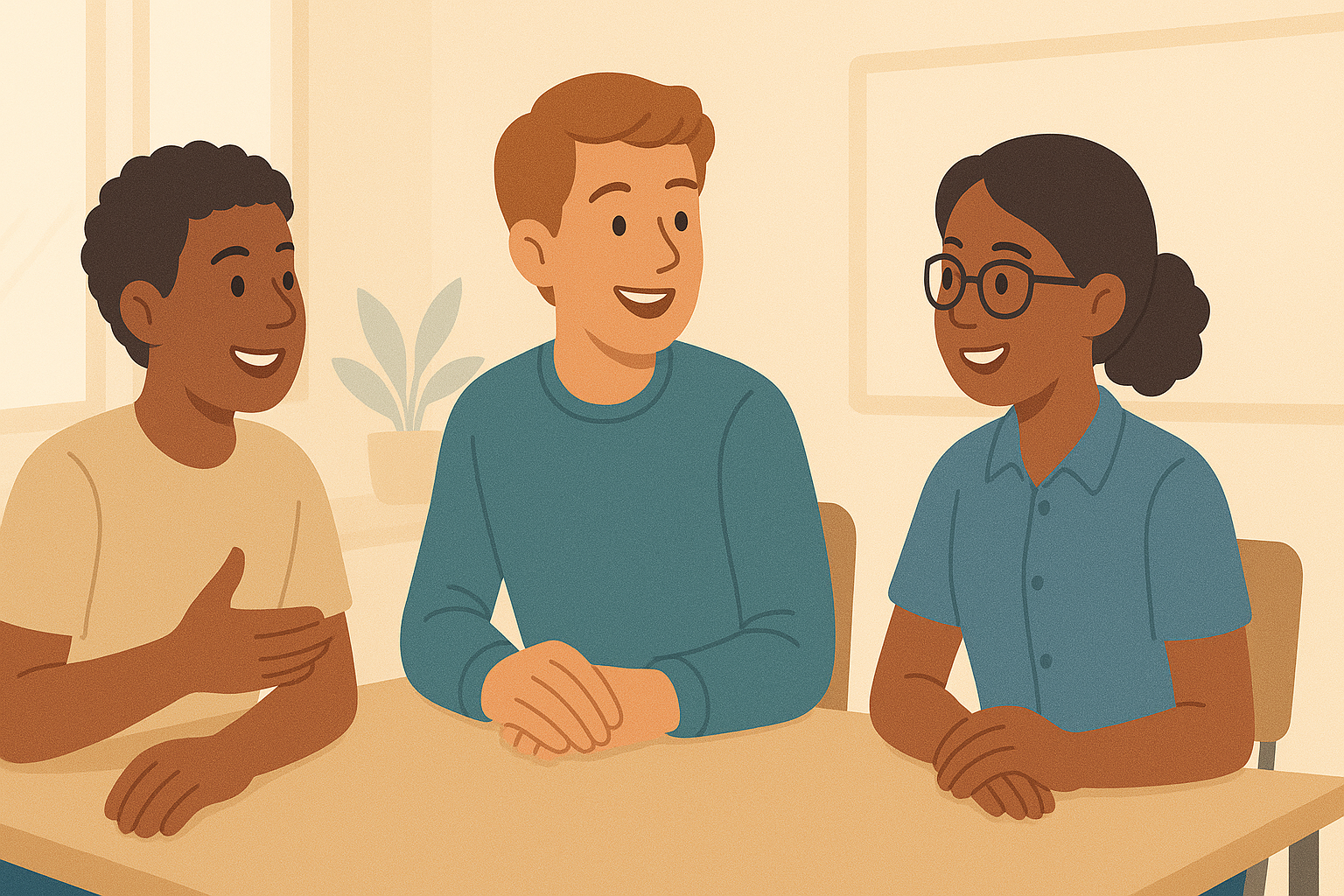
One of the best things about community learning that people don't talk about enough is how it changes how students see themselves and how confident they feel.
Reduced Performance Anxiety
It can be scary to be in a traditional classroom. Students are afraid of being judged when they answer questions or share their thoughts. This fear lessens in peer learning settings. When everyone is learning together, mistakes are no longer seen as failures by each person. This mental safety is really important for real learning.
Developing Social Intelligence
Community learning naturally builds social intelligence, which is the capacity to analyse circumstances, comprehend how groups work, and deal with social problems. Students learn when to talk, when to listen, when to follow, and when to lead. These small abilities are very useful in many situations, from group assignments in college to meetings in the boardroom.
Check Out | Social and Emotional Learning in the Early Years
Nurturing Collaborative Leaders Through Community Learning at GCIS Faridabad
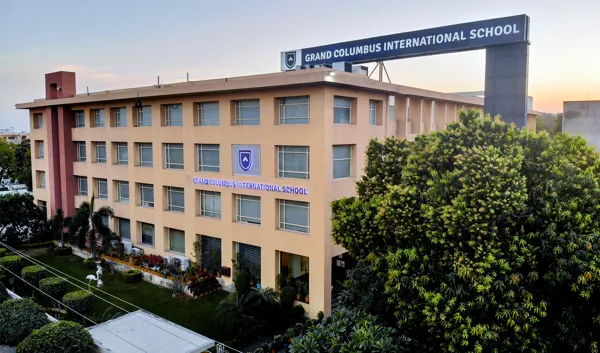
Grand Columbus International School sits in the middle of Faridabad, on 2 acres of contemporary, eco-friendly buildings. The school is part of CBSE and has world-class academic facilities, including modern classrooms that are fully air-conditioned, cutting-edge labs, and a full range of sports facilities. The campus has 24/7 CCTV cameras and follows all fire safety rules, making sure that students can learn in a safe place.
One of the best CBSE schools in Faridabad, GCIS has purposefully designed its teaching methods to follow the ideals of community learning. Through a number of collaborative projects, students have their own spaces to learn with their peers. The school knows that kids' brains grow a lot faster in community settings, where they may build their confidence and personality via regular engagement. This isn't an accident; it's a key part of the school's teaching style.
The school teaches pupils how to work together by assigning them well-planned projects and competitions. Students often engage together on tasks that help them reach their full potential, improve their focus, and learn how to collaborate towards common goals. The healthy, collaborative setting encourages kids from all backgrounds to communicate and learn more about each other.
Grand Columbus International School in Faridabad is the perfect place for your child to learn not just academic subjects but also important life skills via working together with others. The school's focus on community learning, cooperation, and peer interaction ensures that students graduate as confident, eloquent, and collaborative people who are ready for the challenges of the future.
For more information on this and other such schools in the area, check out this list of the best schools in Faridabad.






 as a preferred source on