









Have you ever wondered why humans are unique in how we educate and learn? It's because of something called cultural learning. This special way of learning allows us to pass on behaviors and knowledge in a way that's different from other types of learning.
Understanding cultural learning is essential for gaining insights into different cultures, fostering cultural awareness, and cultivating cultural sensitivity. Cultural learning involves acquiring knowledge, skills, and attitudes from diverse cultures, as well as embracing these varying perspectives. Given the interconnected nature of cultures in today's globalized world, cultural learning is more crucial than ever, playing a vital role in the prosperity of both societies and individuals.
In this article, we will explore the implementation of cultural learning and its many advantages for both people and society at large. We will also look at how Vijaybhoomi School, a boarding school in Mumbai, effectively exposes students to diverse cultures.
Also Read | Diversity in India: A Celebration of Unity
Benefits of Cultural Learning

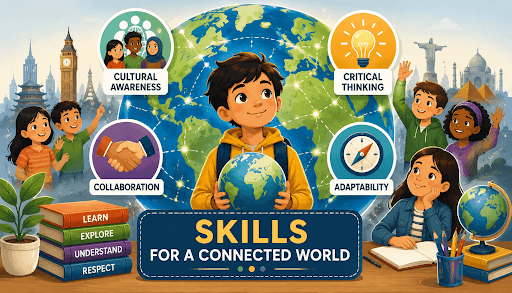
- Enhanced Cultural Competence: Cultural learning improves people's capacity to function in a variety of social and professional contexts. People may forge deeper bonds, encourage collaboration, and avert misunderstandings and disputes by learning various cultural norms, values, and communication techniques. A report by the British Council found that cultural learning can help to develop critical thinking skills, creativity, and problem-solving abilities.
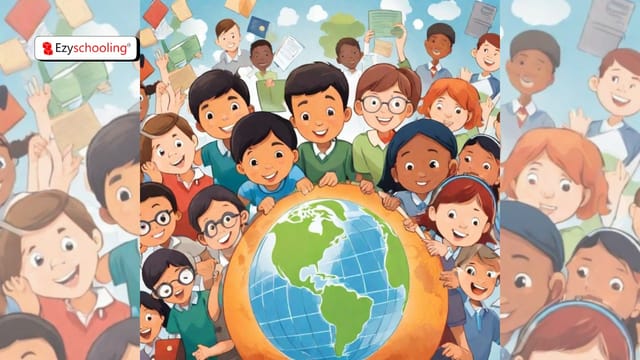
- Enhanced Global Awareness: Learning about different cultures broadens people's perspectives and helps them to recognize and value the great diversity of the globe. This global awareness encourages empathy, respect, and a wider viewpoint, enabling more inclusive and knowledgeable decision-making on a local, national, and international level.
- Personal Growth and Adaptability: Experiencing different cultures challenges our assumptions, broadens our knowledge, and encourages personal growth. It cultivates adaptability, open-mindedness, and the ability to embrace change, which are crucial qualities in an interconnected and rapidly changing world.
- Economic and Social Impact: Cultural learning can have positive economic and social effects on communities. By embracing cultural diversity, communities can attract international tourism, foster innovation through diverse perspectives, and create an inclusive environment that attracts skilled workers from around the world. This cultural richness contributes to economic growth, creativity, and social cohesion.
Implementing Cultural Learning

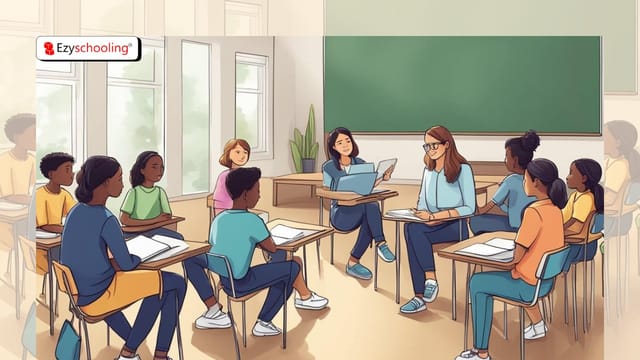
- Education: Educational institutions have a crucial role in implementing cultural learning. Incorporating multicultural curricula, language programs, and exchange programs can expose students to different cultures and perspectives. By encouraging cross-cultural dialogue and understanding, schools create an environment that fosters cultural appreciation and empathy.
- Cultural Exchange Programs: Cultural exchange programs provide opportunities for individuals to immerse themselves in different cultures. Whether through student exchange programs, internships, or volunteer work, these initiatives promote firsthand experiences and personal connections, enabling participants to gain a deeper understanding of other cultures and challenge their preconceptions.
- Cultural Competence Training: Companies and organizations can provide their staff members with courses in cultural sensitivity. These courses give students the information and abilities required for successful cross-cultural interaction, teamwork, and problem-solving. Organizations may establish inclusive work environments and increase their worldwide reach by fostering cultural sensitivity and understanding.
- Digital Platforms: Technology has made it possible to learn about cultures in new ways. Online resources provide accessible and engaging methods to learn about many cultures, including social media groups, virtual cultural tours, and language study applications. These online communities link people from all around the `world, promoting intercultural understanding and shattering geographical barriers.
Check Out: Your Guide to Shaping Children into Global Citizens
Vijaybhoomi School: Exposing Students to Diverse Cultures
One of the top Cambridge boarding schools in Mumbai, Vijaybhoomi Junior College was started in the year 2022 and is located at Jamrung, Karjat, Raigad, Mumbai. It is the first Cambridge International Junior College in Mumbai allowing high school students, i.e. 11th and 12th-grade students, to get a world-class education.

One of the best boarding schools in Mumbai, Vijaybhoomi Junior College has given paramount importance to giving the students exposure to different types of cultures enriching their world-view and making them global citizens. This focus on cultural diversity prepares students for the diverse world by giving them the skills and attitude that they need to be successful in their endeavors.
With a low student-teacher ratio of 8:1, the junior college offers individual attention and assistance to enable the students to improve their achievements and character. Through a student-centered approach, the junior college promotes personal transformation and equips students to thrive in an ever-changing world.
For those people who aim to be in an innovative and inclusive educational institution, Vijaybhoomi Junior College is a perfect match.
For more information on this and similar schools, check out this list of the best boarding schools in India.








 as a preferred source on