







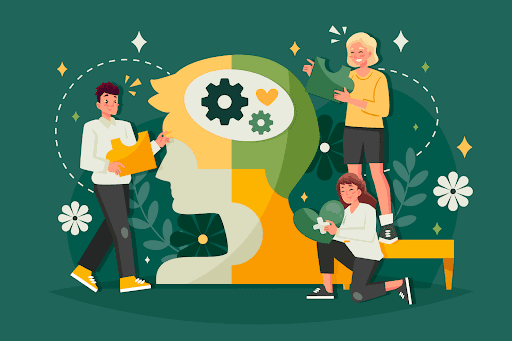

The early years of a child's life are crucial for developing social and emotional intelligence, which forms the foundation for lifelong success and well-being. During these formative years, children learn to understand their emotions, build healthy relationships, and navigate social situations effectively. Quality early childhood education programs recognise this critical period and integrate social and emotional learning (SEL) into daily activities through various engaging methods.
At Manav Rachna International School (MRIS) Sector 14, one of the best schools in Faridabad, the approach to early childhood development goes beyond traditional academic learning. The school places a strong emphasis on Social and Emotional Learning (SEL), seamlessly integrating it into the curriculum through engaging methods such as circle time, role play, storytelling, group games, and art-based activities. These practices help young learners recognize and manage their emotions, develop empathy, and build strong, lasting relationships.
In this article, we will explore why fostering social and emotional intelligence in the early years is vital for a child’s long-term well-being and success. It also highlights how MRIS 14 Faridabad’s innovative and child-centric approach helps lay the foundation for emotionally resilient, socially aware, and confident individuals.
Also Read | Nurturing Individual Potential: Inside MRIS Sector 14 Faridabad's Special Education Program
The Foundation of Social and Emotional Development in Early Years
The early years represent a period of remarkable growth during which children develop essential life skills that extend far beyond academic knowledge. Understanding these developmental milestones helps educators create meaningful learning experiences.
Understanding Critical Developmental Milestones
During the toddler and foundational years, children experience rapid cognitive, emotional, social, and physical growth. This period is characterised by a surge in neural connections that form the basis for emotional regulation and social interaction. The brain's plasticity during these years means that positive experiences can have lasting impacts on a child's emotional development.
Young children naturally begin to recognise emotions in themselves and others, but they need guidance to understand and express these feelings appropriately. They start developing empathy, learning to share, and begin to form friendships. These milestones are nurtured through daily interactions and carefully structured activities that provide opportunities for emotional growth.
The Role of Educational Institutions in SEL
Schools play a pivotal role in supporting families by creating environments where children can practice social skills safely. Professional educators understand developmental patterns and can provide age-appropriate activities that nurture emotional intelligence. Research consistently shows that children who receive quality SEL education demonstrate better academic performance, improved behaviour, and stronger relationships throughout their lives.
Educational institutions also provide diverse social environments where children interact with peers from different backgrounds, thereby learning tolerance and appreciating cultural diversity. This exposure helps develop into global citizens who can navigate an increasingly interconnected world.
Role Play and Storytelling: Developing Empathy and Understanding
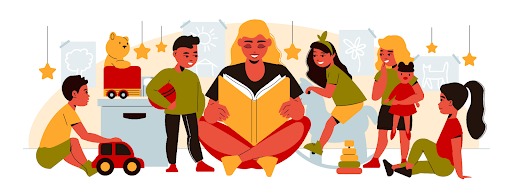
Creative activities like role play and storytelling provide powerful tools for emotional development. These methods allow children to explore different perspectives and understand complex social situations in age-appropriate ways.
Interactive Learning Through Drama and Stories
Role-playing activities at MRIS 14 encourage children to step into different characters' shoes, naturally developing empathy and understanding. When children pretend to be different people, they begin to understand various viewpoints and emotional responses. This experiential learning is far more effective than simply talking about emotions.
The school's language arts curriculum uses storytelling to paint vivid pictures of imagination and creativity. Stories introduce children to diverse characters facing different challenges, helping them understand that people respond to situations differently based on their experiences and feelings.
Building Communication Skills Through Creative Expression
Dramatic play enhances both verbal and non-verbal communication skills. Children learn to express emotions through facial expressions, body language, and tone of voice. They discover that communication involves more than just words, developing a sophisticated understanding of human interaction.
These creative activities also provide natural opportunities for emotional regulation. When children become overwhelmed during play, educators can guide them through calming techniques and problem-solving strategies that they can apply in real-life situations.
Group Games and Collaborative Activities: Learning Social Skills
Structured play activities teach essential social skills, including cooperation, teamwork, and conflict resolution. These games provide safe environments for children to practice social interactions and learn from their experiences.
MRIS 14's carefully designed play zones cater to different age groups and developmental needs. The Early Years Zone features age-appropriate equipment that encourages cooperative play, while group activities help children learn to share, take turns, and work together toward common goals.
During collaborative games, children naturally encounter conflicts and disagreements. With guidance from skilled educators, these moments become valuable learning opportunities. Children develop problem-solving skills, learn to compromise, and discover that differences can be resolved through communication and understanding.
Creative Expression: Expressing Emotions Through Creativity
At MRIS 14, the art-integrated approach recognises the strong link between creativity and emotional intelligence. Whether painting, drawing, or sculpting, children naturally reveal their inner worlds. These creative processes not only support emotional well-being but also help them navigate and make sense of complex feelings and experiences.
Building Inclusive Communities: Supporting Diverse Emotional Needs
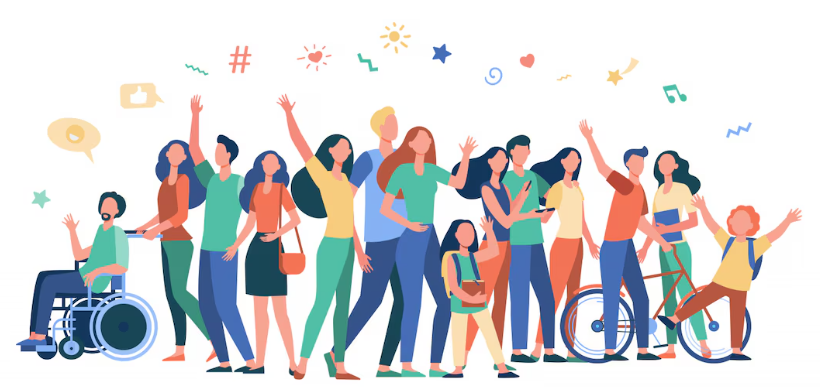
Building an inclusive environment where all children can thrive emotionally requires understanding and supporting diverse needs. MRIS 14 demonstrates a commitment to inclusive education through comprehensive support systems.
The school's Special Educational Needs (SEN) department creates individualised approaches for children with diverse learning styles and emotional needs. Through Applied Behaviour Analysis (ABA) and personalised interventions, every child receives appropriate support for their emotional development.
Student counselling programmes at MRIS 14 offer essential emotional support, equipping children to face challenges with confidence and resilience. These services empower every child—regardless of their starting point—to build emotional intelligence, strengthen social skills, and thrive in their growth journey.
Parent-School Partnership in Social and Emotional Development
At MRIS 14, strong parent-school partnerships are nurtured through interactive counselling sessions and practical workshops. These platforms equip parents with effective strategies to support their child's emotional and social development, ensuring a seamless, consistent environment that reinforces healthy emotional expression and interpersonal skills.
Check Out | Why Parent Engagement Matters
Manav Rachna International School Sector 14, Faridabad: Nurturing Emotionally Intelligent Global Citizens
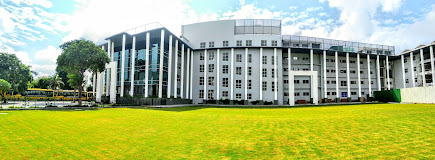
Located in Sector 14, Faridabad, Haryana, Manav Rachna International School operates under CBSE and IB affiliation, is one of the best IB schools in Faridabad. The school provides comprehensive education from toddlers to senior secondary levels, emphasising holistic development through modern facilities and innovative teaching methodologies.MRIS 14 has established itself as an educational leader that develops global citizens with deep cultural understanding and environmental awareness.
The school's comprehensive approach to social and emotional learning creates confident, creative, and compassionate individuals prepared for future challenges. From toddlers learning to identify emotions through play to senior students developing leadership skills, SEL integration occurs across all age groups. This foundation of emotional intelligence, combined with academic excellence, prepares students to become responsible global citizens who can navigate an increasingly complex world with empathy and understanding.
Experience the transformative power of early childhood education at MRIS 14, where every child's emotional and social development is nurtured with care and expertise. Apply Now to give your child the foundation for lifelong success.
For more information on this and other similar schools in the area, check out this list of the best schools in Sector 14, Faridabad.


 as a preferred source on