






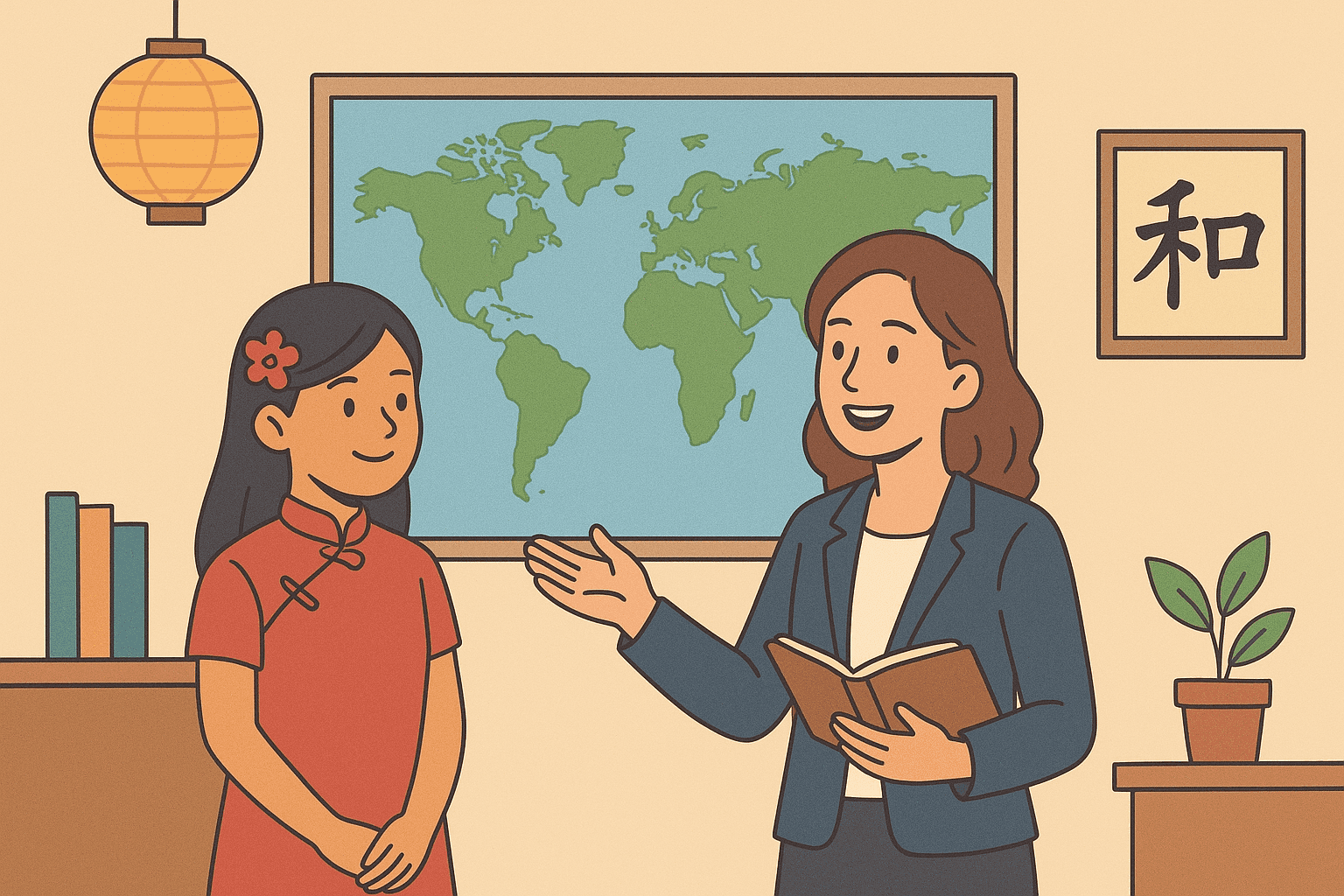

Have you ever noticed how education today is no longer confined to one way of thinking? A student might learn about India’s rich heritage in one class and discuss global sustainability issues in the next. This blend of local grounding and international awareness is exactly what the 21st century demands- students who can think critically, collaborate globally, and stay rooted in their values.
Parents today realize that academic success alone is not enough. Children must learn how to navigate cultural diversity, respect traditions, and embrace modern innovation. Schools that combine Eastern values with Western skills create young adults who are both compassionate and capable of thriving anywhere in the world.
This article explores why culturally blended education is so powerful, what it looks like in practice, and how St. Teresa School, one of the best schools in Greater Noida West, is shaping globally minded yet value-driven individuals.
Why a Culturally Blended Education Matters
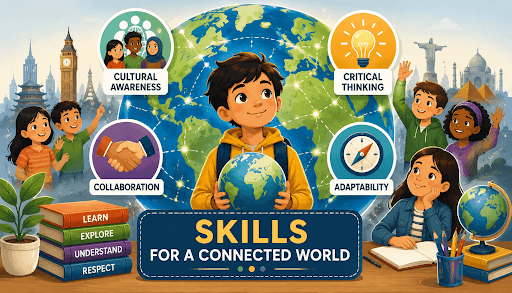
Students must be prepared not just with knowledge but with the ability to communicate, collaborate, and connect with people from different cultures. A culturally blended education goes beyond textbooks to nurture a mindset that is both rooted and global. Here’s why it matters:
- Balancing tradition and progress: Students are encouraged to celebrate their own culture, its festivals, languages, and heritage, while learning to stay open to modern ideas and global innovations. This balance helps them stay proud of where they come from, yet adaptable enough to embrace new opportunities without fear or resistance.
- Developing empathy: When children are exposed to different worldviews, customs, and traditions, they begin to understand that there is more than one way to see the world. This exposure builds emotional intelligence, tolerance, and respect skills that are essential for working in diverse teams and living harmoniously in a multicultural society.
- Enhancing critical thinking: Western education methods often emphasize inquiry and questioning, encouraging students to think independently rather than simply memorizing answers. By blending this approach with value-based learning, students learn to solve problems creatively while considering ethical and cultural contexts.
- Building global citizens: A culturally blended education equips students with the confidence to participate in global conversations, study abroad programs, and international collaborations. At the same time, they remain anchored in their core values, which ensures they act responsibly and contribute positively to society wherever they go.
What Students Gain from a Blended Education
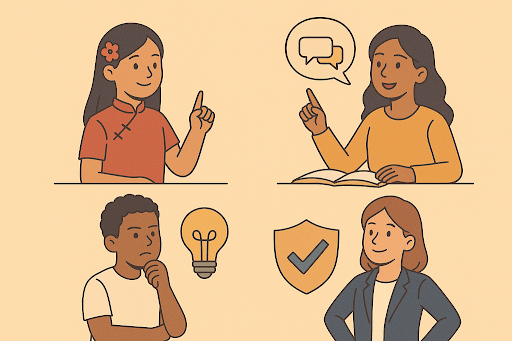
The true measure of a successful education that blends Eastern and Western approaches lies in the mindset, values, and capabilities students take with them when they step into the world. A well-balanced education doesn’t just prepare them for exams, it prepares them for life.
- Culturally grounded yet open-minded: Students grow up with a strong appreciation for their own traditions, languages, and cultural identity, giving them a sense of pride and belonging. At the same time, they learn to respect and understand diverse global cultures, allowing them to adapt seamlessly in multicultural settings.
- Effective communicators: Through group discussions, debates, and collaborative projects, students gain confidence to articulate their thoughts clearly and respectfully. They also develop listening skills, which are equally crucial for teamwork and building meaningful relationships.
- Resilient and adaptable: Exposure to multiple teaching styles and perspectives trains students to handle change with confidence. Whether it’s adjusting to new environments, working with diverse teams, or dealing with unexpected challenges, they are better equipped to stay focused and positive.
- Ethical problem-solvers: A strong value-based foundation ensures that students don’t just solve problems for personal gain but think about the impact of their decisions on others. They grow into responsible citizens who approach challenges thoughtfully and act with integrity.
- Future-ready leaders: Combining cultural wisdom with global skills gives students the ability to lead in any environment. They become self-motivated, innovative thinkers who are not afraid to take initiative and contribute solutions to real-world issues.
How Schools Can Blend Eastern and Western Approaches
Bringing together the strengths of Eastern values and Western learning methods requires intentional planning and consistent execution. Schools that successfully merge the two often follow a well-structured approach that includes:
- Value-based learning: Moral education, mindfulness sessions, and lessons on respect, integrity, and empathy help students stay grounded. By weaving these lessons into daily life rather than treating them as occasional lectures, schools nurture a strong character foundation alongside academic growth.
- Collaborative classrooms: Students are encouraged to work in teams, engage in healthy debates, and respect differing viewpoints. This approach not only teaches cooperation but also strengthens communication skills and ensures that every child’s voice is heard and valued.
- Experiential learning: Instead of relying solely on rote learning, schools use project-based activities, group research work, and interactive assignments. These hands-on experiences build problem-solving skills, encourage creativity, and help students see the real-world application of their lessons.
- Global exposure: Exchange programs, interactions with international educators, and multicultural events bring the world into the classroom. By celebrating global festivals and collaborating on cross-border projects, students develop an appreciation for diversity and learn to work with peers from different cultures.
Check Out | Why the 4 Cs Matter in Education Today
St. Teresa School: Merging Values with a Global Perspective
St. Teresa School, Noida, one of the best CBSE schools in Greater Noida West, is deeply committed to preparing students for a world that is more connected than ever, without letting them lose touch with the cultural and moral values that shape their identity. The school’s mission is to create a balanced education system that merges Eastern ethics with Western critical thinking, ensuring students grow into compassionate, adaptable, and visionary leaders.
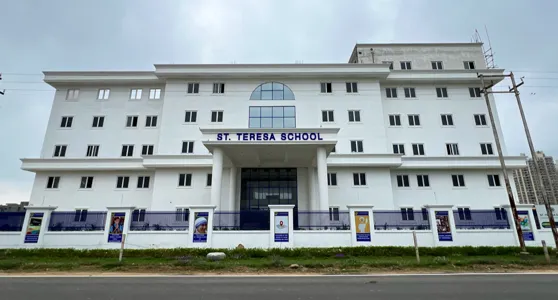
Highlights of St. Teresa School’s Approach
- Integrated value education: Respect, discipline, and empathy are not just taught but actively practiced through daily interactions, assemblies, and school events. This ensures students develop emotional intelligence and a strong moral compass, helping them grow into responsible citizens.
- Inquiry-driven teaching methods: Rather than relying on rote memorization, St. Teresa School encourages curiosity-driven learning. Students are motivated to ask questions, analyze information, and seek creative solutions, which builds critical thinking and problem-solving abilities.
- Global awareness programs: The school regularly hosts exchange programs, celebrates international days, and invites guest speakers to expose students to diverse cultures and perspectives. This nurtures open-mindedness and prepares learners to collaborate across borders.
- Holistic development opportunities: A well-rounded curriculum combines academics with arts, sports, and leadership initiatives. Students get opportunities to explore their creative interests, participate in competitions, and take up responsibilities that build confidence and teamwork skills.
At St. Teresa School, education goes beyond exams; it is a process of shaping character, building intellectual strength, and fostering a sense of global citizenship. Students graduate not just as high achievers, but as thoughtful, empathetic individuals ready to make a meaningful difference in the world.
For more information on this and other similar schools in the area, check out this list of the best schools in Greater Noida West.










 as a preferred source on