









What kind of future are we really preparing our children for - one that rewards only answers, or one that values questions, compassion, and character too?
In recent times, in almost every parent’s mind, this question arises of whether the world out there for their children demands much more than being academically brilliant. Though grades still hold significance, taking responsibilities, being empathetic, and being capable enough to think on your own also matter. The final question is how often can the schools nurture this into their students?
Douglas Memorial Higher Secondary School, one of the best schools in Kolkata, inculcates that the textbook’s last chapter isn’t education. Instead, it starts with curiosity, which further enhances skill development, student-led participation, and tackling real-world problems. This approach would not only prepare students to grow in their lives but also deepen their understanding of the world outside their cocoon.
In this article, we’ll see how the classroom is just one part of a much larger canvas - where ideas are explored, voices are heard, and how schools like Douglas Memorial Higher Secondary School make sure that every child is empowered to lead, question, and grow into someone they - and their parents - can be proud of.
Also Read | Early Learning at Douglas Memorial Higher Secondary School
Clarity Over Cramming: Strengthening Academic Foundations
As parents, we all want our children to do well in school - but what does “doing well” truly mean? Is it just high marks and finished notebooks, or is it something deeper - like genuine understanding, the confidence to ask questions, and the ability to apply knowledge meaningfully?
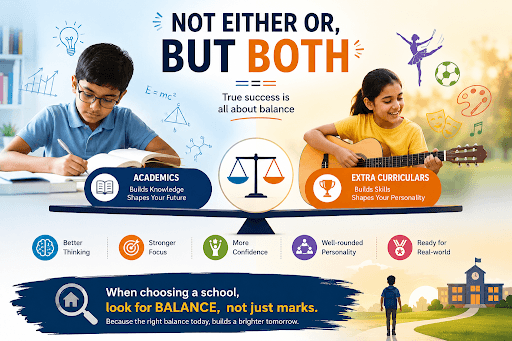
In today’s fast-paced academic landscape, a shift is happening. More educators and parents are recognising that a curriculum focused on conceptual clarity rather than rote memorisation leads to better long-term success. When children truly understand what they’re learning, they retain more, feel less anxious, and are more willing to explore advanced ideas.
Here’s why this approach matters:
- Conceptual clarity boosts confidence: When students grasp the why behind what they're learning - whether it’s a math theorem or a scientific principle - they’re far more likely to stay engaged, participate actively, and trust their own thinking.
- It reduces stress: Cramming before exams leads to temporary recall and burnout. But when concepts are taught patiently and logically, children are less likely to feel overwhelmed by academics.
- It supports critical thinking: Instead of just memorising answers, children learn to break problems down, make connections across subjects, encouraging critical thinking.
- You’ll see it at home too: Many parents report a noticeable change: their children talk more confidently about what they’ve learned, ask thoughtful questions, and show a deeper interest in schoolwork- not just pressure to “complete it.”
Beyond Books: Co-Scholastic Learning That Builds Skills
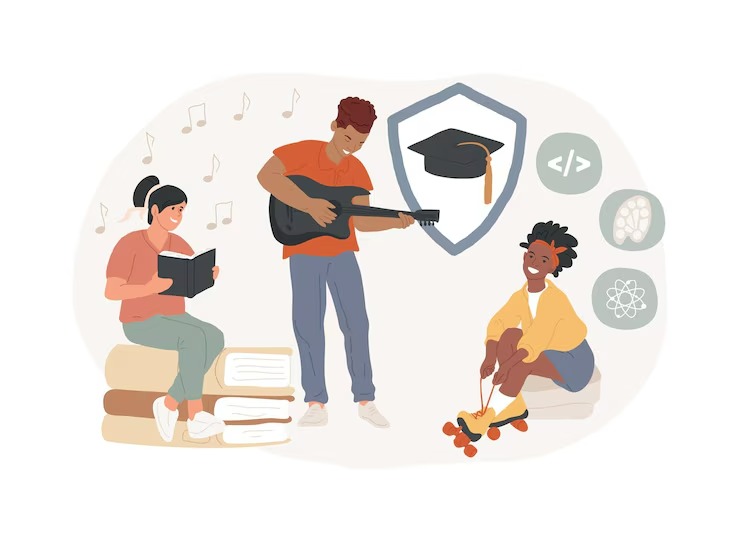
We often say “every child is different”- but does our education system always reflect that? For children to truly discover who they are, they need spaces beyond textbooks - places to create, build, question, perform, and grow in ways that traditional academics can’t always offer.
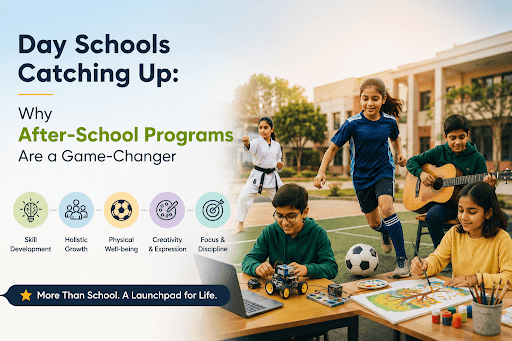
This is where co-scholastic learning comes in. From environmental awareness to computer literacy, cultural programs to art and drama - these areas not only make school life more colourful, but also deeply nurture communication, confidence, and problem-solving skills.
Why this matters in a child’s development:
- Co-scholastic spaces build real-world skills: Whether it’s coding a simple game, performing in a play, or working on a group project, children learn how to communicate clearly, manage time, take initiative, and collaborate- skills every adult uses daily.
- Creative expression nurtures emotional health: Drawing, music, and drama offer safe outlets for children to express emotions and explore their thoughts. This leads to better self-regulation and mental well-being.
- It promotes cultural awareness and empathy: Learning about different communities, traditions, and environmental issues helps children grow into sensitive, aware individuals who care about the world around them.
- Stronger engagement leads to better academics: A NACE study shows that students involved in co-curricular activities perform better academically and are more likely to develop leadership qualities.
Values in Action: Preparing Students with Confidence and Character
As parents, we often find ourselves wondering- in a world that’s moving so fast, how do we ensure our children don’t lose sight of who they are? Academic success is important, yes, but so is the ability to pause, reflect, and act with empathy and purpose. That’s why character education matters now more than ever.
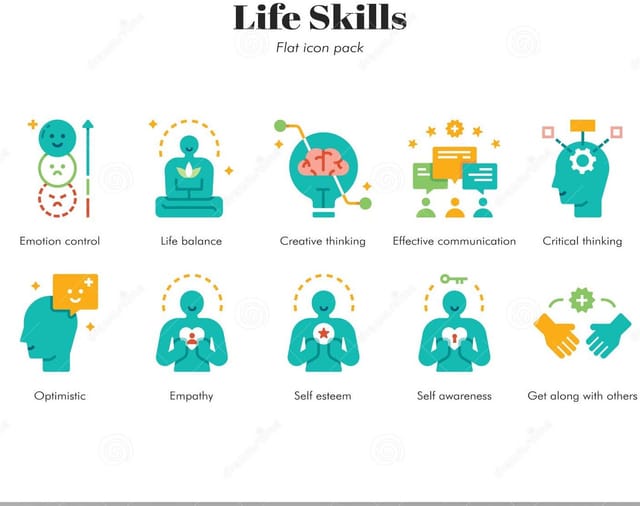
A truly balanced curriculum doesn’t just focus on intellectual performance; it also quietly and consistently nurtures emotional intelligence, self-awareness, and a strong moral compass. These values are not taught through lectures, but through day-to-day interactions, community-based projects, classroom conversations, and opportunities for guided reflection.
Here’s how value-based learning comes alive in a meaningful way:
- Emotional Intelligence in the Everyday: Children begin learning how to name and manage their emotions. Through open class discussions or journal reflections, they gradually become more mindful of their reactions and more understanding of others. These are the first steps toward becoming emotionally healthy adults.
- Empathy Becomes a Habit, Not a Lesson: Whether it’s helping a friend through a tough moment or participating in group activities with fairness and kindness, value-based learning makes empathy a lived experience. It becomes second nature- not something forced, but something felt.
- Strength Through Setbacks: A values-rich environment helps children learn to handle failure or conflict without fear or shame. They’re taught to reflect, take responsibility, and move forward. This quiet resilience becomes a tool they’ll carry into adulthood, relationships, and careers.
- Rootedness in a Fast-Moving World: As children grow in a constantly changing, competitive environment, values help them stay anchored. Whether they’re making choices about friendships, navigating peer pressure, or managing digital distractions, a strong sense of self helps them act with clarity and conscience.
Check Out | Building Emotional Resilience for College Life
Douglas Memorial Higher Secondary School: More Than Just Marks, It’s About Meaning
Douglas Memorial Higher Secondary School is widely recognised as one of the best Cambridge schools in Kolkata, not just for its academic rigor, but for the way it shapes confident, compassionate, and competent individuals. With a strong foundation rooted in timeless values and forward-looking educational practices, the school offers a well-rounded curriculum that equips students for life, not just exams.

From the very beginning, this balanced approach is visible in its early years programme. The school integrates the Cambridge Early Years Programme, a globally acclaimed curriculum that blends academic readiness with child-led exploration. Learning in the foundational years is hands-on, creative, and deeply personalised - laying the groundwork for both skill-building and emotional development.
Classrooms are modern and interactive, but the true strength of the school lies in its warm, nurturing atmosphere. Teachers serve as facilitators and mentors, ensuring that every child feels heard, supported, and empowered to learn at their own pace. In this secure and encouraging environment, children develop not only academic confidence but also the values and life skills needed to navigate an ever-changing world.
The Douglas Memorial Higher Secondary School fosters education that isn’t just about acquiring knowledge - it’s about becoming a thoughtful, capable person. Whether it’s communication skills developed through storytelling and play, or early lessons in empathy and collaboration, the curriculum is designed to support each child’s intellectual, emotional, and moral growth.
For more information on this and other similar boarding schools in India, check out this list of the best schools in Kolkata











 as a preferred source on