








The early years of a child’s education form the bedrock of their intellectual, emotional, and social development. It is during this crucial period that children begin to explore the world, build language, and develop learning habits that last a lifetime. Choosing a high-quality early childhood programme is not just a decision about academics, it's an investment in a child’s future success and well-being.
Douglas Memorial Higher Secondary School, one of the best schools in Kolkata, takes pride in being the first school in Kolkata affiliated with the Cambridge Early Years Programme, offering a play-based, holistic curriculum that nurtures physical, cognitive, language, and social-emotional development in young learners.
In this article, we’ll explore the benefits of structured early education through the Cambridge Early Years Programme. It highlights how Douglas Memorial Higher Secondary School’s play-based learning supports child development and prepares them for future success
Also Read| Redefining Education with a Global-Indian ApproachImportance of Early Years Education
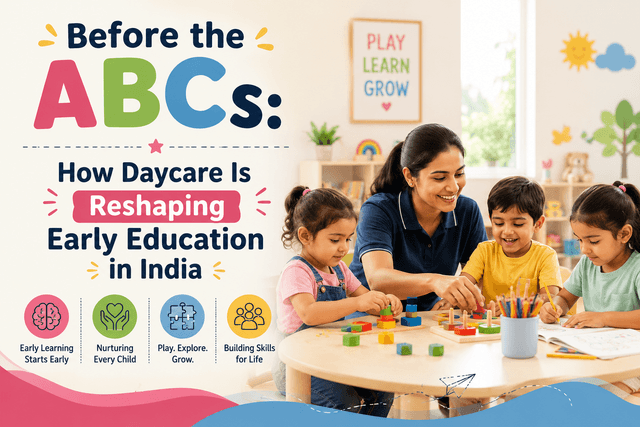
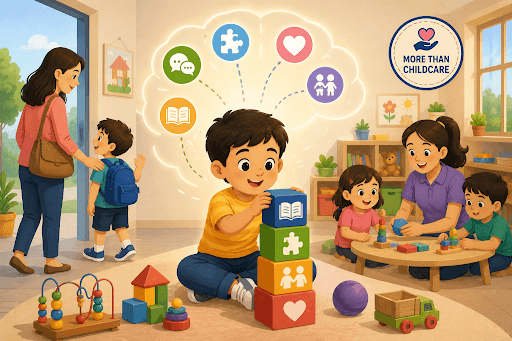
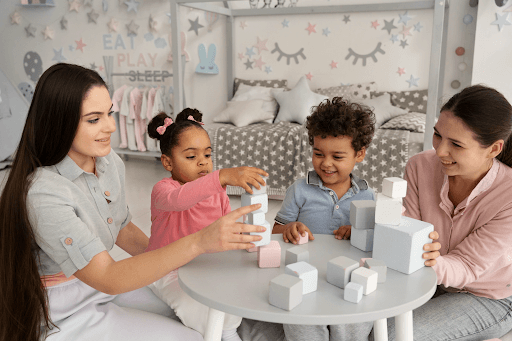
Early education is about more than learning letters and numbers, it’s about shaping the whole child. When children engage in guided play, interact with peers, and experience routine, they develop critical life skills that carry them far beyond the classroom.
Here’s how a strong early learning foundation impacts overall growth:
- Cognitive Skills: By involving fun in their early education, you’ll enhance their ability to focus, think critically, and solve problems with confidence, skills that support future academic success.
- Language Development: Through storytelling, conversations, and play, your child will strengthen their ability to listen, speak clearly, and understand others, laying the groundwork for strong communication.
- Motor Coordination: As your child runs, jumps, draws, or builds, they’ll naturally develop both gross and fine motor skills that are essential for everyday activities and classroom tasks.
- Emotional Intelligence: By learning to recognize and manage their emotions early on, your child will grow into a more empathetic, patient, and emotionally balanced individual.
- Social Development: In group play and shared activities, your child will build teamwork skills, learn to share, and develop meaningful friendships, crucial for positive peer relationships.
The Strength of the Cambridge Early Years Programme

The Cambridge Early Years Programme is designed to give young learners the best possible start by focusing on their overall development rather than just academic readiness. Recognized for its child-focused and inclusive approach, the programme integrates global best practices with real-world relevance. It creates a nurturing environment where children are free to explore, imagine, and grow both as learners and individuals.
Here’s what makes this programme stand out:
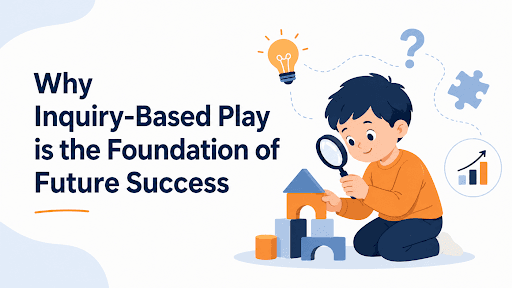
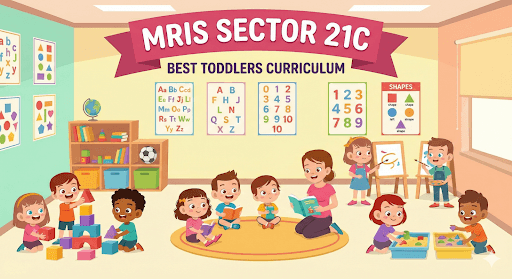
- Play-Based Curriculum: Learning is made enjoyable and effective through purposeful play. Children engage in hands-on activities that spark curiosity and help them grasp foundational concepts through exploration and fun.
- Holistic Development Goals: The programme supports the growth of the whole child, enhancing not just intellectual abilities but also emotional, physical, and social development, ensuring balanced progress.
- Child-Led Exploration: By encouraging individualized learning programmes, children are empowered to take the lead in their learning journey. This builds confidence, initiative, and a love for learning.
- Flexible Framework: Adaptability is key. The structure allows educators to adjust learning experiences according to each child’s pace, interests, and strengths, making education more personalized and effective.
- Global Standards: Aligned with internationally respected benchmarks, the programme offers a world-class education while staying sensitive to local culture and context. It prepares children to thrive in a connected, global world.
The Psychology Behind Early Childhood Frameworks
A strong early learning framework is more than just a curriculum, it is a thoughtful blend of developmental psychology, neuroscience, and real-world observation. Grounded in understanding how children grow, these frameworks aim to nurture emotional strength, social awareness, and mental flexibility alongside academic skills.
These programmes support young minds by:
- Creating a safe space for children to express themselves: Children thrive when they feel secure. A structured yet gentle environment allows them to share thoughts, feelings, and ideas freely without fear of judgment.
- Building self-esteem through small, consistent achievements: Whether it’s tying a shoelace or completing a puzzle, celebrating little milestones helps boost a child’s confidence and motivates them to take on new challenges.
- Teaching children how to manage change, handle frustration, and keep trying: Early learners face many new experiences. By introducing strategies to navigate setbacks, the framework nurtures emotional resilience and perseverance.
- Encouraging problem-solving and critical thinking even during play: Play isn’t just fun, it’s a powerful tool for developing logic, reasoning, and creativity. Activities are designed to challenge young minds in enjoyable ways.
- Reinforcing positive behavior with structured feedback and encouragement: Consistent praise and gentle correction help children understand expectations and develop self-discipline in a supportive manner.
Role of Parents and Schools in Early Learning

Early learning becomes truly impactful when there is a strong partnership between parents and schools. At home, parents provide emotional security, encouragement, and everyday learning experiences that shape a child's initial worldview. Their involvement through active communication and support helps reinforce the confidence and curiosity children need as they begin formal education.
Schools complement this by offering structured guidance through trained educators who understand child development and tailor learning to individual needs. Regular updates, interactive workshops, and consistent parent-teacher engagement ensure that both home and school environments work in harmony. This teamwork builds a safe and nurturing space where children feel understood, valued, and motivated to grow.
Check Out| Why Parent Engagement Matters at Tiny Tots School
Douglas Memorial Higher Secondary School: Laying Strong Foundations through Cambridge Early Years
Douglas Memorial Higher Secondary School is one of the best Cambridge schools in Kolkata. Renowned for its commitment to academic excellence and holistic growth, the school combines strong values with modern educational practices. With a forward-thinking vision and a legacy of nurturing young minds, it aims to create confident, compassionate, and competent individuals ready for a global future.

At the core of its pre-primary education, Douglas Memorial integrates the Cambridge Early Years Programme, a globally recognized curriculum that focuses on child-centric, play-based learning. The programme is thoughtfully implemented across the early grades, blending exploration and structure to promote curiosity and foundational skill-building. Trained facilitators guide students through activities that balance academic readiness with creativity, ensuring personalized attention and continuous developmental progress for every learner.
The Douglas Memorial Higher Secondary School fosters a nurturing environment where young children feel secure, inspired, and empowered to express themselves. With a team of dedicated educators and staff, Douglas Memorial prioritizes emotional well-being alongside academic growth. Modern classrooms, interactive learning tools, and a warm school culture collectively create a safe and joyful space where early learners thrive, laying the groundwork for lifelong learning.
For more information on this and similar boarding schools in India, check out this list of the best schools in Kolkata.








 as a preferred source on