






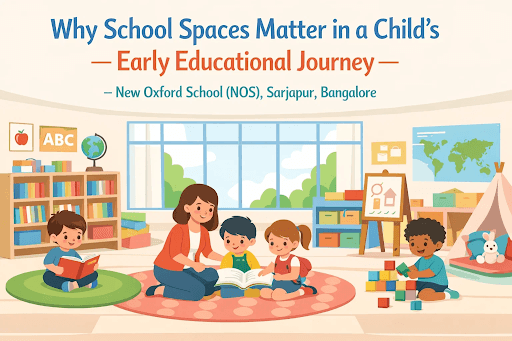

Children often remember spaces before they remember lessons. A bright classroom. A favorite corner of the playground. A quiet library. These small things stay with them. In the early years, learning is not just about books. It’s also about how a place feels.
That’s why the school environment matters more than we sometimes think. It affects how children focus, how they interact, and how comfortable they feel every day. Simple things like classroom setup, open activity areas, and overall atmosphere can make a real difference. And for parents exploring the best schools in Bangalore, the physical and emotional environment of a school is often just as important as curriculum or academic results.
The Link Between Environment and Learning
You may have noticed that your child is naturally curious, learning through observation, movement, and interaction. This is why the environment around them plays such an important role in how they absorb information. A well-designed school space can support:
- Active learning
- Collaboration among students
- Creativity and exploration
- Comfort and safety
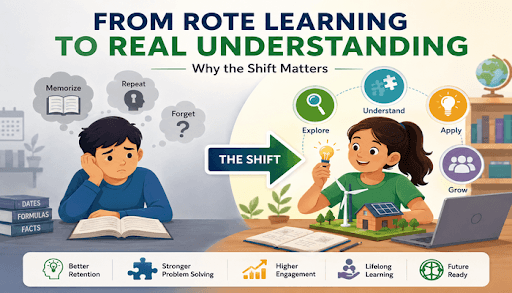
Instead of being passive listeners, students become active participants in their learning process. And as a parent, you may start to notice how this shift affects your child, how they engage more, ask questions, and feel more involved in what they are learning. Educational research supports this idea. A study by the University of Salford in the UK found that classroom design can influence student learning progress by up to 16% in a single academic year. Elements like lighting, classroom layout, colour, and air quality can directly impact how well your child concentrates and stays engaged in class.
Similarly, a report by the OECD (Organisation for Economic Co-operation and Development) highlights that well-planned learning environments improve both academic performance and student well-being in early education settings. These findings highlight a simple but powerful truth. The space where children learn can influence how well they learn. For you as a parent, this often reflects in simple, everyday signs, how your child talks about school, how comfortable they feel, and how naturally they engage with learning. Because in many ways, the space where children learn can shape how well they learn.

-
Classrooms as Learning Ecosystems
In early education, classrooms often function like small ecosystems where different types of learning happen throughout the day. A typical day for younger students is not limited to sitting and listening. It includes a mix of activities, from listening to teachers and participating in group tasks to drawing, writing, building projects, and interacting with peers.
Flexible classroom layouts help make these transitions easier and more natural. Spaces that allow movement, discussion, and creativity keep children engaged and involved. This is why many modern classrooms are designed with features like activity corners for creative exploration, quiet reading spaces, and open layouts that support group interaction. Together, these elements create a more dynamic and engaging learning experience, moving beyond the limitations of traditional fixed seating arrangements.
-
Outdoor Spaces and Social Development
Learning in early childhood does not stay inside classrooms alone. Outdoor areas also play an important role in a child’s development. Playgrounds, sports areas, and open spaces allow students to develop physical coordination, teamwork, and social interaction. Through play, children learn how to cooperate, negotiate, and communicate with others.
According to the American Academy of Pediatrics, regular play and outdoor activity contribute significantly to children's cognitive, emotional, and social development. These moments outside the classroom often help children develop confidence and independence qualities that support learning inside the classroom as well.
-
Why Early School Experiences Matter
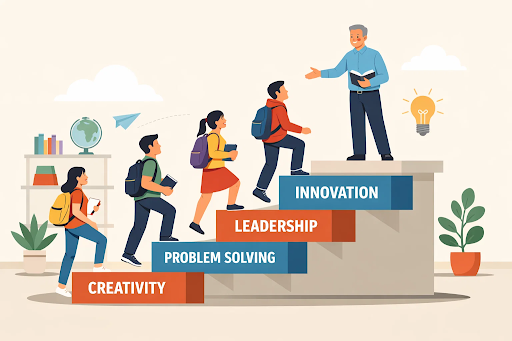
The early years of schooling shape how children perceive education in the long run. Positive school experiences during these years can influence:
- A child’s willingness to participate in class
- Confidence in asking questions
- Interest in exploring new subjects
- Comfort in social environments
When children feel safe, comfortable, and curious in their surroundings, they are more likely to engage with learning activities. In this sense, school spaces quietly support both academic growth and emotional development.
Check Out | Why the First Five Years Matter Most?
Where New Oxford School (NOS), Sarjapur Fits In
Within Bangalore’s rapidly developing educational landscape, New Oxford School (NOS), Sarjapur operates in an area that has seen significant residential and infrastructure growth in recent years. Sarjapur has gradually become a hub for families working in nearby technology corridors, making schooling options in the region an important consideration for parents.
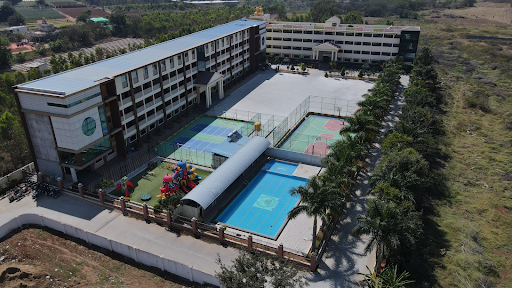
At New Oxford School, the learning environment is structured to support everyday classroom engagement alongside student interaction. Classrooms, activity areas, and shared spaces together create the setting in which students experience their early years of education.
Inside classrooms, lessons are supported through discussions, assignments, and collaborative tasks that allow students to interact with concepts in a structured learning environment. The routine of daily school life including assemblies, classroom sessions, activity periods, and peer interaction helps students gradually develop discipline and communication skills.
School spaces also influence how students connect with each other. Classrooms, corridors, and activity areas naturally become places where students build friendships, participate in group work, and learn social cooperation. Another aspect shaping the school environment is the surrounding community. Schools located in growing residential areas often serve as community spaces where families, teachers, and students remain connected through events, academic programs, and school activities.
For parents exploring the best schools in Bangalore, institutions such as New Oxford School (NOS), Sarjapur become part of the larger conversation about how physical learning environments, school culture, and daily student experiences contribute to a child’s early educational journey.
Conclusion
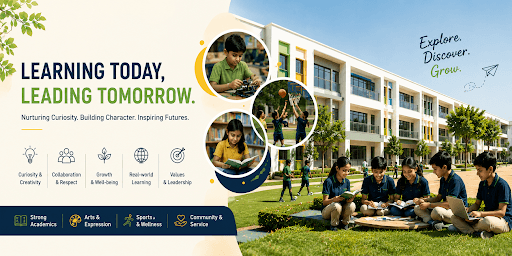
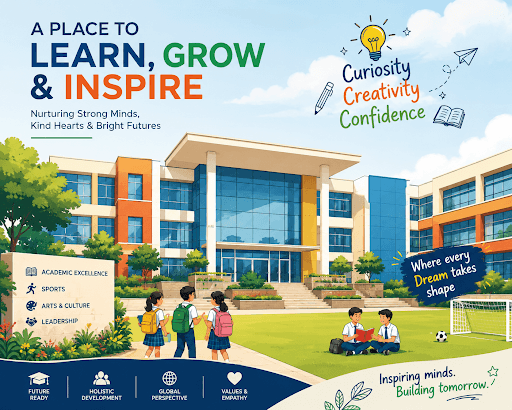
In the early years of education, learning is shaped by more than lessons alone. The spaces where children spend their school days quietly influence how they explore, interact, and grow. Classrooms, playgrounds, activity areas, and shared spaces together create an environment that supports both academic development and social learning.
When schools design spaces that encourage curiosity, comfort, and collaboration, students often feel more connected to the learning process, and in growing cities like Bangalore, schools such as New Oxford School (NOS), Sarjapur represent how thoughtfully structured learning environments can support the early educational journey of young students, one classroom experience at a time.
If you’re considering one of the best schools for your child, you can explore a list of top schools in Bangalore for better clarity.











 as a preferred source on