








Let me start with something simple. When we talk about schools, we usually discuss curriculum, infrastructure, exam results, or rankings. But rarely do we pause and ask what does the school feel like? What is the energy in the corridors? How do teachers speak to students? How do students speak to each other?
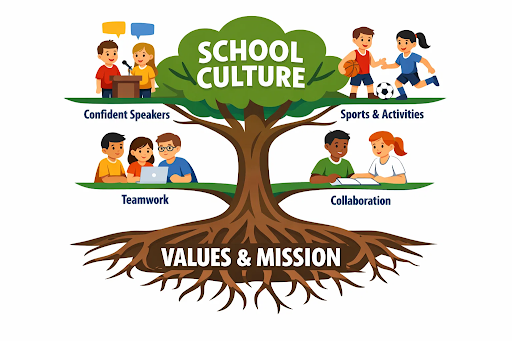
That invisible atmosphere is called school culture. And honestly, it shapes children more deeply than we often realize. School culture is not written only in rule books or mission statements. It is reflected in morning assemblies, classroom discussions, sports events, how mistakes are handled, and how achievements are celebrated. It is the collective mindset that quietly influences confidence, behaviour, ambition, and even long-term success.
According to a report by the OECD, students who feel a strong sense of belonging at school perform significantly better academically and show 30% higher motivation levels. That statistic alone tells us something important: culture isn’t decorative. It is foundational.
Yes, it is obvious that you will choose the best school in Bangalore for your kid, but it is important that you consider certain factors while making this decision. Read this article to know more!
Also Read | The Oxford Advantage Curriculum: A Superior Quality Education for the Digital Age
Here’s How School Culture Shapes Student Confidence and Success

1. Confidence Begins with Belonging
Imagine a child entering school for the first time. They may not remember the first worksheet they completed, but they will remember how they were treated. Were they encouraged to ask questions? Were their small achievements acknowledged? Did someone notice when they were struggling?
When a school culture promotes respect, encouragement, and inclusivity, confidence grows naturally. It does not need to be forced. Research from the American Psychological Association suggests that students who feel emotionally safe in school environments are 45% more likely to participate actively in class discussions. Participation leads to clarity. Clarity builds competence. And competence strengthens confidence.
Confidence, in this sense, is not loud or aggressive. It is steady. It is the quiet belief that “I can try.” And that belief begins with culture. Sometimes we underestimate how powerful small encouragements can be. A teacher saying, “That’s an interesting thought,” or a classmate clapping during a presentation, might seem minor. But for a child, it can change everything.
2. Academic Success Is More Than Marks
Now let’s address something important. Success in modern education is no longer defined only by exam scores. While academic performance remains essential, employers and universities increasingly value soft skills such as adaptability, collaboration, and leadership.
A 2023 global workforce survey revealed that 70% of employers prioritize communication and teamwork skills over technical expertise alone. Where do these skills develop? They develop in schools that encourage open dialogue, project-based learning, sports participation, and leadership opportunities. They develop in cultures where students are not afraid to express ideas or take initiative.
A rigid environment may produce high scores. But a supportive, progressive culture produces well-rounded individuals. And in the long run, that makes a difference.
3. The Role of Vision and Mission in Shaping Culture
Every strong school culture begins with clarity of vision. A school’s vision and mission statements are not meant to decorate brochures. They are guiding principles that shape decisions, policies, and daily interactions. When implemented sincerely, they influence everything from teaching styles to disciplinary approaches.
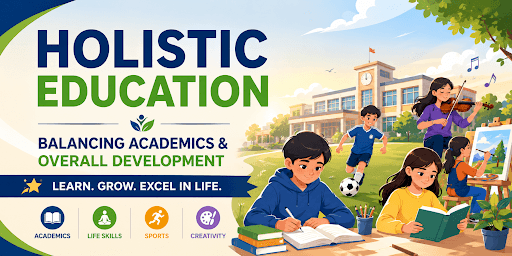
If a school’s mission emphasizes holistic development, you will see a balanced focus on academics, sports, arts, and community engagement. If it emphasizes integrity and responsibility, you will notice students being guided toward accountability and ethical decision-making.
But here is something interesting. A vision is powerful only when it is lived daily. Students can sense authenticity. They know when values are genuinely practiced and when they are merely displayed on walls. And when values are practiced consistently, students internalize them.
The Link Between Culture and Long-Term Success
Studies have consistently shown that positive school climates correlate with lower dropout rates and higher academic achievement. According to UNESCO, schools that foster inclusive and supportive cultures see up to 20% improvement in student engagement levels.
Engagement leads to persistence. Persistence leads to achievement. More importantly, students who grow in positive school cultures often carry those values into adulthood. They become collaborative professionals, empathetic leaders, and confident communicators. And that, perhaps, is the ultimate purpose of education.
Why Parents Should Pay Attention to Culture?
When parents evaluate schools, infrastructure, and results are naturally important. But it may be equally important to observe how teachers interact with students, how discipline is implemented, and how success is celebrated.
Does the school encourage curiosity? Does it support individuality? Does it nurture resilience instead of punishing mistakes harshly? These questions reveal culture. A school like New Oxford School, with its clearly defined vision and mission, highlights how intentional values can shape student experiences positively. When culture is guided by purpose rather than convenience, confidence becomes a natural outcome.
Check Out | Confidence is Key: Vision for Student Success
Where New Oxford School Brings Vision to Life
Now let’s connect this to a real example. New Oxford School demonstrates how a clearly defined vision and mission can shape school culture in meaningful ways. The institution places emphasis on academic excellence while also nurturing discipline, responsibility, and moral values.
What stands out is the alignment between stated objectives and practical implementation. The school environment encourages structured learning while fostering individual growth. Teachers play the role of mentors, not just instructors. Students are guided not only toward academic achievement but toward becoming responsible and confident individuals.
The emphasis on holistic development ensures that confidence is built through multiple channels classroom participation, extracurricular activities, leadership roles, and collaborative projects. When a school’s culture aligns with its mission, students feel direction. And direction builds clarity.

The Link Between Culture and Long-Term Success
Studies have consistently shown that positive school climates correlate with lower dropout rates and higher academic achievement. According to UNESCO, schools that foster inclusive and supportive cultures see up to 20% improvement in student engagement levels.
Engagement leads to persistence. Persistence leads to achievement. More importantly, students who grow in positive school cultures often carry those values into adulthood. They become collaborative professionals, empathetic leaders, and confident communicators. And that, perhaps, is the ultimate purpose of education.
Why Parents Should Pay Attention to Culture?
When parents evaluate schools, infrastructure and results are naturally important. But it may be equally important to observe how teachers interact with students, how discipline is implemented, and how success is celebrated.
Does the school encourage curiosity? Does it support individuality? Does it nurture resilience instead of punishing mistakes harshly? These questions reveal culture. A school like New Oxford School, with its clearly defined vision and mission, highlights how intentional values can shape student experiences positively. When culture is guided by purpose rather than convenience, confidence becomes a natural outcome.
The Final Thoughts
If I had to explain it simply to you, I would say this school culture is the silent architect of a child’s future. Curriculum provides knowledge. Infrastructure provides facilities. But culture provides identity.
It teaches students how to think about themselves. How to approach challenges. How to treat others. And in a world that is constantly evolving, children need more than information. They need confidence. They need adaptability. They need resilience. When schools consciously shape culture through clear vision and mission, they are not just preparing students for exams. They are preparing them for life. And honestly, that is what truly defines success.
If you want to know more about this and other nearby boarding schools, then check out the list of the top Schools in Bangalore.


















 as a preferred source on