








The early years of a child’s life are more than just the beginning of school—they are the foundation for everything that follows. From brain development to emotional resilience, the experiences a child has between the ages of 0 and 5 shape how they learn, grow, and interact with the world.
At Manav Rachna International School (MRIS), one of the best schools in Gurugram, the early years are more than just the start of a child's educational journey—they are seen as a time for wonder, exploration, and joyful learning. The school believes that these formative years are essential for building the foundation of a child’s future success, both academically and personally. Understanding the crucial role of these early experiences, MRIS Sector 51 has designed an environment that fosters a deep sense of security, happiness, and curiosity in young learners.
In this article, we explore why the early years are so critical—and how MRIS, Sector 51, Gurugram, ensures every child starts strong.
Also Read | Why Community Service Matters: Learn with MRIS Sector 51 GurugramWhy the First Five Years Matter Most
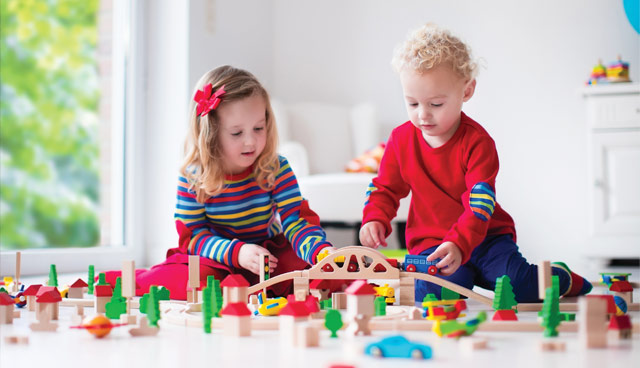
The first five years of a child’s life are crucial for brain development, with 90% of brain growth occurring during this period. This rapid growth means that the experiences children have in these early years play a pivotal role in shaping their future cognitive, emotional, and social abilities.
During these early years, the brain forms the foundational neural connections that influence how children think, learn, and interact with others. Every interaction—whether it's a conversation with a caregiver, playing with a toy, or exploring a new environment—helps build these connections. For instance:
- Language Development: Early exposure to language, whether spoken or through listening to stories and songs, helps children develop their vocabulary and communication skills. These early language experiences lay the groundwork for reading and writing abilities later in life.
- Memory: Children start to form both short-term and long-term memory during these years. Positive experiences, such as being read to or engaging in interactive learning, help children build memory skills, which are essential for academic achievement.
- Social Skills: Interactions with caregivers, teachers, and peers help children learn how to express emotions, share, cooperate, and resolve conflicts. These social skills are critical for their success, not just in school, but throughout their lives.
Nurturing Creativity and Curiosity as Core Learning Drivers
Curiosity is the natural starting point for all meaningful learning, and when nurtured early, it evolves into a lifelong habit. Children who are encouraged to ask questions, explore freely, and experiment without fear grow into resilient, innovative thinkers.
Engaging in creative activities—whether through storytelling, imaginative play, or art—helps them express complex emotions, understand the world around them, and build essential emotional intelligence from a young age.
Learning Through Play: A Natural Pathway
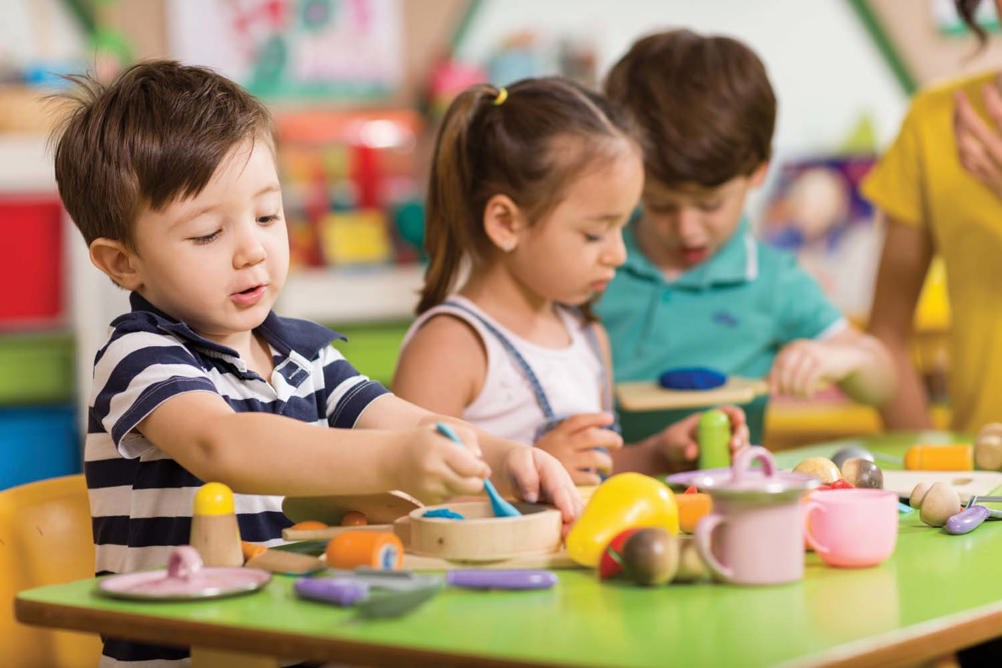
Play is more than just fun for young children—it’s how they learn, explore, and make sense of the world around them. Through imaginative and hands-on play, children build problem-solving and cognitive skills, whether they’re stacking blocks, pretending to be doctors, or navigating make-believe scenarios.
These activities also strengthen both gross motor skills, like running or balancing, and fine motor skills, such as drawing or gripping a pencil. Unstructured play encourages independence, allowing children to make decisions and express themselves freely, while guided play helps them learn important social behaviours like sharing, taking turns, and working with others, all within a joyful and nurturing setting.
Theme-Based Learning for Deeper Engagement
Theme-based learning connects subjects to real-life topics, making learning more engaging and relevant for young children. By focusing on familiar themes, children develop a deeper understanding of concepts and strengthen their curiosity.
- Relevance to Real Life: Topics like "My Family" or "Nature Around Me" help children relate what they’re learning to their own lives. This connection makes learning more meaningful and sparks their interest in exploring new ideas.
- Conceptual Clarity: By integrating different subjects around a central theme, children can see how concepts from various areas—like math, science, and language—connect to one another. This approach helps build a stronger, clearer understanding of what they’re learning.
- Encouraging Inquiry and Cross-Disciplinary Thinking: Theme-based learning encourages children to ask questions and explore topics from different perspectives. This fosters curiosity and promotes cross-disciplinary thinking, helping children see the bigger picture and develop critical thinking skills.
- Performing Arts: Performing arts play a vital role in early childhood development, offering children a fun and expressive outlet for learning. Activities like drama, music, and group dance help children build communication and cooperation skills, teaching them how to express ideas clearly, share space, and collaborate with others.
Manav Rachna International School: Where Joyful Learning Begins
Ranked among the top early childhood education providers in Gurugram, MRIS offers a thoughtfully designed early years program that goes beyond academics. The school nurtures each child’s natural love for learning while building essential life skills for the future.

At MRIS Sector 51, one of the best CBSE schools in Gurugram, the early years program is grounded in the belief that learning should be joyful, purposeful, and child-centric. Every element—from the classroom layout to the curriculum—is designed to spark curiosity and support holistic growth.
- Joyful Learning Environment: Classrooms are filled with light, colour, and materials that invite hands-on exploration. The atmosphere is warm and welcoming, where every child feels seen, safe, and supported. Learning is guided, but never forced, making space for every child’s natural rhythm.
-
Integration of Performing Arts & Play: Children engage in music, dance, drama, and storytelling as part of their daily routine. These expressive forms build language, creativity, and confidence from a young age. Structured play sessions enhance communication, teamwork, and emotional understanding.
-
Theme-Based Curriculum for Holistic Development: Every month revolves around a thoughtful theme that integrates language, math, science, and life skills. This approach fosters curiosity, encourages connections, and deepens understanding. It ensures learning is meaningful, age-appropriate, and easy to relate to real life.
-
Building Confidence and Competence Early On: Teachers give individual attention to every child, respecting their pace and style of learning. There’s a strong focus on emotional safety, peer bonding, and building a sense of self-worth. Children develop not just skills, but the confidence to use them independently.
At MRIS, the first five years aren’t rushed or overlooked—they are honoured, celebrated, and made meaningful, because strong beginnings build bright futures.
For more information on this and other such schools in the area, check out this list of the best schools in Gurugram.
 as a preferred source on