








The early years of childhood are the most important phase for building a child’s cognitive, emotional, social, and physical foundation. At this stage, children learn through exploration, curiosity, and imaginative play. The right kind of preschool environment can help shape their personality, behavior, and lifelong love for learning.
Manav Rachna International School, Sector 46, Gurugram, a leading IB-affiliated co-educational institution, is deeply committed to nurturing its youngest learners through child-centric and purposeful pedagogies. MRIS is one of the best IB schools in Gurugram, recognized for blending traditional values with innovative, play-based, and inquiry-driven teaching strategies that foster holistic growth in children.
This article explores how MRIS 46, one of the best schools in Gurugram, uses early years pedagogies like experiential learning, storytelling, hands-on activities, and theme-based instruction to make education more engaging and meaningful. It highlights how these methods go beyond traditional academics and support a child’s overall development.
Also Read | A New School Experience with MRIS Sector 46's IB Launch
What Parents Expect from Early Childhood Education
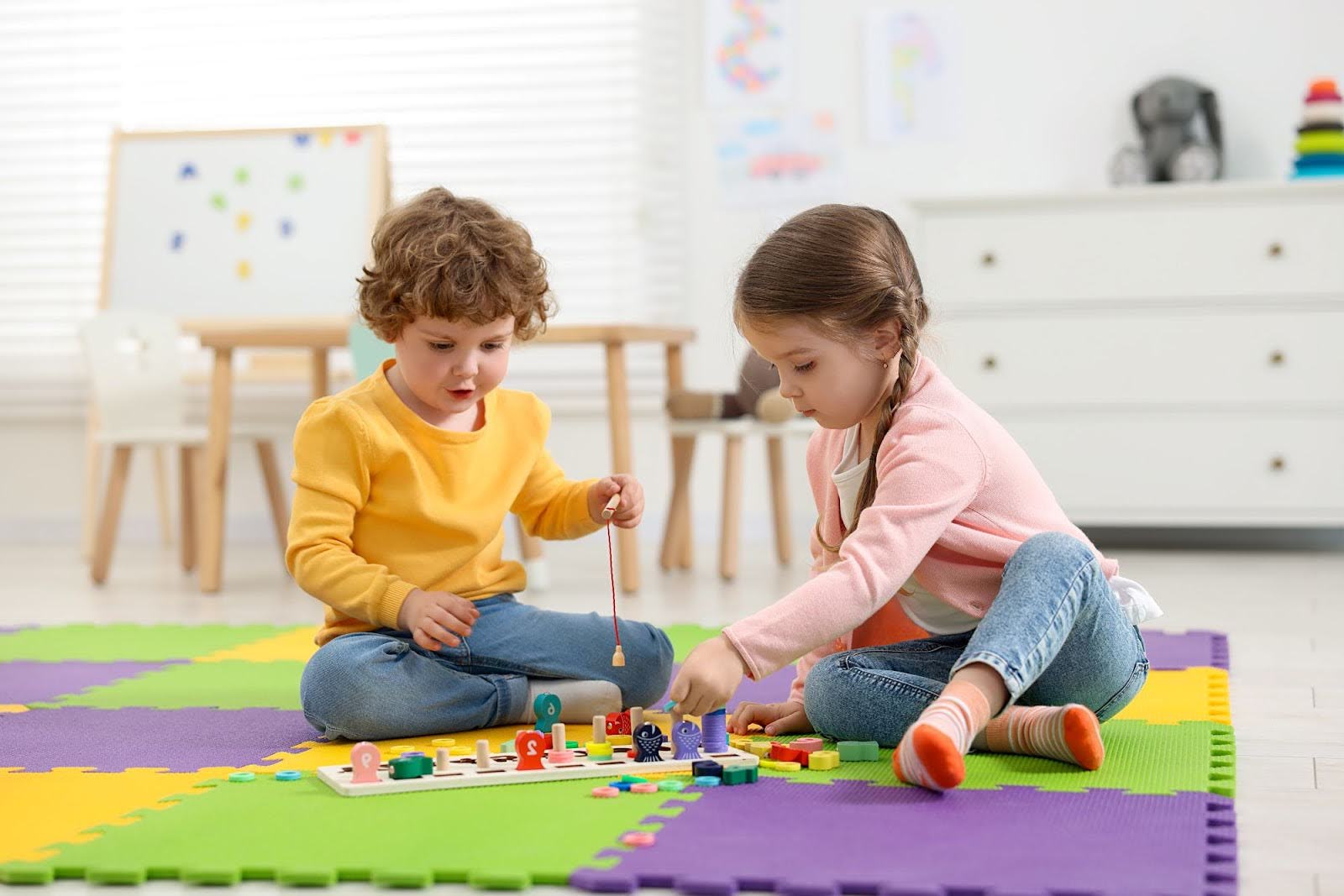
Parents today look for more than just a structured academic setup. They want a learning environment where their child feels emotionally safe, creatively engaged, and socially prepared. Understanding these expectations helps schools create spaces where children can truly thrive.
Let’s explore the key areas parents usually prioritize:
-
A Balanced Approach to Growth: Parents seek programs that balance cognitive development with emotional well-being. They want their children to not only recognize letters and numbers but also grow into confident, kind, and expressive individuals.
-
Safe and Inclusive Classrooms: A child's learning space should feel like a second home. It must promote acceptance, emotional safety, and joyful exploration, encouraging every child to express freely and build trust with teachers and peers.
-
Age-Appropriate and Creative Teaching: Young minds engage best with hands-on activities, games, and storytelling. Instruction that aligns with their age and natural curiosity makes learning more meaningful and fun.
-
Strong Home-School Partnership: Open communication between educators and parents builds trust. Regular updates, involvement in events, and shared goals help ensure that both home and school are working together for the child’s benefit.
-
Blending Structure with Freedom: Children need routines to feel secure, but they also need the freedom to imagine and explore. A good mix of both helps nurture discipline while allowing creativity to flourish.
-
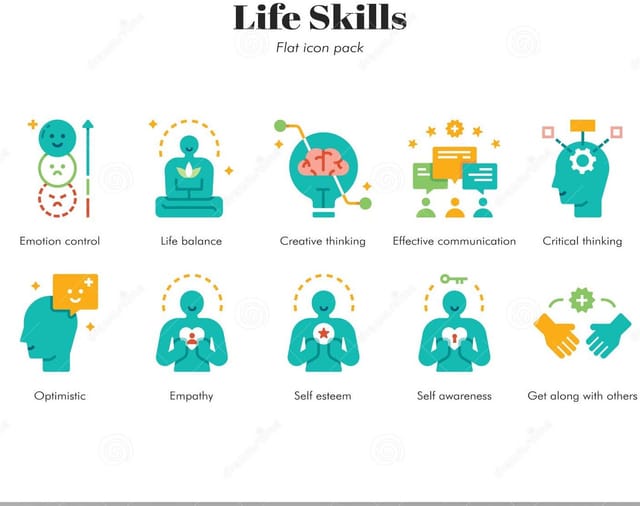
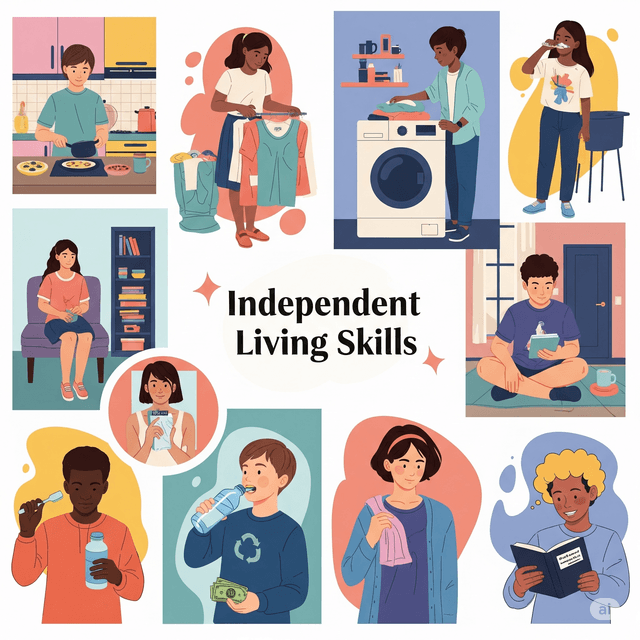
Focus on Life Skills: Beyond academics, parents value the development of basic life skills such as sharing, patience, coordination, and responsibility, which form the base of good character and social behavior.
These expectations reflect how parents increasingly view early education not just as preparation for school, but as preparation for life.
Pedagogies That Shape Young Minds
The learning methods used during early childhood play a crucial role in a child's growth. Effective pedagogies match the way children naturally explore the world through curiosity, play, and hands-on experiences. The goal is to build a love for learning that lasts.
Here are some key teaching methods that align with a child’s developmental needs:
-
Play-Based Learning: Play is not just fun; it's how children learn best. Whether through role-playing, puzzles, or outdoor games, play-based learning promotes imagination, problem-solving, and social interaction. It lays the foundation for academic and personal growth.
-
Child-Centered Approach: Children learn more when they’re involved in choosing how they learn. A child-centered classroom allows them to follow their interests, encouraging independence and a strong sense of self.
-
Inquiry-Driven Exploration: Asking questions is a sign of thinking. When children are encouraged to ask, explore, and find answers, they build curiosity and learn how to think critically, skill that benefits them for life.
-
Theme-Based Instruction: When learning is tied to themes like “My Family,” “Seasons,” or “Nature Around Me,” children understand concepts better. Themes help create connections between ideas and make learning more meaningful.
-
Storytelling and Creative Expression: Through stories, music, art, and movement, children develop language, emotions, and imagination. These creative outlets help them communicate, relate, and understand their inner world.
-
Hands-On Learning: Using materials they can touch, build, or experiment with helps children understand ideas physically. Whether it’s sorting blocks, gardening, or drawing shapes, hands-on learning strengthens understanding and fine motor skills.
These methods ensure that children don’t just remember what they learn, but enjoy the process and apply it in everyday life.
How These Practices Foster Growth
The true measure of a good early education program lies in how it supports holistic development, building the mind, body, heart, and spirit. The right pedagogies lead to visible, positive changes in a child’s behavior and understanding.
Here’s how:
-
Improved Communication and Language: Activities like singing, storytelling, and group play enhance vocabulary, pronunciation, and confidence in expressing thoughts.
-
Emotional and Social Maturity: Children learn to manage emotions, express feelings, and interact with others through guided peer engagement, laying the foundation for empathy and resilience.
-
Stronger Thinking and Problem-Solving: By exploring “how” and “why,” children become natural thinkers. They gain the confidence to make choices, solve problems, and express their ideas clearly.
-
Physical and Motor Skill Development: Movement-based activities, whether running, threading beads, or finger painting, refine both gross and fine motor skills while supporting brain development.
-
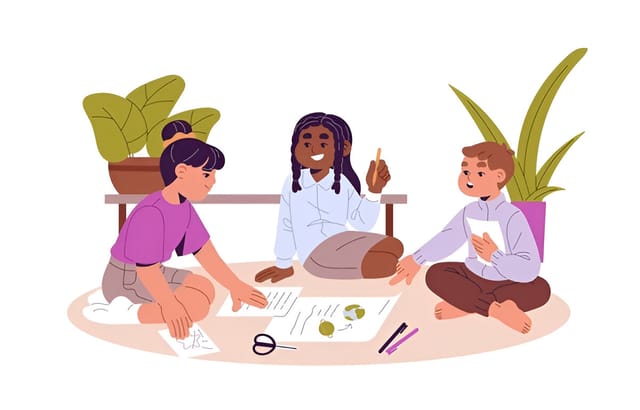
Teamwork and Leadership: Collaborative activities like group games and classroom projects teach children how to work in a team, listen to others, and take initiative when needed.
-
Positive Learning Attitude: When learning feels like play, children develop a lifelong love for it. They begin seeing school as an exciting space for discovery and creativity.
These outcomes ensure that children not only succeed in school but are well-equipped to adapt, grow, and thrive in any setting.
Check out| Developing Young Learners through MRIS’ Young Learners Approach
Manav Rachna International School, Sector 46 Gurugram: Building Bright Foundations through Purposeful Early Learning
Manav Rachna International School, Sector 46, located in Greenwood City, Gurugram, is a CBSE and IB-affiliated co-educational institution offering classes from Pre-Nursery to Grade XII. One of the best schools in Sector 46, Gurugram, MRIS is known for its child-friendly infrastructure and innovative learning spaces.
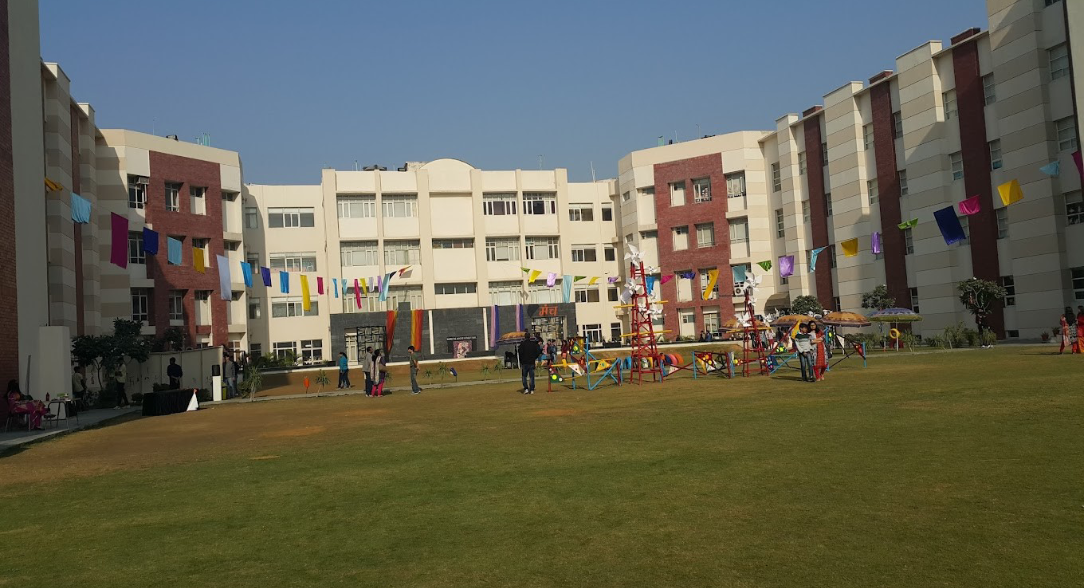
Spread over five acres, the campus includes smart classrooms, storytelling corners, sensory zones, Legoland play areas, innovation labs, and dedicated indoor-outdoor activity zones that support hands-on learning and early cognitive development. The school implements a thoughtfully curated early childhood program that blends play-based learning with child-centered approaches.
Daily routines at MRIS are filled with interactive experiences like guided storytelling, music and movement, outdoor exploration, and theme-based lessons. The curriculum integrates the Multiple Intelligences theory, the 5E Learning Cycle (Engage, Explore, Explain, Elaborate, Evaluate), and project-based learning, ensuring that each child learns through their own unique strengths while gaining essential life skills and confidence.
At MRIS 46, the learning environment is warm, inclusive, and deeply supportive. Teachers serve as mentors who closely observe and guide each child’s growth with empathy and care. The school emphasizes building strong emotional connections, encouraging self-expression, and celebrating every milestone. Regular parent-teacher collaboration, individual progress tracking, and a positive classroom culture together create a nurturing foundation for lifelong learning.
For more information on this and similar schools in the area, check out this list of the best schools in Gurugram.








 as a preferred source on