







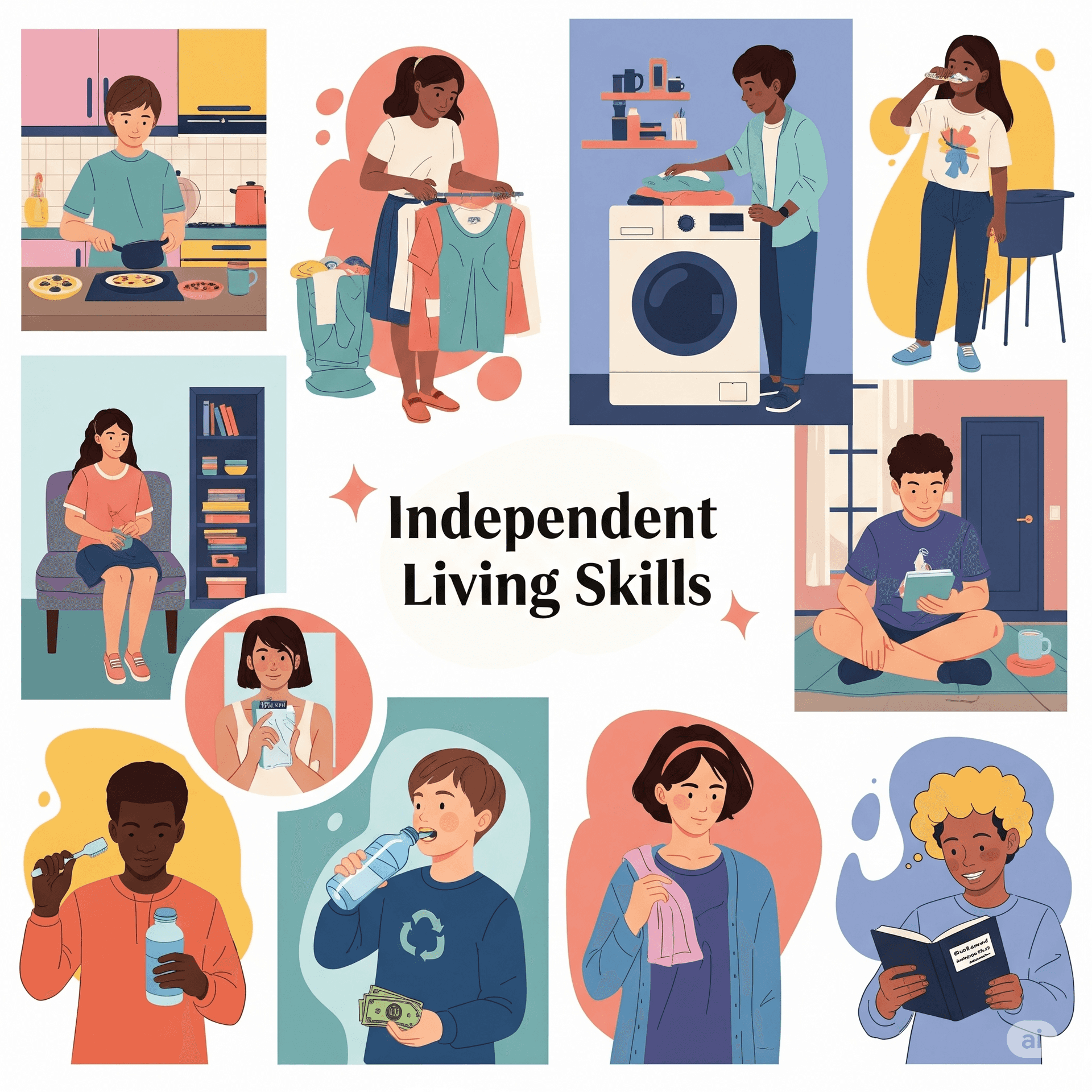

Success today is shaped by more than academics- it relies on practical life skills that build confidence and independence. Teaching children how to make decisions, manage time, take responsibility, and communicate effectively sets the foundation for confident adulthood.
At The Academic City School, Bangalore, one of the best boarding schools in India, developing independent learners lies at the foundation of its teaching values.The school doesn’t just educate, it empowers.
In this article, we’ll explore what independent living skills are, why they matter, how schools shape self-reliant individuals, and why boarding environments- especially TACS Bangalore- give students the edge.
Also Read | Can Individualized Learning Help Your Child Thrive? Explore with TAC Bangalore
What Are Independent Living Skills and Why Do They Matter?
Independent living skills are the practical and emotional abilities that help individuals take care of themselves, make responsible choices, and function confidently in the real world. These skills include everything from managing time and finances to communicating effectively and handling responsibilities- forming the bedrock of adulthood.
When students learn to live more independently, they begin developing essential life tools that stay with them far beyond school. These skills lay the foundation for lifelong confidence, decision-making, and emotional growth.
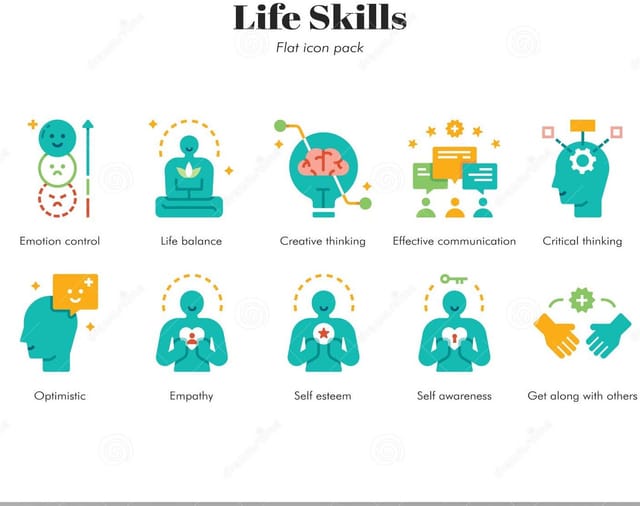
Here are some of the foundational abilities that stem from independent living training:
-
Decision-making: Builds accountability
When students are allowed to make everyday choices- like organizing their routine or solving a personal problem- they begin to understand the outcomes of their actions. This builds a sense of responsibility and equips them to make wiser, well-thought-out decisions.
-
Time management: Encourages structure
Independent routines teach students how to prioritize tasks, stick to schedules, and meet deadlines without constant supervision. Over time, this helps them become more organized and self-directed.
-
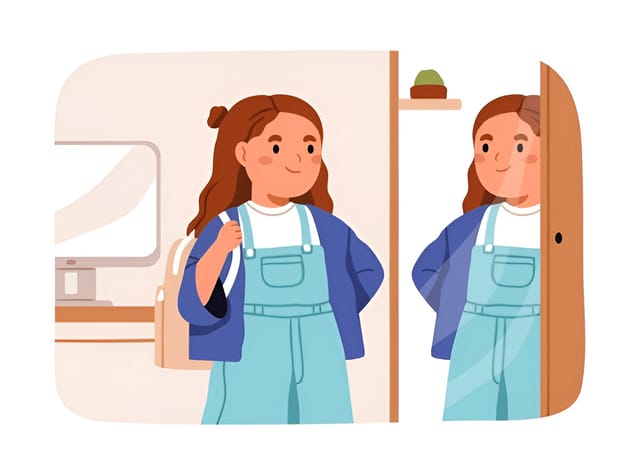
Self-care: Promotes personal responsibility
Managing hygiene, dressing appropriately, or remembering to drink water might seem small, but mastering these habits gives students ownership of their well-being, a vital step toward responsible adulthood.
-
Communication: Fosters clarity and connection
Independent living encourages students to communicate their needs, voice their opinions, and handle conflicts autonomously. These experiences sharpen their communication skills and help them build stronger, more effective relationships.
-
Financial awareness: Instills planning and value
When students begin managing small budgets- like handling pocket money or participating in budgeting activities- they learn the basics of financial responsibility, saving, and long-term planning.
The School’s Role Beyond Academics

Schools are uniquely positioned to shape young people into capable, self-sufficient adults, not just academic achievers.
Development: How schools help nurture independence:-
- Structured routines:
Daily timetables, class schedules, and planned activities provide students with a predictable structure. This consistency teaches them time management and helps them take ownership of their day-to-day responsibilities.
- Problem-solving tasks:
Group projects, debates, and real-world problem-solving activities challenge students to think critically and make decisions independently. These experiences strengthen their ability to handle unexpected situations with confidence.
- Leadership roles:
Opportunities like becoming a prefect, house captain, or leading a school club teach students how to take initiative, guide their peers, and work as part of a team. Such roles foster accountability and self-reliance.
- Mentorship:
Teachers play the dual role of guiding and stepping back to allow students to make their own choices. Through balanced mentoring, students learn how to handle responsibility while feeling supported.
- Reflection:
Activities such as journaling, goal-setting exercises, and feedback sessions encourage self-awareness. Students learn to assess their own growth, recognize areas for improvement, and celebrate personal achievements.
Why Boarding Schools Have an Edge in Teaching Independence
Boarding schools offer a unique setting where students learn to thrive without constant parental supervision. This naturally fosters independence.
They do this via:-
-
Daily responsibility:
Students are in charge of their daily routines, from managing their schedules to organizing personal belongings and handling simple chores. These tasks build a habit of self-discipline and accountability.
-
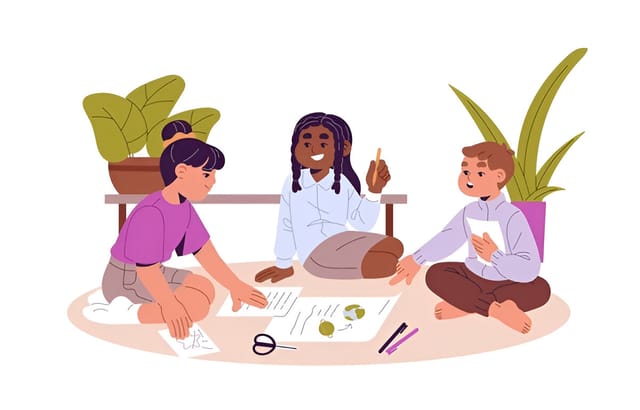
Peer learning:
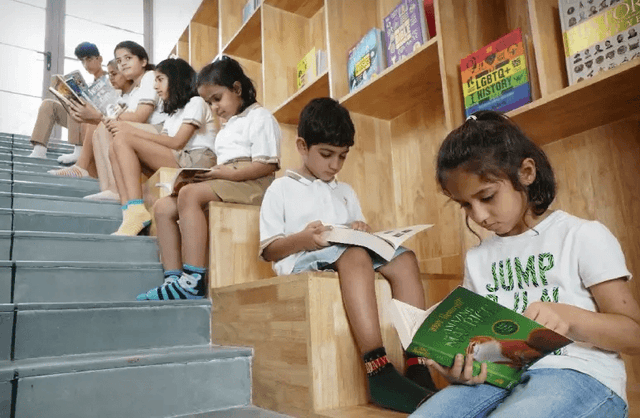
Living in a close-knit community teaches students cooperation, empathy, and teamwork. They learn to navigate differences, share responsibilities, and build meaningful relationships with peers.
-
Accountability:
Being away from home helps students take ownership of their actions and decisions. They understand the importance of making the right choices as they adapt to an independent lifestyle.
-
Crisis management:
From resolving conflicts with peers to facing unexpected challenges, boarding life teaches students how to stay calm under pressure, think critically, and find solutions independently.
-
Time efficiency:
With academic resources, extracurricular activities, and living arrangements all in one place, students save time on commuting. This focused environment helps them prioritize personal development and learning.
Check Out | Healthy Living Practices in Boarding School Life
The Academic City School, Bangalore (Boarding): A Campus That Cultivates Independence
Established in 2015, The Academic City School, Bangalore, one of the best boarding schools in Karnataka, is a premier CBSE co-educational school offering classes from Grade 4 to 12. Set on a lush 9-acre campus, the school balances modern infrastructure with values-driven education. Classrooms are well-equipped, and the environment is purposefully designed to support self-reliant growth.
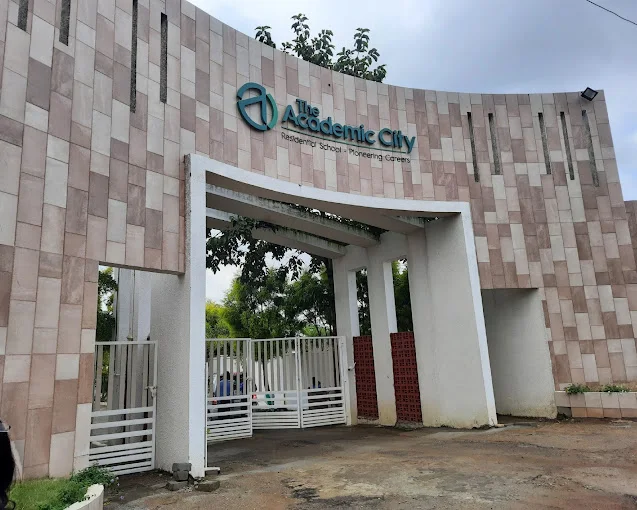
With a student-teacher ratio of 10:1, the school ensures personalized attention, allowing teachers to become mentors in students’ life journeys. The boarding experience at TACS encourages collaboration, accountability, and confidence- key traits of future-ready individuals.
At TACS Bangalore, independence isn’t taught as a subject- it’s lived every day. From self-managed study schedules to leadership roles in clubs and events, students are empowered to take ownership of their learning and life.
Supportive hostel staff, structured routines, and value-based education help students develop both discipline and emotional resilience. Whether it's managing a daily schedule or taking initiative in class projects, students at TACS Bangalore learn how to thrive on their own- and with each other.
For more information on this and other such schools in the area, check out this list of the best boarding schools in India.











 as a preferred source on