








Have you ever noticed how some students wait to be told what to do, while others naturally take charge of their learning? The difference often lies not in ability, but in how learning environments encourage independence. In a rapidly changing digital world, the ability to think independently, manage one’s own work, and stay motivated has become just as important as academic knowledge.
Parents today are increasingly aware that future-ready education must go beyond fixed schedules and rote instruction. Students need opportunities to explore, experiment, and learn through experience, developing ownership of their learning journey rather than depending solely on external direction.
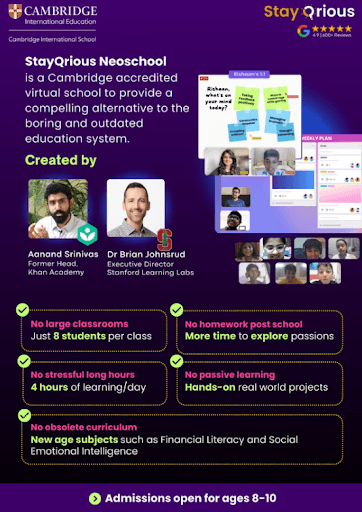
This article explores the importance of independence and self-learning in modern education, how self-directed learning builds critical life skills, and how StayQrious Neoschool, one of the best online schools in India takes pride in fostering learner autonomy through a project-based digital model that empowers students to plan, reflect, and grow with confidence.
Also Read | Fix the Employability Gap for Students with StayQrious Neoschool
Why Independence and Self-Learning Matter in Today’s Education
Education today is no longer limited to absorbing information delivered by a teacher. With knowledge easily accessible through digital platforms, the real challenge for students is learning how to learn. Independence and self-learning play a crucial role in helping students navigate this shift and prepare them to thrive in both academic and real-world environments.
A strong focus on learner independence supports students in several important ways:
- Builds responsibility for learning: When students take ownership of their work, they learn to manage deadlines, stay accountable, and understand the consequences of their choices. This sense of responsibility strengthens discipline and self-control.
- Encourages critical thinking: Self-learning prompts students to ask questions, explore solutions, and evaluate outcomes rather than waiting for ready-made answers. This process sharpens reasoning and analytical skills.
- Develops intrinsic motivation: Independent learners are driven by curiosity rather than constant supervision. They begin to learn for understanding and growth, not just grades or external approval.
- Prepares students for lifelong learning: As careers and industries evolve, individuals must continuously adapt. Students who learn independently early on are better equipped to upskill, reskill, and stay relevant throughout life.
By nurturing independence in education, schools help students move from passive participation to active ownership, laying the foundation for confidence, resilience, and continuous growth.
How Project-Based Learning Strengthens Self-Directed Growth
Project-based learning places students at the center of their education by shifting the focus from passive instruction to active creation and problem-solving. Instead of completing isolated assignments, learners work on projects that require planning, execution, and reflection, mirroring how learning happens in real life.
This approach strengthens self-learning in meaningful ways:
- Encourages planning and goal-setting: Projects require students to break down tasks, set timelines, and define clear objectives. This teaches them how to organize work independently and manage time effectively.
- Builds problem-solving skills: Real-world projects rarely have one correct answer. Students must analyze challenges, test ideas, and revise their approach, developing resilience and adaptability along the way.
- Promotes critical thinking: Learners evaluate information, make decisions, and justify their choices throughout a project. This process deepens understanding and moves learning beyond memorization.
- Supports reflection and improvement: Project-based learning encourages students to review what worked, what didn’t, and how they can improve. Reflection helps learners take ownership of progress and recognize growth.
Through projects, students experience learning as an ongoing journey rather than a checklist of tasks. They gain confidence in their ability to direct their efforts, solve problems independently, and take pride in outcomes they have shaped themselves.
The Role of Digital Learning Environments in Building Independence
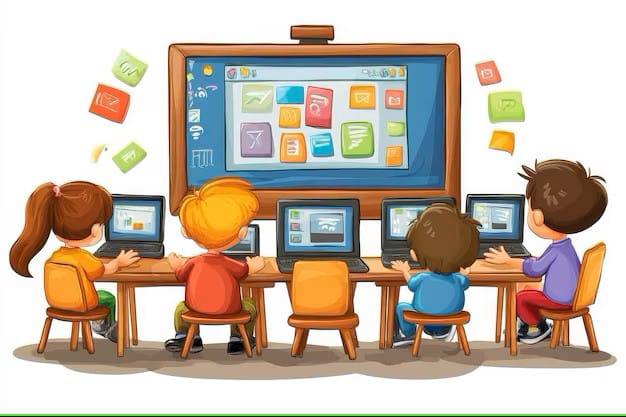
Digital learning environments naturally shift responsibility from the teacher to the learner. With lessons, resources, and tasks accessible online, students are required to manage their time, pace their learning, and stay engaged without constant supervision. This structure plays a powerful role in developing independence.
Well-designed digital learning environments support self-learning by:
- Encouraging ownership of pace and progress: Students learn to move through content at a speed that suits their understanding, revisiting concepts when needed or advancing when ready. This builds confidence and accountability.
- Promoting self-management skills: Online learning requires learners to plan their schedules, meet deadlines, and balance tasks, skills that are essential for higher education and professional life.
- Making learning interactive and reflective: Digital tools often include quizzes, feedback loops, and interactive activities that allow students to assess their understanding and reflect on progress independently.
- Reducing dependence on constant instruction: Instead of waiting for step-by-step guidance, students learn to explore resources, ask the right questions, and seek solutions on their own, strengthening initiative and self-reliance.
By placing learners in control of their learning journey, digital environments help students develop perseverance, adaptability, and the confidence to navigate challenges independently, qualities that define successful lifelong learners.
Check Out | Learning Through Play: Creating Joyful Experiences at Greater Noida World School, Sigma I
StayQrious Neoschool: Nurturing Independent and Self-Driven Learners
StayQrious Neoschool, one of the best cambridge online schools in India takes pride in building an educational environment where students are encouraged to take ownership of their learning from an early stage. Designed as a digital-first school, StayQrious places independence and self-learning at the heart of its academic model, preparing learners to thrive in a rapidly evolving world.
The school believes that true learning happens when students are given the space to explore, question, and create. Through a project-based digital education approach, learners are guided to move beyond passive consumption of information and actively engage with concepts in meaningful ways.
How StayQrious Neoschool Encourages Learner Autonomy
- Project-driven learning experiences that require students to plan tasks, set goals, and manage timelines independently, building responsibility and ownership.
- Small learning pods that ensure personalised attention while still encouraging collaboration, allowing students to learn from peers without losing their individual voice.
- Interactive feedback mechanisms where mentors guide reflection rather than provide ready-made answers, helping students evaluate their progress and improve continuously.
- Real-world challenges and applications that connect learning to practical situations, strengthening problem-solving skills and perseverance.
- A flexible digital structure that allows learners to progress at their own pace, encouraging self-motivation and adaptability.
At StayQrious Neoschool, independence is not viewed as isolation, it is supported growth. Students learn how to manage their learning journeys with confidence, developing habits of self-discipline, curiosity, and resilience that extend far beyond academics.
By fostering independence and self-learning through its innovative online model, StayQrious Neoschool empowers students to become proactive learners, critical thinkers, and lifelong explorers, ready for future academic pursuits and evolving career landscapes.
To learn more about this and other schools nearby, see this list of the top online schools.







 as a preferred source on