








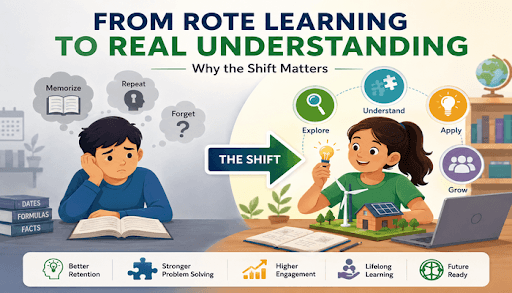
In today’s fast-paced world, it's more important than ever to be able to think and learn on your own. Studies show that adolescents who learn how to learn on their own early on are 40% more likely to do well in college and the workplace. But traditional schools typically have trouble developing these important skills since they focus on memorising facts and taking standardised tests.
The present educational landscape needs a big change to encourage independent thinking, where students take an active role in their learning instead of just receiving knowledge. One of the best online schools in India, StayQrious Neoschool, is leading the way in new ways of teaching that change how kids learn, think critically, and get ready for an uncertain future.
This article looks at the most important parts of autonomous learning, how project-based learning helps people learn how to solve problems in the real world, and how emotional intelligence can help people become self-directed learners. We'll also look at how technology is being used in schools and how forward-thinking schools are changing the way students learn to help them become really independent thinkers.
Also Read | Coding Made Easy: Enjoy Learning at StayQrious NeoSchoolThe Foundation of Independent Learning in Modern Education
Independent learning is more than just doing homework without help. It includes a whole approach to education that puts the student in charge, encourages critical thinking, and teaches skills for lifetime learning that go beyond the classroom.
Understanding Self-Directed Learning
Self-directed learning turns students into active builders of their education. This method helps students create objectives, pick techniques, and look back on their success. Studies suggest that these students get better at metacognition and do better in school. The change needs careful structuring, with teachers gradually giving up authority while putting in place support mechanisms to make sure students have freedom without being overwhelmed.
Key Components of Independent Thinking
Independent thinking is based on a set of connected pillars that help students become confident and able to study. Critical thinking and problem-solving abilities are the most important things to teach children. These skills help them look at material objectively and think of different approaches to solve problems. Students learn how to make decisions when they have choices in how they learn. Students can figure out their strengths and change their techniques by using self-reflection and metacognition to have a better understanding of how they learn.
Project-Based Learning: Building Real-World Problem Solvers
Project-based learning is a new way of thinking about education that goes beyond just studying facts and figures. This method is like what happens in the workplace, where people have to work together and think outside the box to solve tough challenges.
Moving Beyond Traditional Assessments
Traditional tests don't always show the entire range of what students can do. Standardised assessments can only measure certain types of knowledge; they can't measure creativity, teamwork, or the ability to apply what you've learnt in the actual world, which are all important abilities for current jobs. Project-based evaluations give a full picture of how well students are learning by showing how they solve problems and work together. This move towards real assessment makes students much more interested and motivated from within.
The Power of Interdisciplinary Learning
When you break down traditional subject boundaries, you may study more deeply and have real learning experiences. Students need to combine knowledge from many fields because challenges in the real world don't usually fit neatly into one academic field. Students learn to see how diverse professions are related and improve their social skills through interdisciplinary assignments. This way of working together is like how professionals do it and gets pupils ready for tough problems they'll face in the future.
Developing Presentation and Communication Skills
In our connected society, being able to communicate well is becoming more and more vital. Project-based learning naturally gives students chances to share their work and get feedback. Helping students organise their thoughts properly and make logical arguments is the first step in helping them improve their presentation skills. Regular practice in supportive settings helps people feel more confident when speaking in front of others, which helps them feel more confident in other areas of their lives as well.
Emotional Intelligence as a Cornerstone of Self-Learning
Emotional intelligence is very important for learning on your own, yet traditional ways of teaching often don't pay enough attention to it. Students who know how to deal with their feelings are better able to deal with problems at school and stay motivated over time.
Self-Awareness and Emotional Regulation
Being conscious of yourself while studying means knowing how you feel about different topics, problems, and feedback. Students who are aware of their emotional tendencies can learn how to deal with irritation and stay focused. Students who know how to control their emotions can stay calm when learning is hard. Students are more likely to have a development attitude if they know how their emotions affect them and see mistakes as chances to learn instead of failures.
Social Skills for Collaborative Learning
To work well in a collaborative learning environment, you need to have strong social and emotional abilities that go beyond just knowing things. Students need to learn how to deal with group dynamics, settle disagreements in a positive way, and make a real contribution to teamwork.
- Listening and caring: Students learn to listen to what other people have to say and to appreciate diverse points of view without making snap judgments.
- Leadership development: Learning how to lead groups well while valuing each person's input and keeping the team together.
- Constructive feedback: It means giving and getting criticism in ways that help people learn and keep relationships strong.
- Conflict resolution: It is learning how to handle differences professionally and come up with solutions that work for everyone.
As students move through school and into the workforce, where working together is critical, these social skills grow more and more necessary.
Skills for the Future and Technology Integration
Students need to be ready for a world where technology changes quickly; thus, modern education needs to do that. To be ready for the future, you need to do more than just learn how to use technology. You also need to learn how to be flexible, think critically about technology's role, and keep up with new trends that will affect future jobs.
Digital Literacy in Modern Education
Knowing how to use certain software or platforms is only a small part of being digitally literate. It means knowing how technology works, being able to think critically about digital information, and using technological tools well to solve problems. Students need to learn about computational thinking, artificial intelligence, and new technologies that are coming out. With this base, they can quickly learn how to utilise new technologies and make smart choices about how to use them.
Financial Literacy and Life Skills
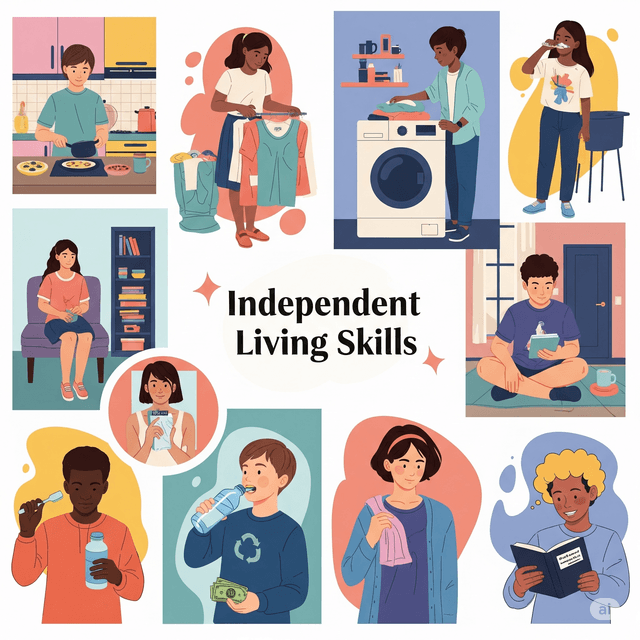
Teaching students about money gives them useful information that they will need for the rest of their lives. Students who learn about budgeting, saving, and starting their own business at a young age are better able to make smart financial choices. Projects and simulations that use real-world situations help people remember and understand abstract topics. Entrepreneurial thinking helps students find possibilities, weigh the risks, and come up with creative solutions that will help them in any job.
Check Out | Shaping Young Minds with Progressive Learning
StayQrious Neoschool: Empowering Students Through Innovative Self-Learning Structures
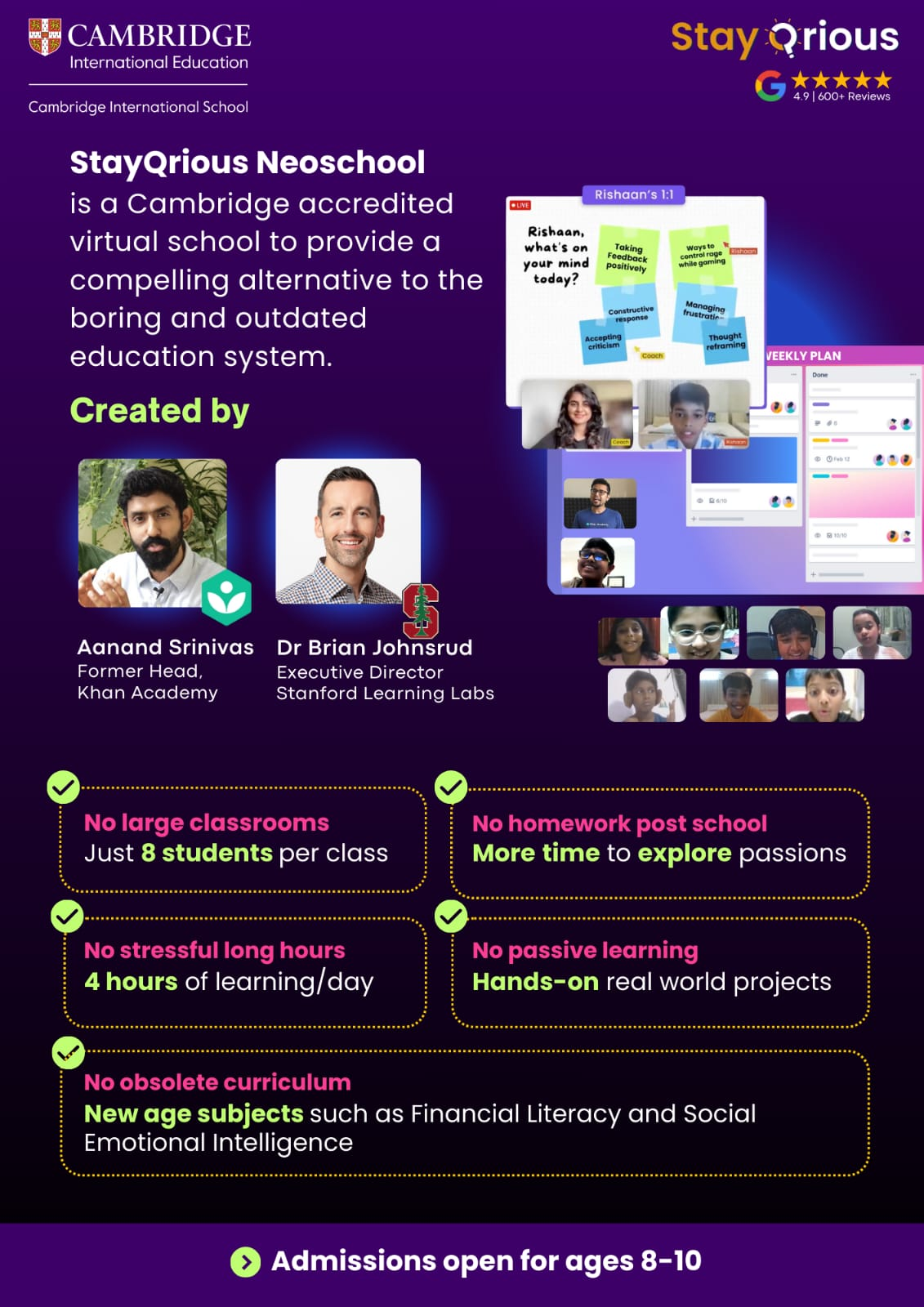
StayQrious Neoschool is a Cambridge IGCSE-approved virtual school that has changed the way people learn online since it opened in 2020. Aanand Srinivas, who used to be the Head of Content at Khan Academy, started the school. Dr. Brian Johnsrud, who is the Executive Director of Learning at Stanford, is in charge of it. The school is a great alternative to traditional ways of learning.
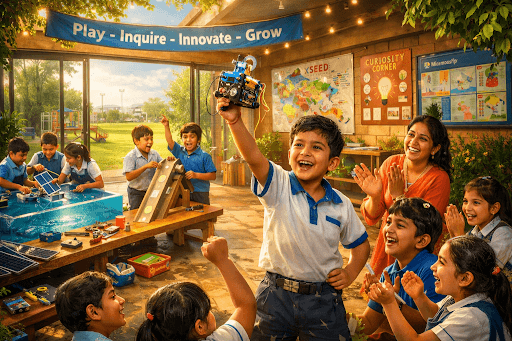
Project-based learning, which links what students learn in school to its practical applications in the real world, is at the heart of the school's distinctive approach. Students work in groups of eight, with coaches who guide them rather than lecture them. This approach ensures that everyone is heard and valued. The method ensures that learning is an active and engaging experience, rather than just absorbing knowledge.
One of the best IGCSE online schools in India, StayQrious Neoschool's curriculum effortlessly combines English, maths, applied science, computational thinking, and social emotional learning through creative projects that cover all of these subjects. While learning important academic and life skills, students might make business strategies for YouTube channels, come up with ways to colonise Mars, or make interactive quiz apps. The school focuses on new areas like artificial intelligence and financial literacy to make sure pupils are ready for the job market of the future.
The school's goal is to help young people become interested, caring, and capable, not just to do well in school. Students establish real communities even though they learn online by meeting in person twice a year. The school is dedicated to emotional intelligence and addressing problems in the real world. This means that its graduates are not only academically qualified, but also truly ready to flourish in a world that is getting more complicated. Apply now to join this cutting-edge school community that is training the leaders of tomorrow.
For more information on this and other online schools, check out this list of the best online schools in India.




 as a preferred source on