







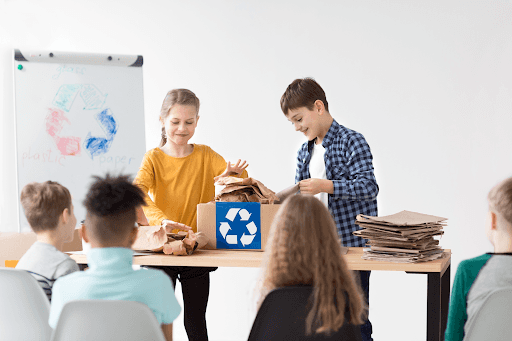

The world is waking up to a pressing reality: sustainability isn't just an adult responsibility—it begins in childhood. As climate challenges intensify and resources deplete, educators worldwide are reimagining early learning to include environmental consciousness alongside academics. The question is no longer whether young children should learn about sustainability, but how deeply and effectively it can be woven into their formative years.
Salwan Montessori School, Gurugram, answers that question with a transformative approach. By integrating NEP 2020 principles, ancient Indian wisdom, and action-driven green initiatives, the school has created a blueprint where children don't just learn about the environment—they live it. In this article, we explore why early childhood is the ideal time for sustainability education, how holistic philosophies enhance learning, and what makes genuinely impactful green schooling different from token gestures.
Also Read: The Ultimate Guide to Choosing the Right After-School Program
Why Early Childhood is the Right Time for Sustainability Education
Young minds are naturally wired for curiosity and wonder. Between ages three and seven, children form habits, values, and perspectives that last a lifetime. This developmental window presents teachers with a golden opportunity to instil environmental responsibility.
The Science Behind Early Learning
Research confirms that 85% of brain development occurs by age six. Neural pathways formed during these years shape how children perceive the world. When sustainability becomes part of daily learning—through gardening, recycling, or mindful consumption—it embeds itself as a natural behaviour rather than a forced obligation.
Building Lifelong Environmental Ethics
Children who engage with nature early develop deeper empathy—not just for people, but for all living beings. Unlike older students who may view sustainability as another subject, young learners absorb it as truth when presented through stories, play, and hands-on activities.
Global Momentum Toward Green Early Education
Countries like Finland, Japan, and New Zealand have pioneered nature-based early education, showing measurable improvements in children's emotional intelligence and environmental awareness. India's National Education Policy 2020 reflects this shift, emphasising experiential learning and holistic development.
The Ancient Meets the Modern: Integrating Wisdom with Innovation
Education doesn't need to choose between tradition and progress. The most effective learning systems blend timeless wisdom with contemporary pedagogy, creating approaches that honour the past while preparing children for the future.
Panchakosha Philosophy in Early Learning
Ancient Indian texts describe human development through five layers—physical, energy, emotional, intellectual, and bliss. This framework recognises that children aren't just brains to be filled with information but whole beings requiring nourishment across all dimensions.
Vasudhaiva Kutumbakam: The World as One Family
This Sanskrit principle naturally aligns with global partnership goals. When children learn that their actions affect others across borders, they develop the empathy necessary for collective environmental action. Storytelling becomes powerful—a tale about a river's journey teaches geography and interconnectedness simultaneously.
From Darkness to Light: Education as Transformation
"Tamaso Ma Jyotirgamaya" captures education's true purpose. It's not about memorising facts but awakening understanding. In the sustainability context, this means moving from ignorance to awareness and from awareness to responsible action through direct experience.
Play-Based Learning: The Foundation of Meaningful Education
Children learn best when they're enjoying themselves. Play isn't frivolous—it's how young brains process complex information, test hypotheses, and build neural connections. When a child builds a dam with blocks and pours water through it, they're exploring engineering, physics, and problem-solving.
NEP 2020's Vision for Foundational Learning
The policy emphasises activity-based learning over rote memorisation, mother tongue instruction, and developmentally appropriate practices. It advocates for toy-based learning, storytelling, arts integration, and outdoor activities as the foundation upon which all future learning builds.
Experiential Learning Creates Lasting Impact
Tell a child about recycling, and they'll forget. Show them how plastic bottles become planters, and they'll remember for years. Growing vegetables, conducting experiments with natural materials, and creating art from waste items build a lasting understanding that textbooks cannot provide.
Multi-Sensory Engagement Deepens Understanding
Young children need to touch soil, smell flowers, hear birdsong, and see seasonal changes. Multi-sensory experiences create stronger memory traces. This is why manipulative materials—puzzles, blocks, art supplies—matter in early education.
Green Initiatives That Go Beyond Token Gestures
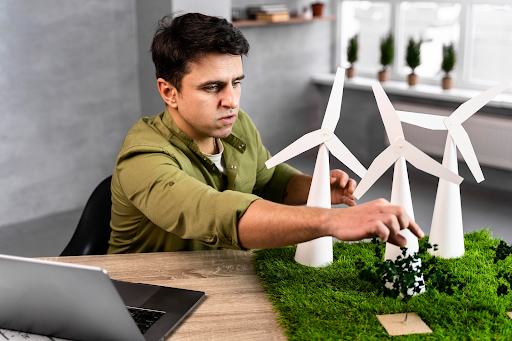
Many schools claim to be "green" because they celebrate Earth Day annually. Genuine sustainability education requires the systematic integration of environmental values into daily school life.
Moving From Events to Culture
When sustainability becomes school culture, it permeates everything: meal planning, material choices, waste management, and curriculum design. Children practice conservation daily—turning off lights instinctively, using water mindfully, and segregating waste without prompting.
Family Involvement Multiplies Impact
The most successful green initiatives involve entire families. When parents participate in plantation drives alongside children, the message strengthens exponentially. Children become environmental ambassadors at home, influencing purchasing decisions and spreading awareness.
Measuring Real Outcomes
Genuine commitment shows in tangible results: kilograms of plastic collected, trees planted and surviving, and a reduction in electricity consumption. These metrics demonstrate that sustainability education translates into measurable environmental benefit.
Impactful green practices include:
- Zero-waste lunch programs with reusable containers
- Rainwater harvesting systems, children monitor
- Composting pits where food waste becomes fertiliser
- Campus biodiversity projects tracking local wildlife
Teacher Empowerment: The Unsung Heroes of Transformation
Behind every transformative educational experience stands a prepared, passionate teacher. Early childhood educators shape foundational attitudes, habits, and capabilities that influence entire lives.
Why Teacher Well-Being Matters
Stressed teachers cannot create nurturing environments. Their emotional state directly affects classroom atmosphere and student outcomes. Progressive schools prioritise educators' well-being through professional development, mental health support, and work-life balance initiatives.
Continuous Professional Development
Teachers need ongoing training in brain development research, inclusive practices, and sustainability pedagogy. Workshops on emotional intelligence, attention management, and innovative teaching equip educators with tools to meet diverse learner needs.
Modelling Values Children Will Emulate
Children absorb values by observing trusted adults. Teachers who practice sustainability, demonstrate kindness, and exhibit curiosity teach more through behaviour than any textbook could. This is why teacher empowerment matters profoundly in sustainability education.
Check Out | Transforming Classrooms with Innovative Teaching Strategies
Salwan Montessori School, Gurugram: Where Holistic Development Meets Environmental Stewardship
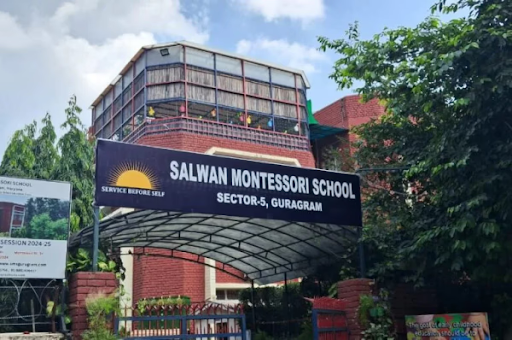
Nestled in Sector 5, Gurugram, Salwan Montessori School has served young learners since 1999 under the Salwan Education Trust. Spread across 1,000 square meters, the CBSE-affiliated institution nurtures approximately 250 students aged three to seven. Guided by the motto "Tamaso Ma Jyotirgamaya," the school embodies "Service Before Self" philosophy.
SMS exemplifies NEP 2020's foundational stage vision through Jadui Pitara—a curated collection of learning materials aligned with National Curriculum Framework. The ME Programme recognizes multiple intelligences with specialized centers for literacy, music, dramatic play, math, and science, allowing each child to discover their strengths.
Launched in May 2025, the comprehensive Green School Mission features monthly themed celebrations. The SDG Book for Children introduces Sustainable Development Goals through stories and puppet shows. The "Say No to Plastic" campaign collected 170 kilograms of waste for recycling. Project Greenovate transforms discarded materials into creative art, while water and energy conservation activities make sustainability tangible.
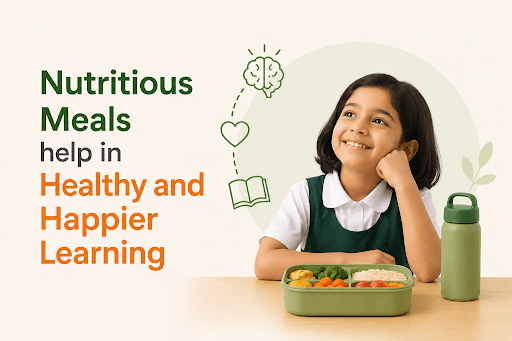
Smart boards and AC classrooms provide comfort alongside environmental education. The Physical Activity Zone, dance and art rooms, and lending library with 350+ books per classroom support diverse development. Health initiatives like Apple Week and Salad Month make nutrition education joyful. The mandatory mid-day meal program ensures wholesome nutrition for all students.
SMS invests in educator well-being through morning meditation, CPD workshops on emotional resilience, and yoga training. When teachers feel valued and equipped, they create calmer, more compassionate learning environments where sustainability becomes lived experience rather than mere concept.
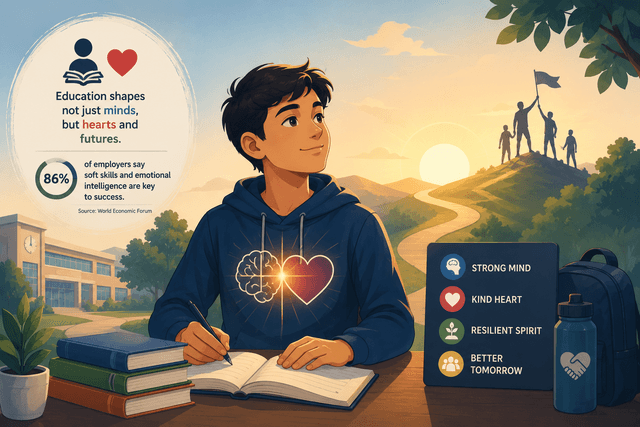
Education shapes character, not just careers. The early years determine whether children become passive consumers or active contributors. Salwan Montessori School, Gurugram, offers a foundation where academic excellence meets environmental consciousness, where ancient wisdom informs modern pedagogy, and where every child's potential unfolds naturally. If you're seeking an institution that balances intellectual growth with emotional intelligence and values sustainability as much as literacy, explore what SMS offers. Your child's journey toward becoming a globally conscious leader can begin here.
For more information on this and other such schools in the area, check out this list of the best schools in Gurgaon.
 as a preferred source on