







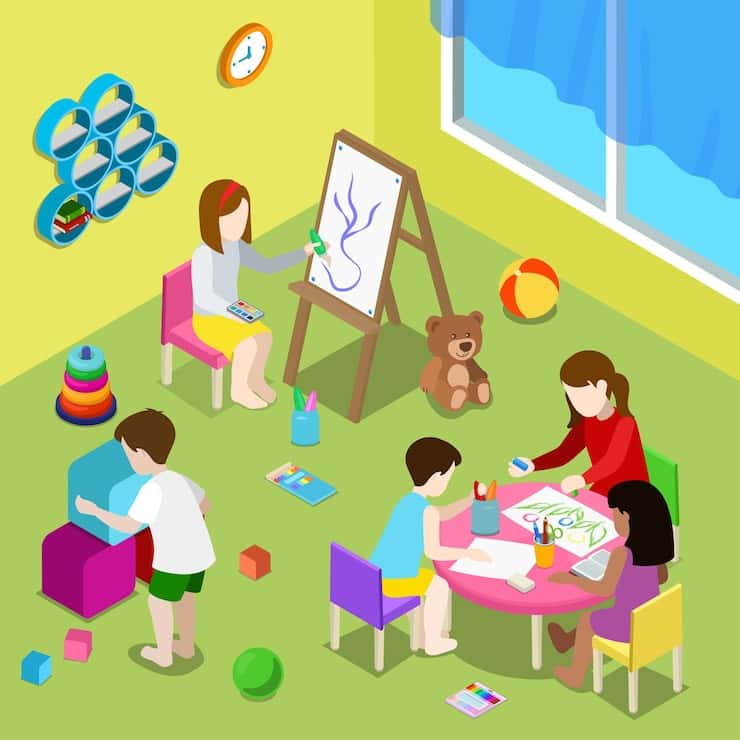

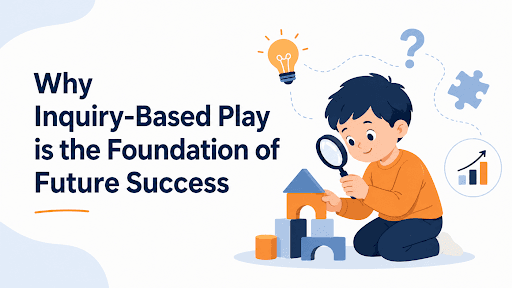
Conversations about education tend to focus heavily on academic results, frequently overlooking the significance of learning through joy. Yet, more progressive schools are changing this mindset by championing a child-centered model—one that sees play not as a distraction, but as a crucial and inspiring way children truly learn.
St. Teresa School, one of the best schools in Greater Noida West, brings this philosophy to life by seamlessly integrating play into everyday learning. Classrooms transform into lively spaces where storytelling, hands-on exploration, and creative activities spark curiosity and imagination. At St. Teresa, children don’t merely receive lessons—they immerse themselves in the learning process, fostering a joyful and lasting bond with knowledge.
In this article, we’ll see how play-based, child-centered learning supports holistic growth and how St. Teresa School Noida is turning this approach into everyday classroom magic.
Also Read | Where Tradition Empowers Innovation: Eastern Values Meet Western TechThe Power of Play in Early Learning

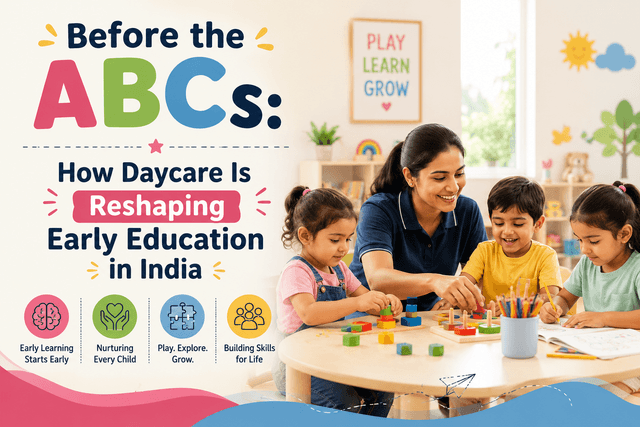
Play serves as the foundation of learning in early childhood. As soon as toddlers begin to crawl, they instinctively investigate their environment, grasping objects, mimicking actions, and experimenting through trial and error. These seemingly simple activities are, in fact, their earliest lessons in understanding the world around them. Backed by neuroscience, studies confirm that play actively supports brain development, strengthening neural connections essential for emotional growth, critical thinking, and social skills.
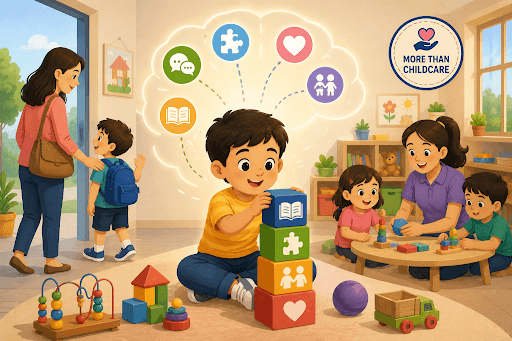
In a play-based learning setting, the classroom becomes an energetic hub of exploration. Items like blocks, puzzles, art materials, reading nooks, and pretend-play zones serve as more than mere toys—they act as gateways to learning. Here, children are inspired to inquire, test ideas, and create their 0unique understandings of the world around them. This environment nurtures critical thinking and instills a love for exploration, which becomes the bedrock of academic achievement in the later years.
Unlocking Potential Through Active, Discovery-Based Learning in Early Childhood

By engaging with materials, environments, and real-life experiences, young learners build a deeper understanding of the world around them in a way that’s both meaningful and memorable. Let's explore how:
- Boosts Curiosity: Encourages children to explore, ask questions, and discover how things work.
- Enhances Understanding: Helps them grasp complex concepts through real-life, tangible experiences.
- Develops Motor Skills: Strengthens fine and gross motor abilities through physical interaction.
- Builds Problem-Solving Skills: Encourages trial, error, and critical thinking in a safe space.
- Supports Emotional Growth: Helps children express feelings and build self-awareness through experiential play.
Nurturing Creativity and Independence Through Balanced Learning

Child-led activities empower children to take charge of their learning, fostering a sense of independence as they explore topics that genuinely interest them. When children have the freedom to make choices, experiment, and solve problems on their own, they develop confidence and learn to trust their instincts. This autonomy also fuels creativity, allowing their imaginations to run wild without the constraints of strict rules, encouraging original thinking and innovation.
However, balancing this freedom with thoughtful guidance is essential to help children connect their discoveries with broader learning goals. Educators play a crucial role in gently steering exploration, introducing new concepts, and supporting skill development without overshadowing the child’s initiative. By seamlessly integrating play with thoughtful guidance, this approach fosters a dynamic learning atmosphere where children thrive. It cultivates inquisitive, flexible minds that not only grasp information but also use it inventively in real-world situations, laying the groundwork for a lifetime of meaningful learning.
Preparing for the Real World

The lasting benefits of this educational approach are gaining wider acknowledgement among educators, psychologists, and families alike. Students nurtured through play-based, child-centered environments grow into individuals who are not only academically prepared but emotionally resilient. Their confidence, empathy, and independent thinking set a strong foundation for future success. Over time, these early experiences shape adults who are self-driven, curious, and capable of lifelong learning.
These children are also better equipped to handle stress, adapt to change, and collaborate with others—life skills that traditional academic models often overlook. In today’s evolving job landscape, where soft skills are as valuable as technical know-how, such early education models offer a competitive edge.
A Safe and Nurturing Environment

No approach can succeed without the right environment. In such settings, the learning spaces are thoughtfully curated to feel welcoming, inclusive, and safe. Bright classrooms, thematic corners, sensory zones, and open-air playgrounds all contribute to the child’s comfort and inspiration. Every detail—from the size of the chairs to the color of the walls—is designed keeping the child in mind.
Teachers in these institutions are not just educators but caretakers, mentors, and lifelong role models. Regular training equips them with the tools to recognize developmental cues, address emotional needs, and create inclusive spaces for every learner.
Check Out | Empowering Through Play: The Science Behind Play-Based LearningSt. Teresa School Noida: Embracing Learning Through Play for Holistic Development
St. Teresa School, one of the best CBSE schools in Greater Noida West, is renowned for its innovative child-centered approach to education. Here, learning goes beyond textbooks, blending play and exploration to nurture curious, confident, and well-rounded learners from the very start.

Grades and test scores often dominate the education conversation today, but at St. Teresa School Noida, a different story unfolds—one where play takes center stage in the learning process. Recognizing that children learn best when they’re curious and engaged, the school has embraced a child-centered, play-based philosophy that nurtures not only academic skills but emotional, social, and creative growth as well.
- Play as the Heart of Learning: At St. Teresa School Noida, play isn’t an afterthought or a break from lessons—it’s the very foundation of education. The school’s classrooms are vibrant spaces filled with storytelling corners, creative art stations, hands-on experiments, and imaginative play areas. These are carefully designed environments where children are encouraged to explore freely, ask questions, and express themselves. Play fuels their natural curiosity and invites them to discover the world around them in meaningful ways.
- Hands-On, Exploratory Learning: Young learners thrive when they can touch, build, experiment, and engage directly with learning materials. St. Teresa makes sure children experience concepts through real-world activities, whether it’s stacking blocks to understand balance, conducting simple science experiments, or role-playing everyday scenarios. These hands-on opportunities enhance motor skills, boost problem-solving abilities, and create lasting connections that traditional lectures alone can’t achieve.
- Building Life Skills Beyond the Classroom: The benefits of this approach go far beyond immediate academic success. Children who learn through play develop strong social skills, emotional resilience, and the ability to adapt to change. St. Teresa’s focus on collaboration, communication, and empathy helps students grow into well-rounded individuals ready to face real-world challenges. These qualities are invaluable as children progress through school and eventually enter a rapidly changing global landscape.
- A Joyful Foundation for Lifelong Learning: Parents and educators alike praise St. Teresa School Noida for its commitment to joyful, meaningful education. By placing play at the heart of learning, the school not only sparks a love for discovery in children but also lays a solid foundation for lifelong learning. This child-centered, play-based approach equips students with the curiosity, creativity, and confidence they need to thrive both inside and outside the classroom.
For more information on this and similar schools in the area, check out this list of the best schools in Greater Noida West.




 as a preferred source on