









The first seven years of a child's existence are quite special. During this time, kids learn about the world around them by playing, exploring, and using their senses instead of reading books. Domain-based learning is an educational method that respects how young minds naturally grow and develop. This is where it comes into action.
Domain-based learning is different from traditional education since it doesn't push academic knowledge too early. Instead, it focuses on four basic areas: cognitive, physical, social-emotional, and creative development. This all-encompassing approach fits perfectly with the National Education Policy 2020's aim for basic learning. One of the best schools in Pune, Keystone Ankuram in Handewadi, Pune, has fully adopted this attitude. It has created a place where kids may learn via their senses and enjoy the simple pleasures of childhood.
We'll talk about what domain-based learning really means in this article. We'll look at the four developmental domains and see how this method helps students become confident and well-rounded.
Also Read | What Makes a Modern School Truly Holistic
What Is Domain-Based Learning?

Domain-based learning is a way of teaching that is made just for kids ages 3 to 8. This method doesn't push kids to learn early; instead, it understands that kids grow in many ways at the same time. It's not just about giving them information; it's about taking care of the whole child.
The best thing about this strategy is that it respects children. When a six-year-old plays with blocks, they're not only having fun; they're also learning how to think about space, use their hands, solve problems, and work with other people. Domain-based learning recognises these interrelated areas of progress.
The National Education Policy 2020 strongly supports this method in its instructions for the first stage. The policy stresses learning through play and activities that focus on overall growth instead of memorising things. Studies repeatedly demonstrate that children receiving great domain-based education have improved cognitive skills, superior emotional management, and heightened creative thinking.
Understanding the Four Developmental Domains

Every child is a world waiting to be discovered. Domain-based learning recognises four key areas where this happens naturally when the correct environment and support are in place.
Cognitive Development: Building Thinking Skills
It's not about remembering facts that cognitive growth happens in early childhood. It's about getting people interested, making connections, and laying the groundwork for all future learning. Their brains are developing important neural pathways when young kids investigate their surroundings and ask a million questions.
Stories, music, and games are all natural ways for kids to learn how to read and write. Sorting colourful buttons by size is a way for a toddler to think mathematically. Another way to improve linguistic skills and imagination is to listen to a narrative. These natural learning opportunities are much more effective than worksheets.
Physical Development: Movement and Body Awareness
Movement and learning are the same thing. Kids think with their body as well as their thoughts. Running, jumping, climbing, and dancing help them learn how to coordinate their movements, be aware of their surroundings, and regulate their bodies. These skills help with anything from writing to feeling good about themselves.
Some important benefits of physical development in the early years are:
- Skating, playing outside, and playing sports all help improve gross motor abilities.
- Improves the fine motor skills needed for sketching and writing
- Increases blood flow to the brain, which improves its function
- Helps people develop good habits and a pleasant attitude towards exercise
- Makes it easier to focus and pay attention while learning
Nature-based physical education provides even more depth. Kids who garden, take care of animals, and play outside get to know the living world better and get better at physical activities.
Socio-Emotional Growth: Building Relationships
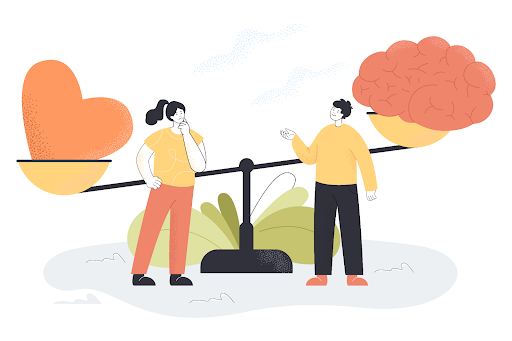
Children discover who they are and how to get along with others through socio-emotional development. A child who learns to share, comfort a friend, or say how they feel is learning abilities that no book can teach.
Positive interactions with peers provide the groundwork for future connections. Kids learn how to deal with their feelings when they work together on projects and settle disagreements. When teachers show empathy and respect, they become living examples of the ideals that kids will carry with them.
Creative Expression: Nurturing Imagination
In school, creativity isn't a luxury; it's a must. Kids learn to think differently and express themselves, whether they paint, dance, mould clay, or compose music. Creative expression lets kids speak up even when they don't have all the words.
Imagination runs rampant in the early years. A cardboard box turns into a spaceship, and scribbles narrate long stories. This kind of pretend play is really good for the brain because it helps kids learn how to solve problems and deal with their feelings.
Check Out | How Artist Clubs Inspire Young Innovators
The Keystone Ankuram, Handewadi, Pune: Pioneering Domain-Based Learning in Foundational Education
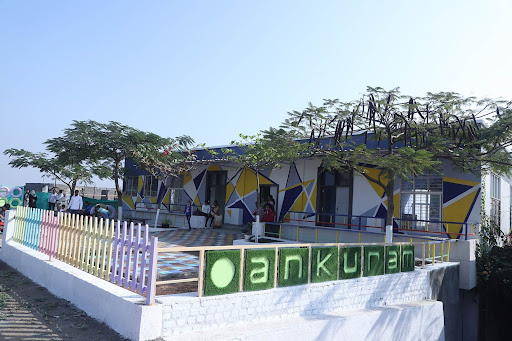
The Shalaka Foundations started the Keystone Ankuram school in Handewadi, Pune. It is a CBSE-affiliated school. The school encourages the joy of a slow childhood, and the teachers have more than 50 years of experience between them. The campus sits near Handewadi Chowk and is surrounded by nature's bounty, with a wide range of plants and animals. The environment itself becomes a teacher, giving students infinite chances to explore with their senses.
The Foundational Stage of the school (Classes I and II, ages 6–7 years) is all about cognitive, physical, social-emotional, and creative learning goals. Instead of using textbooks, the way of teaching is informal, flexible, and centred on activities. Kids learn how to read and write, do maths, speak Hindi and Marathi, and use computers through experiences. A typical day includes activities like telling stories, gardening, skating, taking care of animals, and music classes, all of which help kids grow in different ways at the same time.
The school makes sure that each student gets enough attention by having a 30:1 student-teacher ratio. Teachers are compassionate, excited professionals who know that kids learn by copying what they see. They are fully engaged in the learning process, showing curiosity and joy. All four areas are supported by co-curricular activities. Dance and skating improve physical skills, music and clay modelling encourage creativity, and gardening and community service improve social skills and emotional awareness.
One of the best CBSE schools in Pune, The Keystone Ankuram's main goal is to make every student love learning so that they can reach their maximum potential. Building trust, personalised education, and strong ties between the child, school, family, and community are the school's basic values. These values define every encounter. Parents looking for a well-rounded early childhood education in Pune will find TKA to be a place where children can be themselves, where they are encouraged to be their best selves, and where they learn to regard childhood as the foundation for lifetime learning.
For more information on this and other such schools in the area, check out this list of the best schools in Pune.







 as a preferred source on