








The early years of a child's educational experience are more than the initial steps into the world of academics, they set the stage for a lifelong passion for learning. In these early years, children start to make sense of the world around them, develop habits, and gain the confidence to venture out on their own to explore ideas.
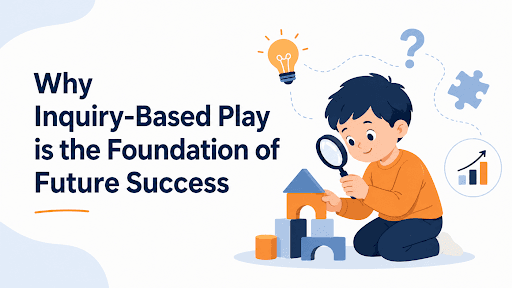
Of all the methods of early childhood education, discovery-based learning is exceptional for its potential to foster curiosity, creativity, and intellectual growth. Through exploration, play, and guided routines, young students mature into confident learners who are poised to overcome challenges and love to learn.
Manav Rachna International School, one of the best schools in Gurgaon, is a prime example of how thoughtfully designed discovery-based education can transform the early years into a joyful and enriching experience.
In this article, we’ll explore how discovery-based learning supports early childhood development by encouraging structured routines, guided play, and habit formation. It also highlights the roles of parents and educators, and how MRIS 46 integrates these elements to nurture confident, curious learners.
Also Read| Tech Meets Tradition: MRIS's Approach to Modern LearningThe Power of Discovery-Based Learning in Early Childhood

Children learn best when they are actively involved in the process. Discovery-based learning fuels their natural curiosity and allows them to take ownership of their growth. Instead of simply receiving information, children in this model of learning become active participants—asking questions, testing ideas, and reflecting on outcomes.
Let us look at the benefits of discovery-based learning:
- Encourages problem-solving and independent thinking by allowing children to make decisions, try different approaches, and learn from their experiences.
- Strengthens memory and attention span as learning activities require focus, repetition, and mental engagement.
- Boosts emotional intelligence by providing opportunities for self-expression, empathy, and understanding emotions through play and interaction.
- Develops creativity through open-ended play, where children imagine, invent, and explore without rigid guidelines.
The Psychology Behind Early Learning and Habit Formation

During early childhood, the brain undergoes rapid development, making it the ideal stage for shaping positive learning habits. Discovery-based learning works in harmony with this process by activating multiple areas of the brain through engaging, multisensory experiences.
Let’s explore how this approach fosters growth in young learners:
- Repetition within play makes memory stick and contributes to understanding, as known actions enable children to accept concepts more intensely over a period.
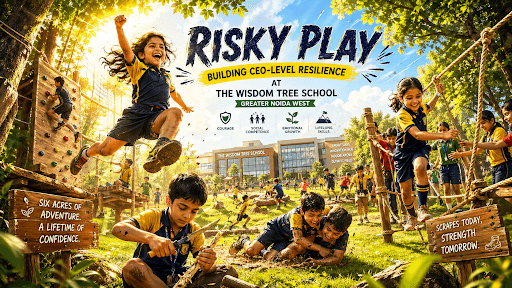
- Safe risk-taking imparts resilience and flexibility, enabling children to try things, fail, and learn in a secure context.
- Guided reflection by the teacher reinforces understanding and emotional intelligence, enabling children to work through experiences and appreciate success and failure.
- Open-ended task provision stimulates creative thinking and flexibility, enabling children to develop ideas and consider various solutions.
The Role of Parents and Schools in Nurturing Discovery-Based Learning
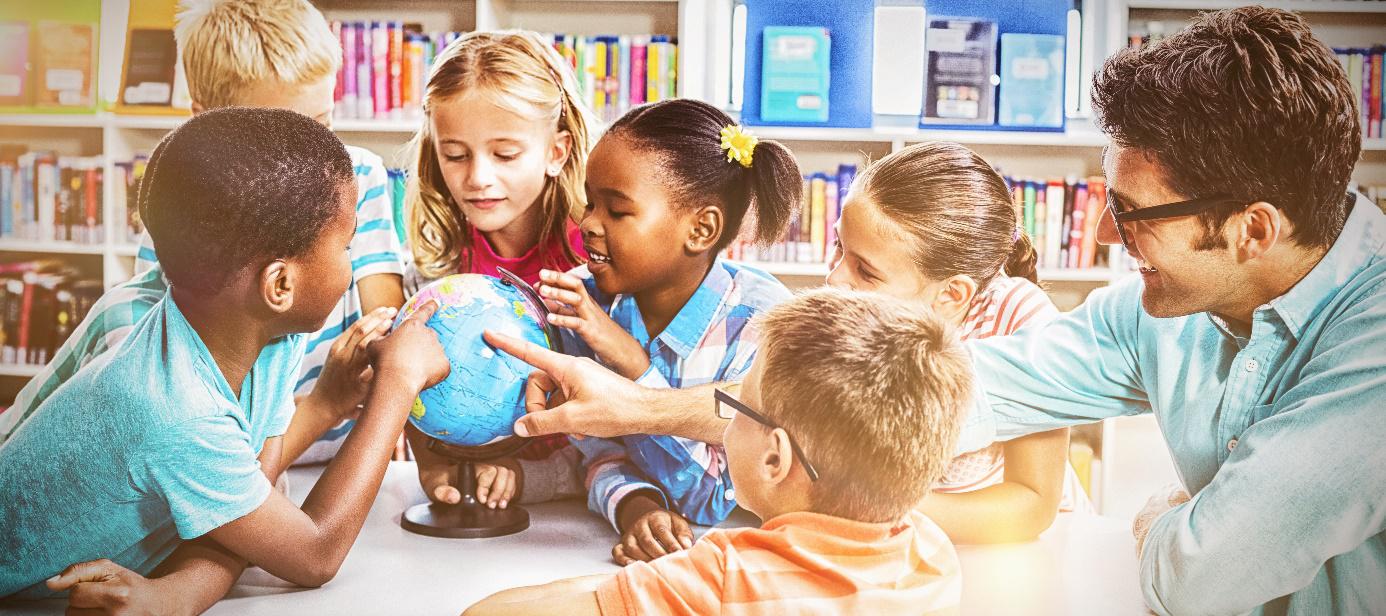
The partnership between parents and schools is essential in ensuring that discovery-based learning thrives. At home, parents can extend learning by encouraging curiosity, asking open-ended questions, providing creative tools, and allowing time for unstructured play.
Schools, on the other hand, provide structure and strategy. With trained educators and thoughtfully planned routines, they ensure that each child gets the right balance of freedom and focus. Regular feedback, personalised attention, and consistent communication with parents further strengthen a child’s learning environment.
When both home and school align in their efforts, children are more likely to carry forward the habits and confidence they build during these foundational years.
Manav Rachna International School Sector 46’s Approach to Discovery-Based Learning
Manav Rachna International School stands out as one of the best CBSE schools in Gurgaon. The school is recognised for its progressive approach to education, especially in the early years. With a strong focus on foundational learning, MRIS 46 provides a structured and nurturing environment that encourages curiosity, cognitive development, and creativity in young learners.

The Manav Rachna International School is located in Sector 46, Gurgaon, Haryana implements a discovery-based approach that places the child at the centre of the learning experience. Through an inquiry-led curriculum, children engage in storytelling, exploration, and experiential learning that promote independent thinking and foundational skill-building..
The learning environment at MRIS 46 is further strengthened by trained educators who specialise in early childhood education. Teachers offer individualised attention, ensuring that each child’s learning style is respected and supported. Classrooms are well-equipped, vibrant spaces designed to encourage hands-on engagement and exploration. With consistent guidance, reflection, and a focus on self-discovery, the school fosters both academic readiness and emotional resilience, helping children build a strong foundation for lifelong success.
For more information on this and similar schools in the area, check out this list of the best schools in Gurgaon



 as a preferred source on