




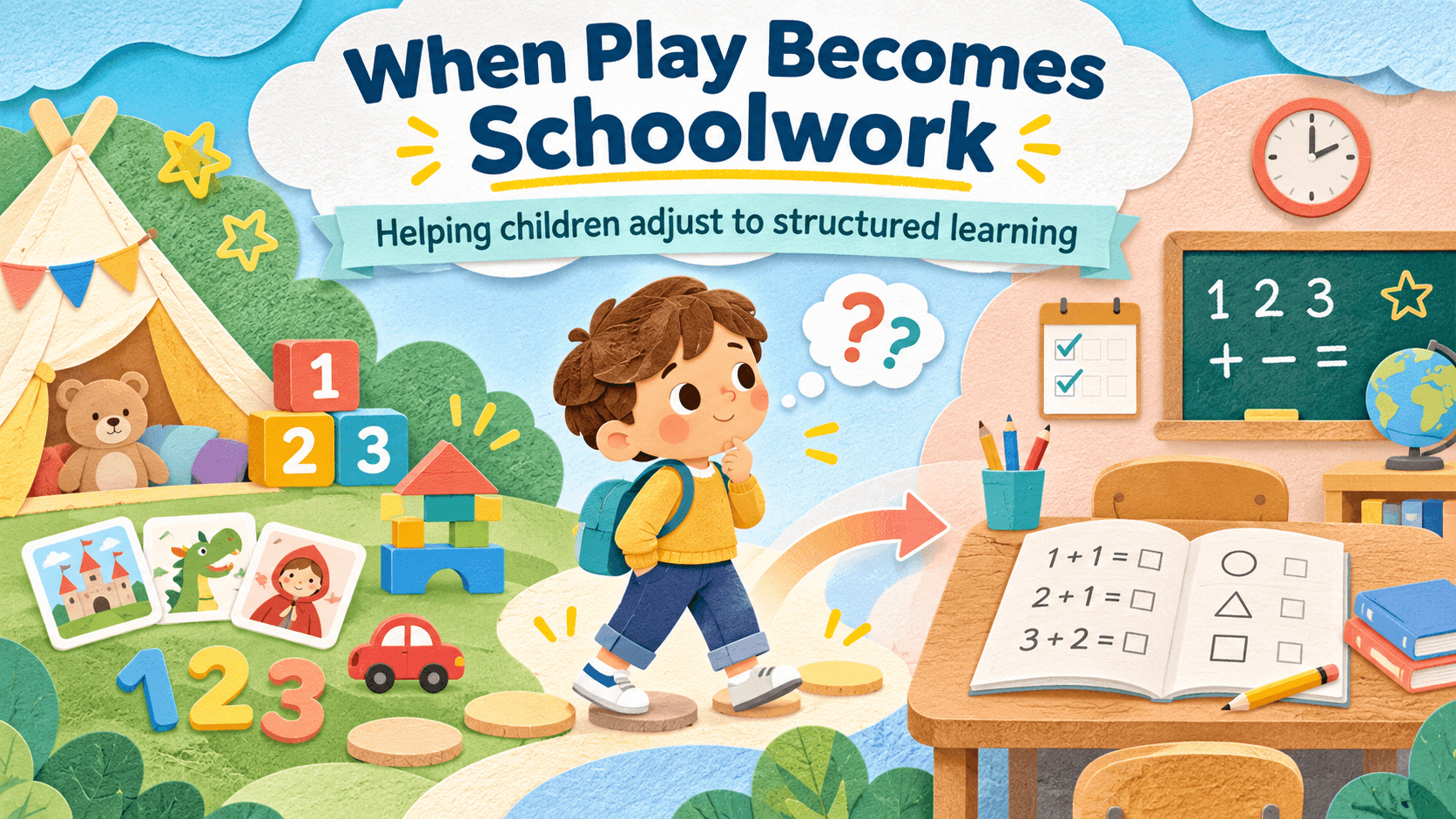

Your child once loved counting colourful blocks, listening to stories and learning through games. Now, even a short worksheet leads to complaints, tears or “I don't want to study.” You wonder why schoolwork suddenly feels so difficult when your child enjoyed learning before.
This change can worry parents exploring Top schools in Bangalore, including Clarus International School (CIS), Kadugodi, Bangalore. But struggling with more structured lessons does not always mean a child lacks interest or ability. Sometimes, the way they are expected to learn has changed faster than they can comfortably adjust.
What Changes When Learning Becomes More Structured?
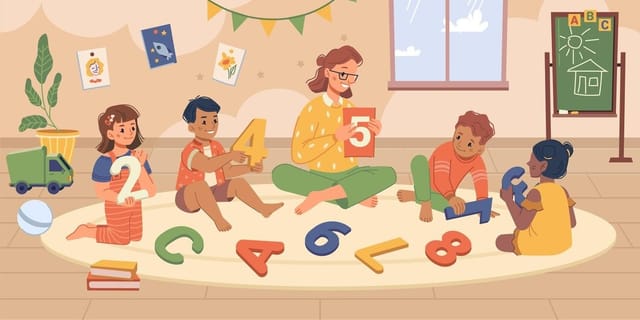
During play-based learning, children explore ideas through objects, stories, movement and conversation. A child might learn addition by putting three toy cars beside two more and counting them together.
A written maths question asks for something different. The child must recognise symbols, remember instructions, write numbers and stay focused until the task is finished. Even if they understand addition, managing all these steps can feel demanding.
India's National Curriculum Framework for School Education (2023) recognises this transition. Its Foundational Stage covers preschool through Class 2, while the Preparatory Stage covers Classes 3–5. The framework recommends gradually introducing textbooks and formal learning while continuing activities and exploration.
So, play and schoolwork are not opposites. Children can still learn serious concepts through enjoyable experiences.
Why Do Some Children Find the Change Difficult?
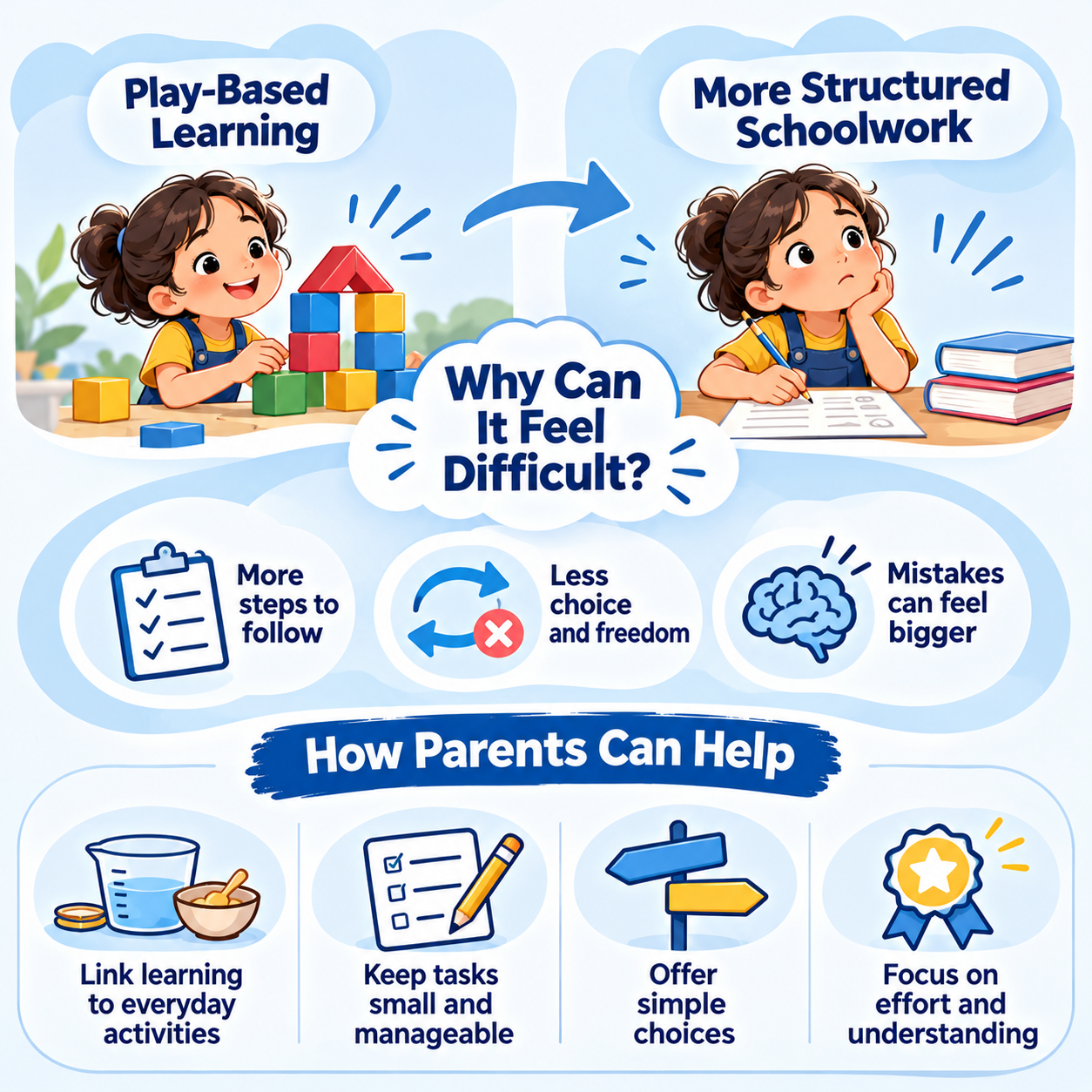
Following several instructions takes practice. Imagine a teacher asking children to open their books, read a question, underline important words and write an answer. Some children understand each instruction separately but forget what comes next.
These tasks involve working memory, attention and self-control. Harvard University's Center on the Developing Child explains that these skills develop through experience and practice, including games and playful activities.
Less choice can feel frustrating. During free play, children often decide what to build, draw or explore. Structured tasks may require them to follow a particular method or finish within a set time. That change can be uncomfortable, especially when they are tired.
Mistakes may start feeling more serious. A child who happily experiments with building blocks might become upset about writing an incorrect answer. They may worry about disappointing a teacher or parent.
These reactions have different possible causes. Parents should avoid assuming that frustration means laziness or that every child will adjust at the same pace.
How Can Parents Make the Transition Easier at Home?
1. Connect lessons with everyday activities.
Before asking your child to solve written subtraction questions, try a pretend shop. Give them ten coins and ask how many remain after spending four. Once they understand the idea, show them the same problem on paper.
For measurements, let them compare water levels in two cups or help measure ingredients while cooking.
2. Make written tasks manageable.
Instead of presenting an entire worksheet, begin with two or three questions. Explain the first one together, then let your child attempt the next. Offer a short movement break when needed.
The aim is not to avoid challenging work. It is to help children build the confidence and stamina to complete tasks independently.
3. Give children small choices.
Ask, “Would you like to start with reading or maths?” or “Shall we use a pencil or coloured counters first?”
Both options lead towards learning, but the child gains some control over the process. This can make unfamiliar routines feel less overwhelming.
4. Focus on effort and understanding.
Instead of saying, “Why are you so slow?” ask, “Which part feels difficult?” When your child makes a mistake, invite them to explain their thinking.
You might discover that they understand the answer but struggle to read the question. Share such observations with the teacher so home support matches classroom expectations.
When Should Parents Look Beyond Normal Adjustment Difficulties?
Some frustration is expected when children face new routines. However, repeated distress deserves attention, particularly when a child frequently refuses school, becomes unusually anxious or struggles with instructions across different settings.
First, ask the teacher what they notice in class. Check whether the work is suitable for your child's current skills and whether tiredness, language difficulties or other concerns might be contributing.
If problems continue or affect daily life, consider speaking with a paediatrician or qualified child-development professional. One difficult homework session is not enough to identify a developmental problem.
Understanding the Transition at Clarus International School
For parents comparing the Best schools in Bangalore, understanding how learning changes between grades can be more useful than judging a school by worksheets alone. Clarus International School (CIS), Kadugodi, Bangalore describes play-based activities, hands-on experiences, art and simple experiments in its Foundation Stage, covering pre-primary to Class 2.

Its published Preparatory Stage approach for Classes 3–5 includes projects, discussions, reading, writing and foundational academic skills. These descriptions illustrate how playful exploration and structured learning can be connected, although they do not establish how individual children experience that transition.
Conclusion
Children do not suddenly outgrow their need to explore when formal schoolwork begins. They still benefit from movement, conversation, practice and encouragement.
When parents make learning manageable and communicate with teachers, children have more opportunities to develop confidence alongside academic skills. The goal is not to make every task easy, but to help children approach new challenges without losing their curiosity.
For more information on this and similar schools, check out this list of the best schools in Bangalore.











 as a preferred source on