






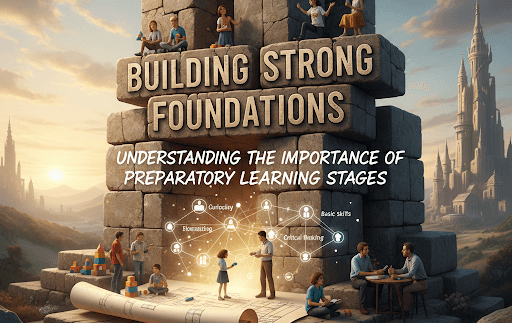

For a child, the first few years matter a lot, as it sets up patterns for thinking, feeling, and learning. Instead of just storing facts, young minds link neurons in ways that guide future choices. What happens early sticks around, shaping reactions and growth long after.
When kids grow, their minds grab hold of ideas in steps. Picture a classroom where lessons fit like clothes bought just right. Think about little scientists poking at bugs, then reading books that explain what they saw. Some teachers now toss out old scripts, instead watching how each child listens, builds, and draws. Learning sticks better when it feels natural, not forced into boxes from decades ago. Moments click when timing lines up with readiness, like seeds sprouting after rain.
Starting at one of the best schools in Noida, Sapphire International School, education unfolds in phases built around how kids grow inside, outside, and in their thinking. That way, schoolwork doesn’t push too soon - instead, it walks beside each child until they stand steady on their own. Through this article, we wanted to discuss the possibility of what happens when learning happens in stages, and how SIS, Noida, is taking charge.
Learning Happens in Steps
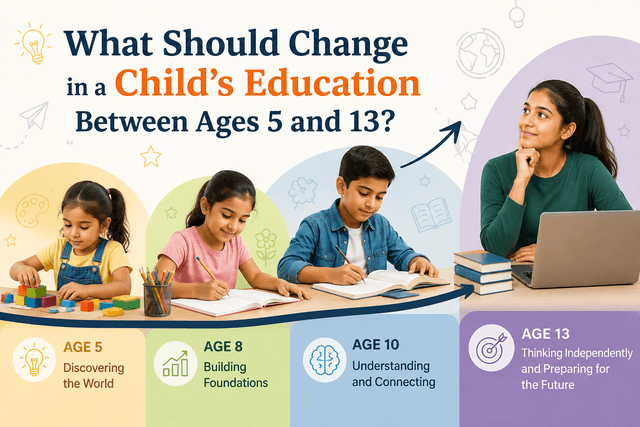
The growth of a student is never a steady climb; it is infact marked with twists and turns. Imagine a five-year-old kid whose mind works differently from a kid who is just three years older. And as you move forward, the way thoughts form takes another shape entirely. Learning steps that follow patterns fit these shifts as they happen.
Broadly, early education can be understood in three interconnected phases:
- Foundational Stage (Early Years) – Focused on play-based, sensory-rich learning.
- Preparatory Stage – Introducing structured academics while preserving curiosity.
- Middle Years and Beyond – Encouraging analytical thinking, independence, and subject depth.
Starting with what they already know, kids gain strength in small steps. Only after feeling steady does anything harder come into play.
Also Read| How Children Actually Learn Best Between Grades 6 to 8
The Early Years When Curiosity Meets Routine
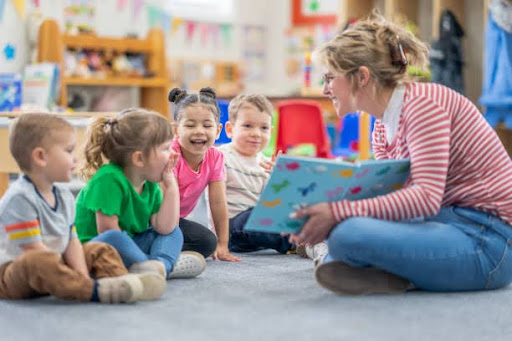
Young learners start shifting from games and play to clearer school routines. Often without notice, this phase sets up how kids handle reading, writing, and numbers later on. Right around these years, they pick up basics through routine and gentle guidance. Not long after starting, curiosity meets structure in everyday tasks. At this point, habits form quietly but stick hard. Slowly but surely, confidence grows alongside skills. This is the period when children begin to:
- Read independently
- Write structured sentences
- Develop number sense
- Engage in collaborative problem-solving
- Understand responsibility and routine
Still, moving through this phase needs attention. Should lessons feel too strict, kids might let go of their excitement. When there’s no shape at all, basic school abilities can start to slip.
A balanced preparatory framework focuses on:
Clear Ideas Instead of Memorizing
Finding meaning helps kids grasp ideas more fully. When multiplication is shown through everyday examples, patterns start making sense. Grouping objects becomes a way to see how numbers connect. Learning grows stronger once the reason clicks.
Experiential Learning
Hands-on activities such as experiments, storytelling, role-play, and project-based learning deepen understanding. When children touch, build, observe, and question, learning becomes memorable.
Language Development
Strong language skills in the preparatory years significantly impact academic performance later. Encouraging reading habits, public speaking, storytelling, and writing exercises strengthens communication confidence.
Social and Emotional Growth
Group tasks, classroom responsibilities, and peer discussions teach empathy, teamwork, and leadership. Emotional regulation and self-expression are just as important as academic progress.
Creating a Strong Academic Foundation
Data shows that children with strong foundational literacy by Grade 3 are four times more likely to graduate successfully from higher secondary education. They carry surprising weight when it comes to later success. Key academic pillars during this stage include:
1. Literacy Skills
Words stick better when kids sound them out smoothly every day. Grasping meaning comes not just from decoding letters but from context too. New terms take root through repeated exposure across different topics. Putting thoughts on paper in an organized way shapes how ideas grow.
2. Numeracy Skills
Understanding numbers, logical reasoning, measurement, patterns, and problem-solving prepares students for advanced mathematics.
3. Inquiry-Based Science
Starting with curiosity, kids begin noticing things closely instead of just repeating facts. Questions come naturally when they test how one thing changes another. Watching results unfold helps them see patterns without needing labels right away.
4. Integrated Learning
Subjects are often interconnected. A project about plants, for example, can include science (plant life cycle), mathematics (measuring growth), language (writing observations), and art (illustrating leaves).
Focusing on the holistic approach helps kids view topics not as separate boxes, but as parts that fit together like pieces outside classroom walls.
Co-Curricular Experience Outside the Classroom
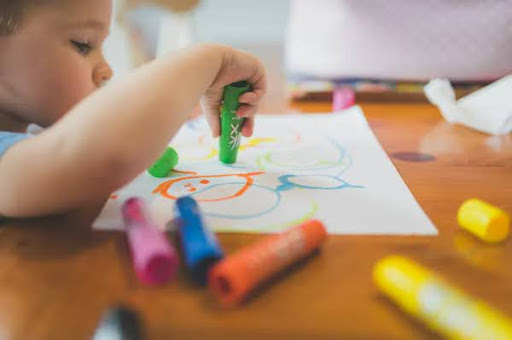
Room for imagination early on matters just as much as movement does. Learning isn’t only pages and rules; it grows through doing, building, and moving. A child runs, draws, jumps, thinks: each act shapes readiness. Not later. Now.
Exposure to:
- Visual and performing arts
- Music and dance
- Sports and physical education
- Clubs and activity-based learning
Hidden abilities often show up when kids get a chance to try new things. Confidence grows through small wins over time. Discipline sticks when it feels like play, not pressure.
When kids get balanced support, they learn more than school lessons. Growing into flexible thinkers happens when their needs go beyond textbooks. Change becomes easier once a child learns how to adjust naturally. A full approach builds learners who handle real life, not only exams.
Read Further | Enlightened Minds & Adept Hands
Sapphire International School: A Pathway to Development
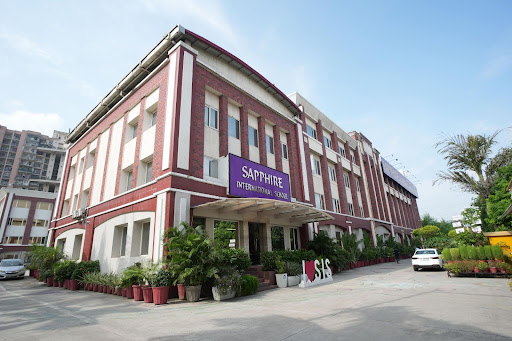
At Sapphire International School, the learning journey is carefully structured to align with developmental stages, ensuring children experience a smooth and meaningful academic progression.
The school’s preparatory stage is designed to strengthen core literacy and numeracy skills while encouraging experiential learning. Classrooms focus on interactive teaching methods that promote understanding rather than memorisation. With SIS, the idea of providing step-by-step development becomes ultra-real, and that is probably what makes, it one of the best schools in Noida Sector 70.
Activities, discussions, and collaborative tasks are integrated into everyday lessons to maintain curiosity and engagement.
With a curriculum framework that supports conceptual clarity, the school ensures students build strong academic roots before transitioning to higher grades. Equal emphasis is placed on communication skills, logical reasoning, and creative expression.
The infrastructure further supports this approach by providing safe, well-equipped classrooms and activity spaces where children can explore confidently. Teachers act as facilitators, guiding students to ask questions, reflect, and think independently.
Conclusion
Little kids aren’t just memorizing letters or counting objects - they’re building minds ready to question, speak up, and solve puzzles. A well-organized path through school gives each child room to move forward when they're truly ready. What matters most shows up quietly, not on tests but in how they begin seeing the world.
Starting too fast can miss what matters most. Building skills slowly helps kids grow sure of themselves. Learning becomes natural when it feels safe. A steady start beats rushing every time.
What if learning matched how kids actually grow? Places such as Sapphire International School in Noida seem to get it - shaping school life around natural development phases helps students build real readiness for what comes next.
For more information on this and other similar schools, check out this list of the best schools in Noida.








 as a preferred source on