









Education today isn't just about textbooks and exams—it's about preparing students for a world that doesn't exist yet. The shift from rote learning to skills-based education demands schools that can balance academics with creativity, technology with values, and individual excellence with collective growth.
Sapphire International School (SIS), Noida, exemplifies this transformation. With its "Every Child is a Leader" philosophy, the school has spent over two decades perfecting an approach that develops enlightened minds capable of critical thinking and adept hands ready for real-world challenges.
In this article, we'll explore what 21st-century learning truly means, how India's NEP 2020 is reshaping education, the critical role of parent partnerships, and how technology and equity initiatives are creating inclusive learning environments. Finally, we'll see how SIS Noida brings all these elements together in its unique educational model.
Also Read | The Innovative Human Library at Sapphire International School
What Does 21st-Century Learning Really Mean?
The term "21st-century learning" gets thrown around frequently, but what does it actually entail? Beyond buzzwords, it represents a fundamental shift in how we prepare students for life beyond school walls.
Moving Beyond Memorization
Traditional education focused on remembering facts and reproducing them in exams. Today's learners need different skills—critical thinking to analyze information, collaboration to work with diverse teams, communication to articulate ideas clearly, and creativity to find innovative solutions. These four Cs form the foundation of modern education, creating environments where students question, explore, and construct knowledge.
Real-World Relevance
Students today ask: "When will I use this in real life?" Twenty-first-century learning answers this by connecting classroom concepts to practical applications through project-based learning, experiential activities, and problem-solving challenges. This approach doesn't abandon academic rigor but contextualizes learning within scenarios students might actually encounter, making knowledge meaningful rather than abstract.
Preparing for Uncertainty
Perhaps the most significant aspect is preparing students for jobs that don't yet exist. This requires developing adaptability, resilience, and a growth mindset—qualities that transcend any specific subject matter. Students must become lifelong learners who can navigate change and acquire new skills independently.
NEP 2020 and the 5+3+3+4 Framework: A Paradigm Shift

India's National Education Policy 2020 represents the country's most comprehensive educational reform in decades. At its heart lies a restructured approach to schooling that aligns with child development stages.
Understanding the New Structure
The 5+3+3+4 framework replaces the old 10+2 system with a developmentally appropriate model:
- Foundational Stage (Ages 3-8): Three years of pre-primary plus Grades 1-2, focusing on play-based learning
- Preparatory Stage (Ages 8-11): Grades 3-5, introducing formal subjects through experiential learning
- Middle Stage (Ages 11-14): Grades 6-8, developing abstract thinking with subject teachers
- Secondary Stage (Ages 14-18): Grades 9-12, offering multidisciplinary study with flexibility
This structure acknowledges that children at different ages learn differently, requiring distinct pedagogical approaches at each stage.
Foundational Literacy First
NEP 2020 prioritizes ensuring every child achieves basic literacy and numeracy by Grade 3. Without this foundation, later learning becomes exponentially harder. Schools are now accountable for these fundamental skills, recognizing that reading comprehension and mathematical reasoning are gateways to all other learning.
Flexibility and Choice
The policy introduces flexibility in subject choices. Students in secondary school can combine science with arts or commerce with humanities based on interests rather than rigid streams. Vocational education is now integrated into mainstream schooling rather than treated as a separate track.
The Power of Parent Partnerships in Modern Education
Schools cannot educate children in isolation. When parents and educators work together, student outcomes improve dramatically across academic performance, behavior, and overall well-being.
Beyond Traditional Meetings
Modern parent partnerships go deeper than quarterly meetings. Progressive schools invite parents into classrooms as volunteers, organize goal-setting workshops, facilitate regular communication about daily learning, and provide tools for supporting education at home. This repositions parents from passive recipients of information to active collaborators.
Building a Support Ecosystem
When schools share weekly updates, conduct observation sessions, and maintain open dialogue, parents gain insight into how their children learn. This transparency builds trust and enables parents to reinforce school learning through home activities, creating a seamless learning experience.
Technology Integration: Beyond Smart Classrooms
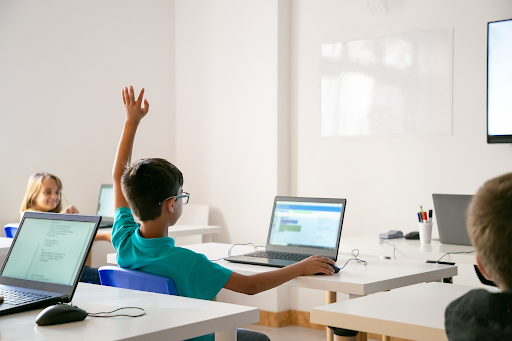
Technology in education has evolved from being a fancy addition to becoming an essential tool. However, meaningful integration requires more than just providing devices.
From Tools to Transformation
True technology integration means using AI-powered platforms that adapt to individual learning paces, accessing virtual labs for experiments, collaborating on cloud-based projects globally, and utilizing multimedia resources catering to different learning styles. Technology becomes transformative when it enables experiences impossible through traditional methods alone.
Digital Citizenship and Safety
With increased technology use comes responsibility. Schools must teach students about online safety, digital etiquette, information literacy, and responsible technology use. Cyber safety education is as fundamental as teaching students to cross roads safely—students need skills to navigate digital spaces responsibly.
Scholarships and Equity: Breaking Barriers to Quality Education
Quality education shouldn't be a privilege limited to those who can afford it. Scholarship programs serve multiple purposes beyond financial assistance, creating more inclusive and diverse learning communities.
Recognizing Diverse Excellence
Modern scholarship programs recognize excellence across multiple domains—sports achievements, artistic talents, leadership potential, and community service, not just academic performance. This approach values different forms of intelligence and contribution, ensuring every student can find their path to excellence.
Creating Inclusive Communities
When schools offer substantial scholarships, they bring together students from varied socioeconomic backgrounds. This diversity enriches the learning environment, exposing all students to different perspectives. It breaks down barriers and builds empathy—lessons as valuable as any subject.
Check Out | Bridging the Opportunity Gap with the Kalam Scholarship
Sapphire International School (SIS), Noida: Where "Every Child is a Leader"
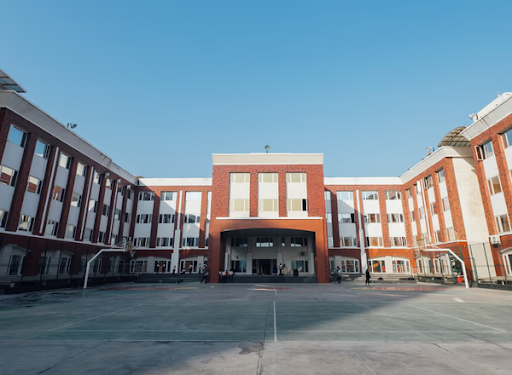
Established in 2003 with its early years campus in Anand Vihar, Delhi, Sapphire International School has grown strategically across three campuses. The K-12 Noida campus in Sector 70 opened in 2010, followed by Crossings Republik in 2016. CBSE-affiliated and fully aligned with NEP 2020, SIS has been nurturing future-ready global citizens for over two decades.
"Every Child is a Leader" isn't just a motto—it's embedded in daily practice. The school's logo captures this beautifully: an open book with pages forming a quill symbolizes enlightened minds and adept hands. This circular design represents wholeness, continuous learning, and inclusive education.
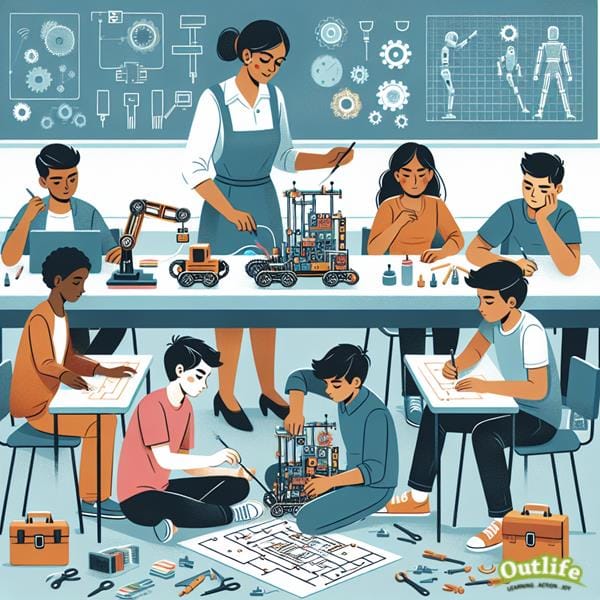
SIS implements the 5+3+3+4 framework with age-appropriate pedagogy. Foundational years emphasize play-based learning through observation-based assessment. Preparatory stages introduce companions, studios, and project work. Middle school develops abstract thinking with Chromebook integration. Secondary education offers flexible subject choices with research-oriented approaches, balancing core subjects with co-curricular areas including STEM, robotics, multiple languages, and arts.
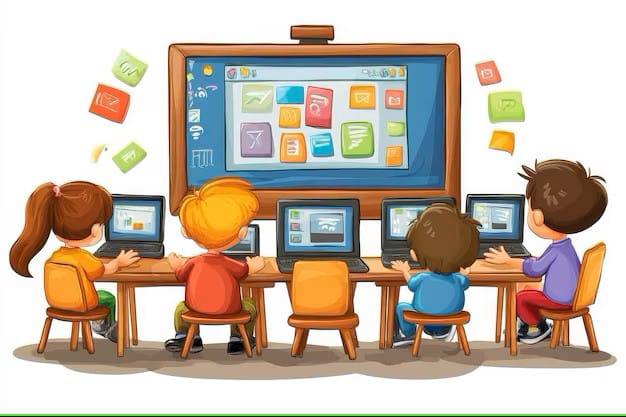
Chromebooks are seamlessly integrated, providing access to AI-powered tools, digital research platforms, and collaborative spaces. Infrastructure includes state-of-the-art labs, multimedia-equipped classrooms, and robust cyber safety measures ensuring responsible technology use.
SIS's parent engagement includes guest talks on goal-setting, orientation programs, volunteer opportunities for class teaching and field trips, weekly data-sharing folders, positive care calls, classroom observation opportunities, and interactive homework with home learning tools. This creates genuine collaboration between home and school.
Upholding its "No Child Left Behind" policy, SIS offers scholarships up to 100% across academic excellence, co-curricular achievements, and sports performance. This initiative promotes educational equity while nurturing diverse talents among students from varied backgrounds.
Recent achievements include the "Architects of Future Ready Learners" Award at ReThinkED 2025, "Visionary Leader in Holistic Education" Award for Vice Chairperson Ms. Anjali Jain, and "Education Icon of the Year" for Head of School Mr. Saurabh Sehgal, who was also recognized among India's top 100 education leaders at Viksit Bharat 2047.
The campus features vast open spaces, specialized laboratories, a well-resourced library, comprehensive sports facilities, and dedicated arts spaces. Safety is paramount with CCTV-monitored GPS-enabled transport and student protection mechanisms. An after-school daycare facility serves Early Years to Grade V, supporting working parents.
If you're seeking an educational environment where your child's unique leadership potential will be recognized and nurtured through value-driven, technology-enabled education, Sapphire International School offers a transformative journey. Explore their admission process and discover how "Every Child is a Leader" translates into personalized growth, academic excellence, and preparation for a future filled with possibilities.
For more information on this and other such schools in the area, check out this list of the best schools in Noida.











 as a preferred source on