







Education has always been the cornerstone of societal progress. As the world evolves, our teaching and learning methods must keep pace. With rapid advancements in technology, modern education demands a more interactive, personalized, and engaging approach to meet the needs of today’s learners.
By integrating technology with traditional education, schools can create a dynamic learning environment that enhances student engagement, accessibility, and adaptability. Manav Rachna International School (MRIS), located in Sector 46, is recognized as one of the best schools in Gurgaon, known for its innovative approach to education, combining technology with traditional learning methods to provide a well-rounded educational experience.
In this article, we will explore the importance of combining traditional teaching methods with modern technology, while also looking at how MRIS, inn Sector 46, Gurgaon, effectively does the same.
Also Read | Art, Music, and More: Nurturing Creativity at MRIS Sector 46, GurugramAdapting Education with Technology Integration

The future of education lies in harmonizing the best of traditional teaching with modern technological advancements, which is a game changer in Education. It creates a well-rounded, engaging, and future-ready educational experience. Here’s how it fosters engagement and holistic education:
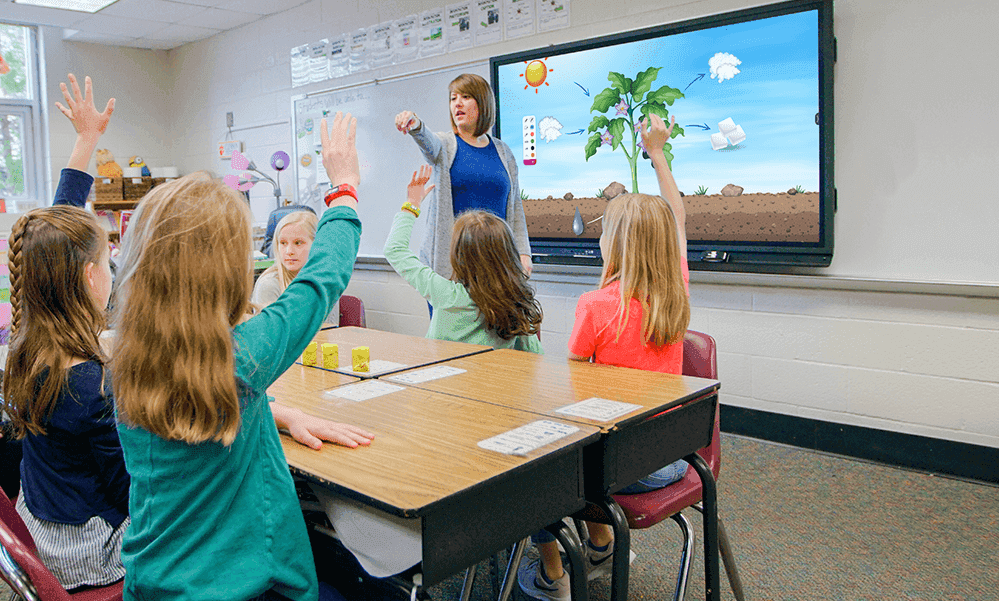
- Enhanced Student Engagement: Interactive tools like smartboards, educational apps, and multimedia content make learning more engaging and visually stimulating, transforming lessons into interactive and enjoyable experiences that enhance understanding and retention.
- Personalized Learning for Better Adaptability: Artificial Intelligence (AI) and data-driven insights personalize learning by tailoring lesson plans to each student's performance, allowing students to learn at their own pace, revisit challenging concepts, or progress faster in subjects where they can excel.
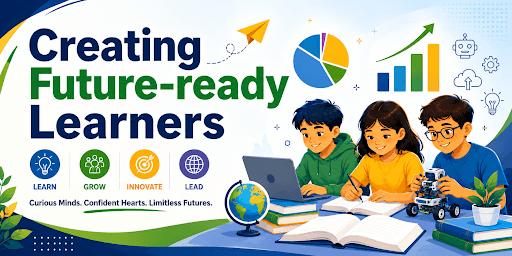
- Experiential and Practical Learning: VR and AR simulations provide an immersive learning experience, allowing students to explore history, conduct virtual science experiments, and solve real-world problems in a safe, controlled environment. STEM and robotics programs promote hands-on learning, fostering creativity, problem-solving, and innovation.
- Building Future-Ready Skills: This blended approach equips students for higher education and careers in a rapidly evolving digital world. By integrating critical thinking, problem-solving, and technical proficiency, it fosters essential skills needed for success in any field.
Embracing Blended Learning: Integrating Technology for a Future-Ready Education

Blended learning combines traditional classroom instruction with modern digital resources, effectively addressing the evolving demands of education. This approach provides a holistic learning experience that prepares students for academic success and future career challenges in an increasingly technology-driven world.
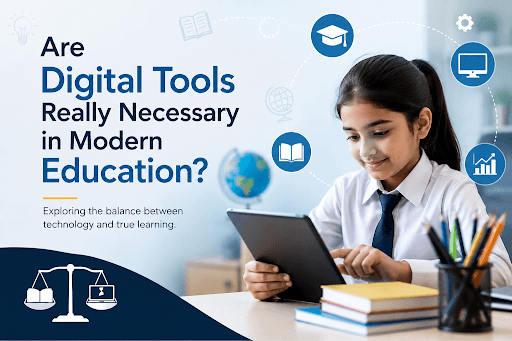
Let's explore the need for digital technology-driven tools in the modern world :
- Shifting Educational Paradigms: With a growing emphasis on critical thinking, creativity, and problem-solving, today's education requires methodologies that extend beyond rote learning.
- Evolving Student Needs: With diverse learning styles and varying paces, students benefit from approaches that allow them to explore subjects interactively, reinforcing their strengths while addressing their challenges.
- Digital Transformation in Education: The rapid advancement of digital technology and interactive digital tools, including smartboards, VR, and AI-driven platforms, create dynamic learning environments that capture student interest and facilitate deeper understanding.
- The Hybrid Advantage of Blending Traditional and Modern: Blended learning offers a balanced approach that leverages the best of both worlds. This model not only maintains the human element of education, such as mentorship and collaboration.
Limitations of Traditional Rote Learning vs. Benefits of Interactive Digital Tools

Let's explore some of the limitations faced due to traditional rote learning and the advantages of Digital tools in education :
Lack of Critical Thinking vs. Enhanced Problem-Solving
Traditional rote learning relies heavily on memorization, which often fails to develop higher-order thinking skills. On the other hand, interactive digital tools, such as AI-driven education platforms and gamified learning apps, encourage analytical thinking and problem-solving, preparing students for complex challenges.
Passive Learning vs. Active Engagement
Rote learning often involves passive absorption of information, with students listening to lectures and repeating content without active participation. Digital tools, including VR simulations, smartboards, and interactive quizzes, transform learning into an engaging process, allowing students to experiment, explore, and collaborate.
Limited Real-World Application vs. Practical Learning
Memorization without context makes it challenging for students to apply their knowledge practically. Digital tools bridge this gap by providing immersive learning experiences, such as virtual science experiments, 3D modeling in mathematics, and real-time business simulations.
Teacher-Centred Vs Student-Centred Learning
Rote learning is often teacher-driven, with students passively receiving information. Modern digital tools allow them to explore topics independently through e-learning platforms, virtual classrooms, and self-paced modules. This shift encourages autonomy and self-motivation.
Impact on Student Engagement and Participation in Tech-Driven Education
Unlike traditional methods, which often rely on passive listening and rote memorization, digital tools actively involve students in the learning process, leading to increased participation and deeper understanding. This also leads to :
- Increased Student Engagement Through Interactive Learning: Technology-driven education incorporates interactive elements that captivate students’ interest. These tools make learning fun and immersive, encouraging students to stay attentive and motivated.
- Personalized Learning for Better Participation: Tech-driven education adapts to individual learning styles and paces. AI-driven platforms analyze student performance and offer customized content, ensuring that every student receives personalized attention.
- Accessibility and Flexibility in Learning: With e-learning platforms, students can access study materials anytime, anywhere. The ability to learn beyond classroom hours increases participation and fosters a sense of responsibility for their education.
- Instant Feedback and Continuous Assessment: tech-driven education provides instant feedback through AI-powered assessments, helping students identify their weaknesses and work on them, keeping them actively engaged in improving their performance.
Check Out | Combining the Best of Digital and Traditional Education
MRIS: Preparing Students for the Future
Manav Rachna International Schools (MRIS) is one of the best CBSE schools in Gurgaon, committed to excellence in education through a perfect blend of CBSE and IB curricula. The school places a strong focus on holistic development, nurturing students intellectual growth, creativity, and character building in a nurturing environment.

MRIS employs a comprehensive blended learning approach that effectively integrates traditional teaching methods with advanced technological tools, preparing students for higher education and future career paths. Here’s how MRIS is shaping the future of education:
- Integration of Digital Learning & AI: MRIS embraces AI-powered learning, smart classrooms, and digital tools to enhance student engagement. The school leverages adaptive learning technologies that personalize education based on student performance and learning styles.
- Skill-Based & Experiential Learning: Instead of relying solely on theoretical knowledge, MRIS focuses on practical and experiential learning. This includes STEM education, robotics, coding, and hands-on labs that prepare students for the future job market.
- Holistic Development Beyond Academics: The school emphasizes sports, performing arts, leadership training, and life skills. Programs like STEAM (Science, Technology, Engineering, Arts, and Mathematics) ensure students are well-rounded and ready for global challenges.
- Global Collaborations & Future-Ready Infrastructure: MRIS partners with international institutions and ed-tech companies to bring world-class education to students. Smart campuses, AI-driven tools, and VR-enabled learning make the school a pioneer in futuristic education.
MRIS doesn’t just educate students—it empowers them for the future by blending technology, innovation, and holistic learning. This future-ready approach ensures that students excel academically, professionally, and socially in a rapidly evolving world.
For more information on this and other such schools in the area, check out this list of the best schools in Gurugram





 as a preferred source on