






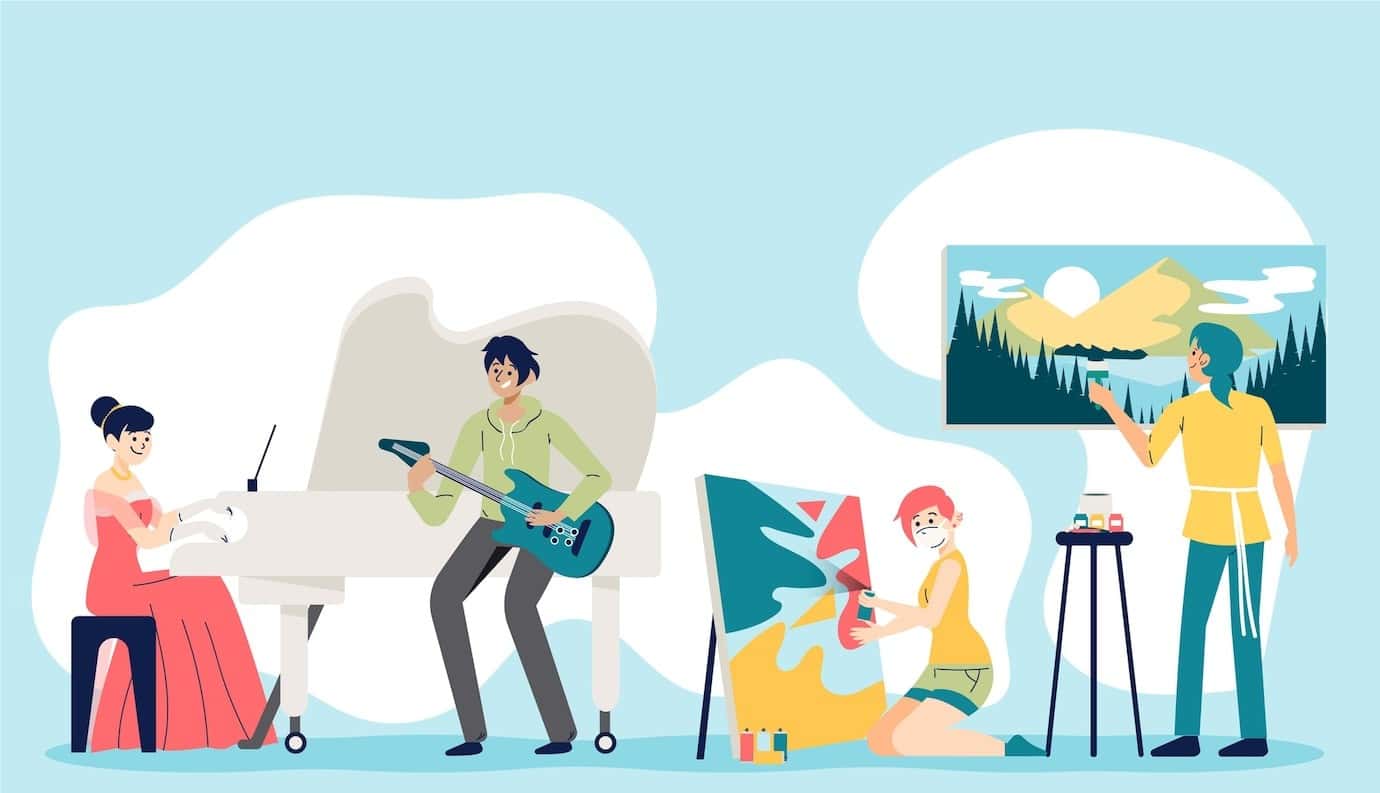

In today's educational landscape, creativity has become as essential as traditional academic skills. Arts education—spanning visual arts, music, dance, and theatre—develops imagination, emotional intelligence, and innovative thinking.
Manav Rachna International School (MRIS), one of the best schools in Sector 46, Gurugram, exemplifies this approach by integrating creative arts throughout its curriculum, creating an environment where students explore and excel through artistic expression. In this article, we explore how Manav Rachna International School's innovative approach to arts education is shaping well-rounded, creative students ready for the future.
Also Read | Beyond the Classroom: Exploring the World of MRIS Sector 46
The Importance of Arts in Education
Let us take a look at the importance of arts in education through the aspects discussed below:
1. Cognitive and Emotional Development
Arts education shapes how students think and learn by developing unique neural pathways. Research shows that consistent arts training improves attention, memory, and cognitive flexibility. Visual arts enhance spatial reasoning and fine motor skills, while music strengthens mathematical thinking and pattern recognition—benefits that extend across all academic subjects.
Emotionally, creative expression provides healthy outlets for processing complex feelings, building resilience, and developing self-awareness. Through arts, students learn to communicate emotions that might otherwise remain unexpressed, supporting mental health and emotional regulation.
2. Cultural Awareness and Global Citizenship
Arts education serves as a vehicle for cultural understanding in our diverse world. By studying artistic traditions from different regions and eras, students gain an appreciation for varied perspectives while recognizing our shared human experience. This cultural awareness fosters empathy and prepares young people for multicultural environments.
The collaborative nature of many arts activities teaches students to work effectively with others who have different backgrounds or viewpoints—essential skills for becoming thoughtful global citizens.
Visual Arts: Beyond Drawing and Painting
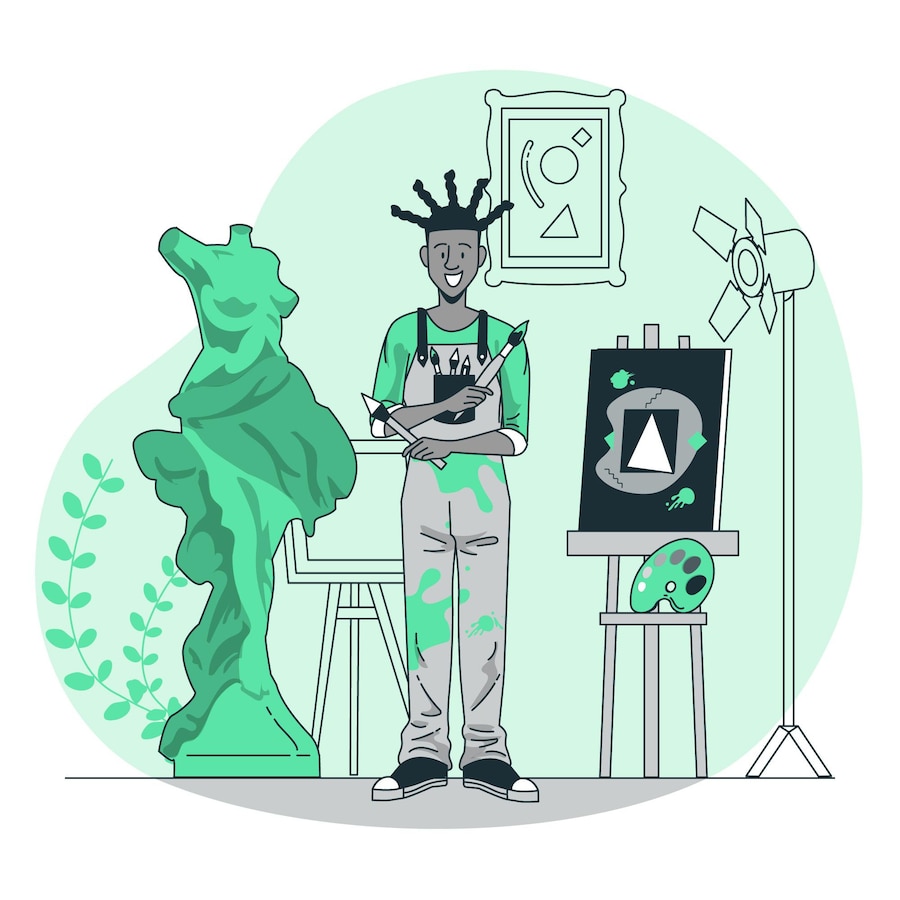
Today's visual arts education introduces students to a spectrum of artistic expressions: three-dimensional sculpture, digital design, textile arts, printmaking, mixed media, ceramics, and more. This comprehensive approach allows students to discover their strengths while developing versatile skills.
The process of creating art teaches valuable life skills such as patience, perseverance, and learning from mistakes. As students revise their work, they develop a growth mindset that serves them across all areas of learning.
Innovative educators use art integration to make abstract concepts tangible and visual. Students might create anatomical models in science, design historical murals in social studies, or use colour theory to understand mathematical patterns. These cross-disciplinary connections make learning more engaging while accommodating diverse learning styles.
The Power of Music in Education
Musical training engages multiple brain areas simultaneously, strengthening neural connections and enhancing executive function. Studies show that music education correlates with improved mathematical reasoning, reading fluency, and phonological awareness.
Music instruction develops crucial skills including sustained attention, working memory, cognitive flexibility, and self-regulation—fundamental abilities that support learning across all domains.
When students participate in ensembles such as choirs, bands, or orchestras, they experience the joy of creating something beautiful through collective effort. These collaborative experiences teach active listening, coordination with peers, and balancing individual contribution with group harmony.
School music programs often become centres for community building, bringing together diverse students while developing confidence and stage presence that transfer to other forms of communication.
Performing Arts: Finding Voice and Presence

Theatre helps students develop communication skills, emotional intelligence, and creative thinking. By embodying different roles, students cultivate empathy as they consider varied perspectives and motivations.
Theatre production provides practical experience in collaboration, problem-solving, and project management—from scriptwriting to set design, students learn to coordinate multiple elements while working toward a shared vision.
Similarly, dance combines physical development with artistic expression, improving coordination, balance, and stamina while teaching body awareness. Learning choreography enhances spatial memory, sequencing ability, and rhythmic understanding.
For kinesthetic learners especially, dance offers an important avenue for self-expression that might not be available through other educational approaches.
Technology and Digital Creativity
The digital revolution has introduced powerful tools for creative expression. Today's students explore digital animation, music composition software, virtual reality art, and multimedia production—skills that prepare them for emerging careers in digital media and interactive arts.
Digital platforms enable global collaboration and sharing of creative work, connecting students with audiences beyond their local communities while broadening cultural perspectives.
Effective arts education maintains a balance between technology and hands-on practices. Traditional art-making engages sensory experience through physical materials—the resistance of clay, the texture of paint, the resonance of acoustic instruments—developing tactile awareness that digital work alone cannot provide.
A balanced approach integrates new technologies while preserving timeless artistic traditions, preparing students to work fluidly across both physical and digital realms.
Check Out | Leveraging Digital Tools in K-12 Education
MRIS Sector 46, Gurugram: A Hub of Creative Education
Established in 2008, Manav Rachna International School in Sector 46, Gurugram has earned recognition for its exceptional approach to education. The school's 5.15-acre campus serves students from Pre-Nursery to Grade 12 with an optimal 12:1 student-teacher ratio.

MRIS Sector 46's commitment to creativity is evident in its purpose-built facilities and comprehensive artistic programs. The Visual Arts curriculum spans multiple mediums from traditional painting to digital design, while regular workshops with visiting artists expose students to diverse techniques and perspectives. The campus features an open-air theatre called 'Manch' that hosts numerous cultural events throughout the year, providing students with authentic performance experiences.
Performing arts programs thoughtfully integrate both Indian and Western music traditions, various dance forms from classical to contemporary, and comprehensive theatre education that develops both performance and production skills. Additionally, innovative initiatives like "Media Shala" develop professional communication and production skills, allowing students to explore modern creative expression through digital platforms.
What distinguishes MRIS Sector 46 is its holistic approach where creativity permeates every aspect of the school environment. The extensive library with over 22,000 volumes supports research and inspiration, while outdoor learning spaces encourage nature-inspired creativity.
One of the best IB schools in Gurgaon, MRIS’ vision centres on developing transformational leaders equipped to design a better future through innovation and creative problem-solving. By integrating creativity throughout its educational model, MRIS prepares students not just for examinations, but for meaningful contribution in a rapidly changing world.
For more information on this and other such schools, check out this list of the best schools in Gurgaon.







 as a preferred source on