







In today's rapidly evolving educational landscape, the focus has shifted from purely academic excellence to nurturing well-rounded individuals. Educational institutions are recognizing that success in the modern world requires more than just strong academic performance. Students need to develop creativity, emotional intelligence, and diverse skill sets to thrive in an increasingly complex global environment.
Holistic education, which integrates academic learning with creative and performing arts, plays a crucial role in developing essential life skills. This approach helps students discover their talents, build confidence, and develop critical thinking abilities while fostering cultural awareness and social skills.
The Millennium School, one of the best schools in Knowledge Park V, Greater Noida West, exemplifies this comprehensive approach through its Talent Development Programme (TDP), creating an environment where students can explore their artistic potential while excelling academically. The school's commitment to nurturing each child's inherent talents aligns with the growing recognition that arts education is fundamental to developing future leaders and innovators.
In this article, we explore the evolution of educational paradigms, examine how performing arts catalyze student development, and showcase The Millennium School's innovative approach to talent development through its specialized programs in visual arts, music, dance, and theatre.
Also Read | What Does Futuristic Education Look Like at The Millennium School?
The Evolution of Educational Paradigms
Modern education has undergone a significant transformation from the traditional chalk-and-talk method to a more inclusive approach that values creative expression. This shift reflects our growing understanding of multiple intelligences and diverse learning styles. Educational institutions worldwide now recognize that integrating arts into the curriculum enhances cognitive development, critical thinking, and problem-solving abilities.
The National Education Policy 2020 emphasizes the importance of arts integration in education, recognizing its role in developing creativity, innovation, and cultural awareness among students. This policy framework supports schools in implementing comprehensive arts education programs that complement academic learning.
Performing Arts: Catalysts for Student Development
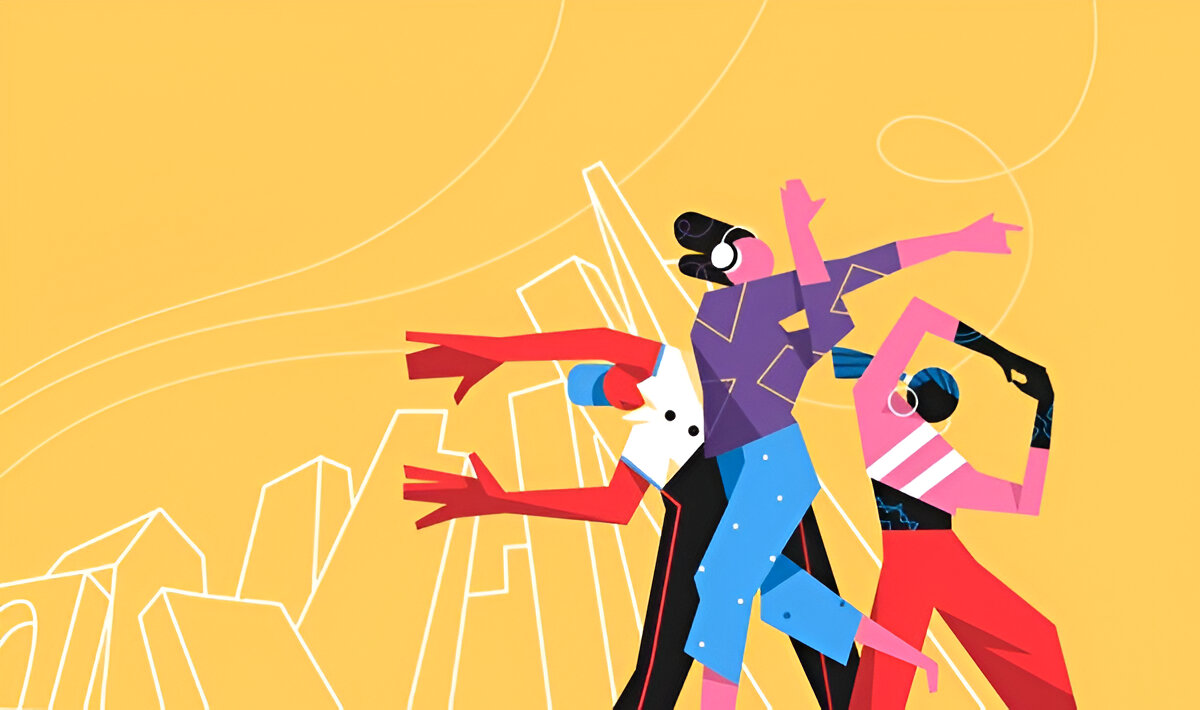
Performing arts education extends far beyond entertainment value, serving as a powerful tool for cognitive and personal development. Students engaged in arts activities demonstrate improved memory, enhanced spatial-temporal skills, and better abstract reasoning abilities. These skills directly translate to improved performance in subjects like mathematics and sciences.
The social-emotional benefits of arts education are equally significant. Through collaborative artistic projects, students develop empathy, emotional regulation, and interpersonal skills. These experiences help create more confident, self-aware individuals capable of expressing themselves effectively.
Visual Arts in Modern Education
Visual arts education develops essential cognitive and motor skills while fostering creative thinking. Through activities like painting, drawing, and sculpture, students learn to observe, interpret, and represent the world around them. This visual literacy becomes increasingly important in our image-driven digital age.
Art education also serves as a window to different cultures and historical periods. Students learn to appreciate diverse artistic traditions, developing cultural sensitivity and global awareness. The process of creating art helps develop patience, attention to detail, and the ability to think both critically and creatively.
Music Education: Beyond Notes and Rhythms
Music education impacts brain development in unique ways. Learning music enhances auditory processing, memory, and mathematical thinking. Regular musical practice develops discipline, focus, and time management skills that benefit students across all academic areas.
The study of both Western and Indian classical music provides students with a deep understanding of different cultural traditions. Through ensemble performances, students learn the importance of coordination, timing, and working harmoniously with others.
Theatre Arts: Staging Success in Life
Theatre education develops crucial life skills including public speaking, emotional expression, and teamwork. Students learn to project their voice, control their body language, and communicate effectively with diverse audiences. These skills prove invaluable in academic presentations, professional settings, and personal interactions.
Through character study and role-playing, students develop empathy and emotional intelligence. They learn to understand different perspectives and express complex emotions appropriately. The collaborative nature of theatre productions also builds leadership skills and team spirit.
Dance: Moving Towards Complete Development
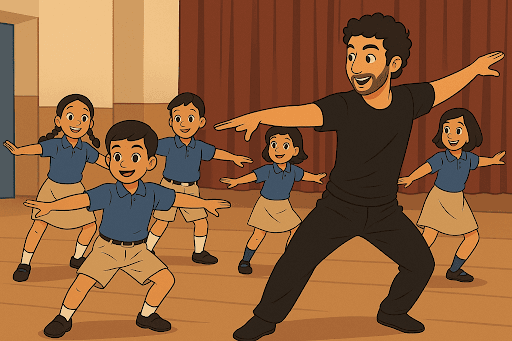
Dance education combines physical activity with artistic expression, promoting both physical fitness and emotional well-being. Regular dance practice improves coordination, balance, and spatial awareness while building strength and flexibility. These physical benefits complement the development of rhythm, timing, and musical appreciation.
Through learning various dance forms, students gain exposure to different cultural traditions and artistic expressions. This cultural literacy helps develop more open-minded, globally aware individuals who appreciate diversity in all its forms.
Check Out | 7+ Life Lessons Students Learn Through Dance
The Millennium School, Greater Noida West: Nurturing Talents Through Innovation
Established in 2018, The Millennium School, Greater Noida West has emerged as a leading CBSE institution dedicated to holistic education. Spread across 4 acres, the school maintains an optimal student-teacher ratio of 12:1, ensuring personalized attention for each student. The school's state-of-the-art campus includes specialized facilities for various performing arts.

The Millennium School's Talent Development Programme stands as a testament to its commitment to holistic education. The program operates through specialized learning centres equipped with state-of-the-art facilities, including dedicated art rooms, music studios, dance halls, and theatre spaces. Each facility is designed to provide an optimal learning environment for specific artistic disciplines.
Students are encouraged to select at least one performing art form to pursue alongside their academic studies. One of the best CBSE schools in Greater Noida West, The Millennium School integrates TDP sessions into the weekly curriculum, ensuring regular practice and skill development. Expert instructors, chosen for their expertise and teaching ability, guide students through structured learning programs in their chosen disciplines.
The program's success lies in its systematic approach to skill development. Regular assessments track student progress, with detailed feedback provided to help students improve their techniques and expression. These achievements are formally recognized in academic reports, emphasizing the school's commitment to valuing artistic development alongside academic performance.
Special events and performances throughout the academic year provide students with platforms to showcase their talents. From classroom presentations to large-scale productions, these opportunities help build confidence and stage presence. The school also facilitates participation in inter-school competitions and cultural events, allowing students to gain exposure and experience beyond the campus.
For more information on this and similar schools in the area, check out this list of the best schools in Greater Noida West.









 as a preferred source on