







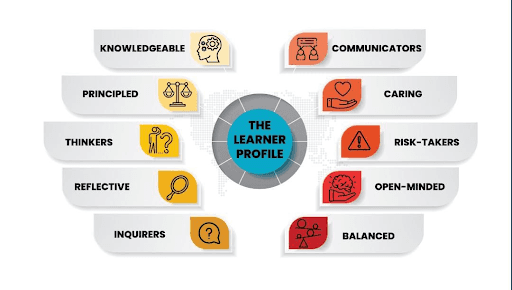

What if education weren’t just considered as a metric of scoring well in the exams, but instead about shaping a curious, confident, and globally aware adult?
As parents, the most often asked question to ourselves is whether our children are truly prepared. The more important question to ask is: Are they ready for life, not just in terms of exams, but with emotional intelligence, a sense of purpose, and the ability to manage their emotions?
That's when the International Baccalaureate (IB) Diploma Programme stands apart from all, which doesn’t follow the traditional route of rote learning and rigid exam structure. Instead, it reforms how students learn by helping them connect ideas across subjects, reflect on real-world issues, and develop the skills they’ll need long after the classroom.
In a world where information is abundant but wisdom is rare, the IB focuses on how students think, question, and engage, and how schools like MRIS, one of the best schools in Faridabad, offer an education that transforms children.
Also Read | How IB Builds Future-Ready Learners at MRIS, Faridabad Sector 14
A Shift from Memorisation to Meaningful Understanding
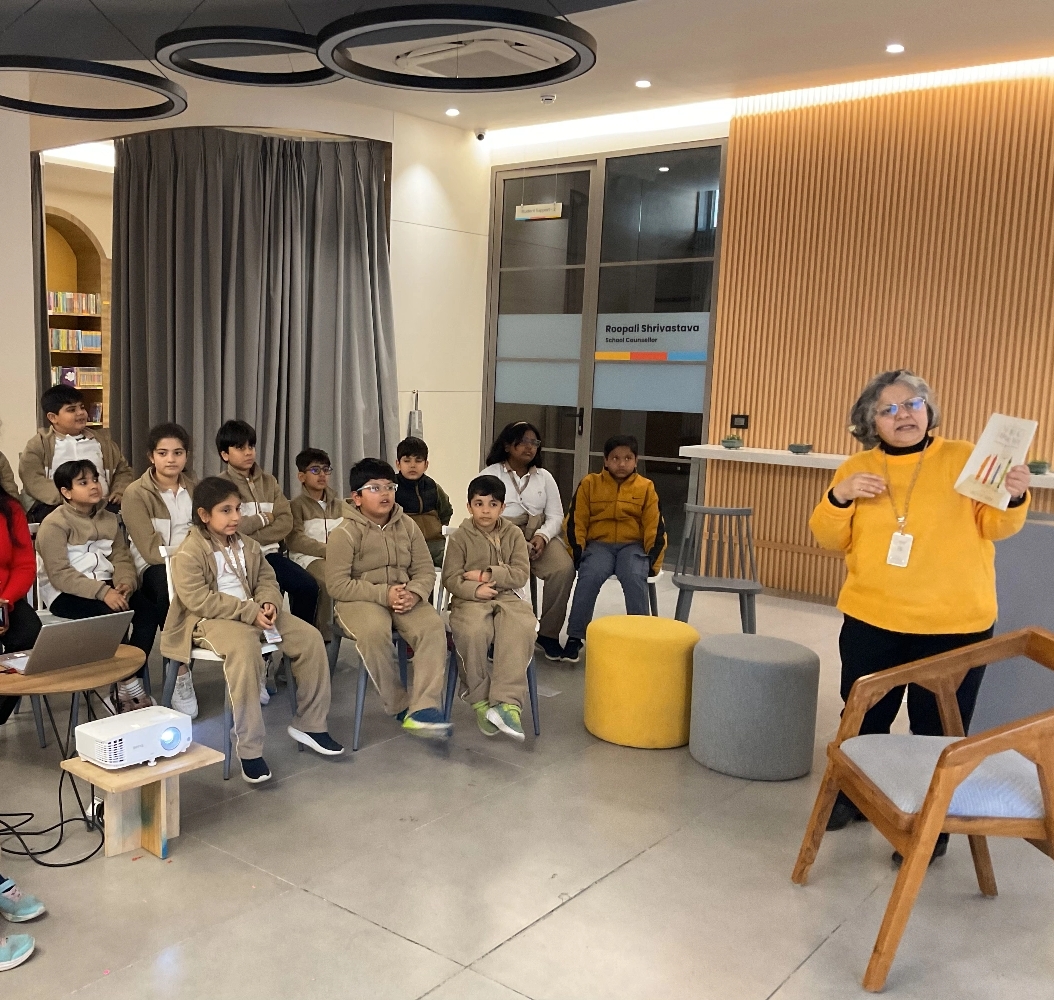
Learning goes far beyond textbooks and exams. The IB Diploma Programme (IBDP) is carefully implemented not just as a curriculum but as a foundation for lifelong learning. It transforms traditional schooling into a journey of confidence, curiosity and competence.
For parents, this means seeing their child grow into someone who thinks deeply and acts responsibly—both locally and globally. For students, it’s about finding their voice in a world full of perspectives. Here’s how:
- Broad yet Rigorous Curriculum: Students explore six diverse subjects, helping them see the bigger picture and connect concepts across disciplines. IBO on subject groups
- Critical, Independent Thinkers: IB learners are trained to research, question, and reflect.
- Ethical Global Citizens: CAS projects and TOK debates to develop empathy, global awareness, and a strong moral compass.
The Role of Theory of Knowledge (TOK): Thinking About Thinking
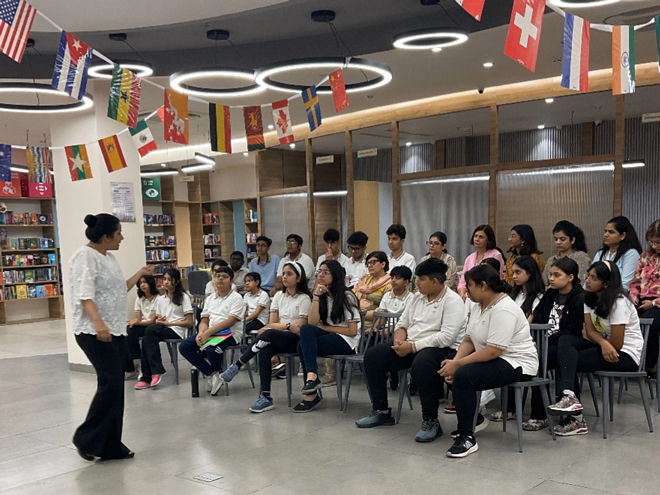
We live in a world where information is so readily available and wisdom is scarce. The Theory of Knowledge allows the students to slow down for a moment and ask themselves: How do I know what I know?
For both parents and learners, TOK builds the kind of mental discipline and open-mindedness that lasts long after school.
- Sharper Reasoning and Argument Skills: Students learn to build arguments with logic, evaluate biases, and see through flawed reasoning. This boosts not only academic performance but also decision-making in daily life.
- Understanding Multiple Perspectives: Through global case studies and class discussions, students begin to value viewpoints different from their own, essential in today’s diverse world.
- Ethical Thinking grounded in Real-life Situations: TOK doesn’t deal in abstract theories alone; it applies them to real-life issues like AI, climate ethics, fake news, or medical choices, helping students develop moral clarity and critical judgment.
Creativity, Activity, Service (CAS): Learning Beyond the Classroom
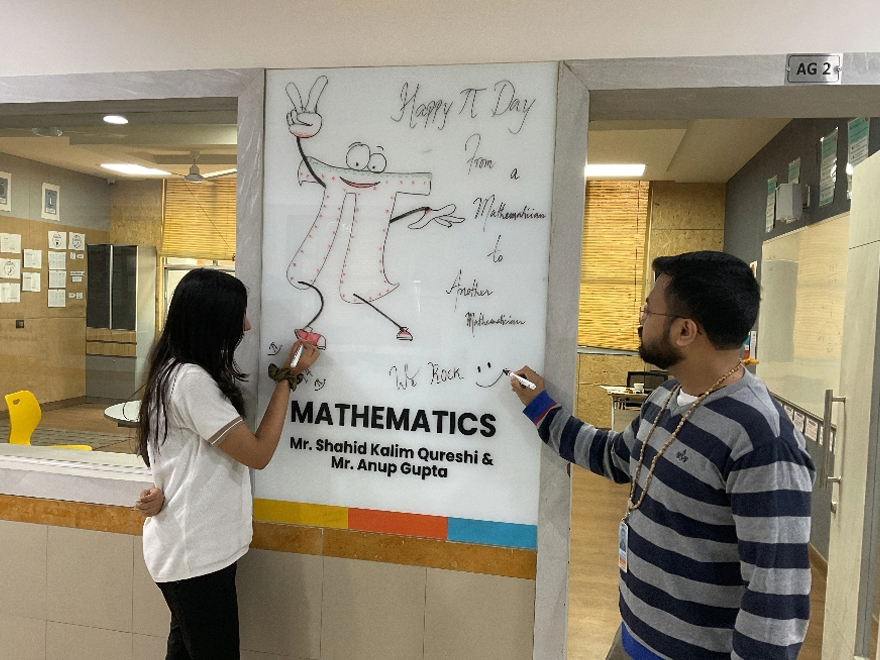
While academics form the basis of the IB Diploma Programme, Creativity, Activity, and Service aren’t just extra-curricular boxes that needs to be ticked instead they are experiences that allow students to go outside the classroom and explore who they are, how they connect with others, and what difference can they make in the world. CAS is where students discover leadership, resilience, empathy, and joy, but not through exams, instead through action.
Here’s how CAS nurtures in all three aspects:
- Creativity sparks Innovation: Whether it’s launching a student-led podcast, curating a digital art exhibition, or composing music for a school play, CAS encourages students to think creatively and express themselves.
- Physical Well-being through Activity: From yoga workshops to hiking expeditions and student-led fitness clubs, all of these promote a healthy lifestyle. A Harvard Health study shows that regular physical activity improves concentration, reduces anxiety, and strengthens mental resilience: exactly the kind of traits the IBDP nurtures through CAS.
- Service builds Empathy and Responsibility: Through community engagement, students learn that leadership often begins with listening. The learners can partner with local NGOs to conduct digital literacy sessions for underprivileged children and organized tree-planting drives in communities. These experiences help students grow into thoughtful citizens.
The Extended Essay (EE): Research That Builds Independence
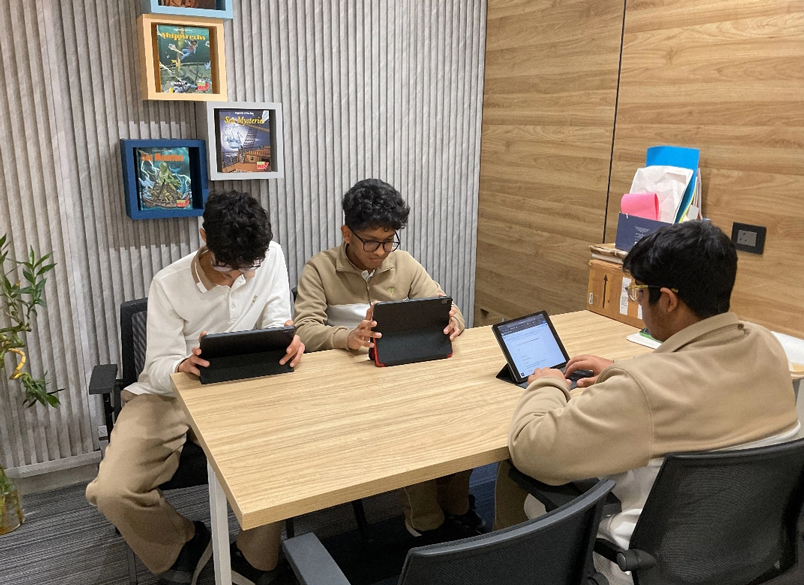
The EE is a powerful opportunity for your child to ask questions, take ownership, and develop habits that resonate far beyond school. The EE empowers students to explore a subject they’re truly interested in, developing key academic and life skills in the process. Here’s how:
-
Cultivating Academic Discipline through Self‑directed Research
Students choose a topic that ignites their curiosity, and it could be anything from the psychology of memory, a local environmental issue, to even a historical event. Guided by a supervisor, they independently find sources, evaluate their reliability, and further structure it. That kind of discipline builds perseverance, critical thinking, and a genuine sense of achievement.
-
Preparing for University‑level Expectations and Time Management
The EE requires around 4,000 words written over roughly 40 hours, with regular milestones and reflections. It is considered as the actual training in drafting, pacing and rushing to the deadlines, making the children learn the art of efficient planning and structured academic work.
Check Out | Redefining Early Education with IB PYP at MRIS Sector 14, Faridabad
The MRIS Promise: An Education That Truly Transforms
Established in 2006, Manav Rachna International School in Sector 14 is one of the best IB schools in Faridabad. The school is known for its warm, student-centered approach, and provides a perfect combination of strong academics with lively campus life that ranges from its passionate football academy to active programmes in music, theatre, skating, and taekwondo.
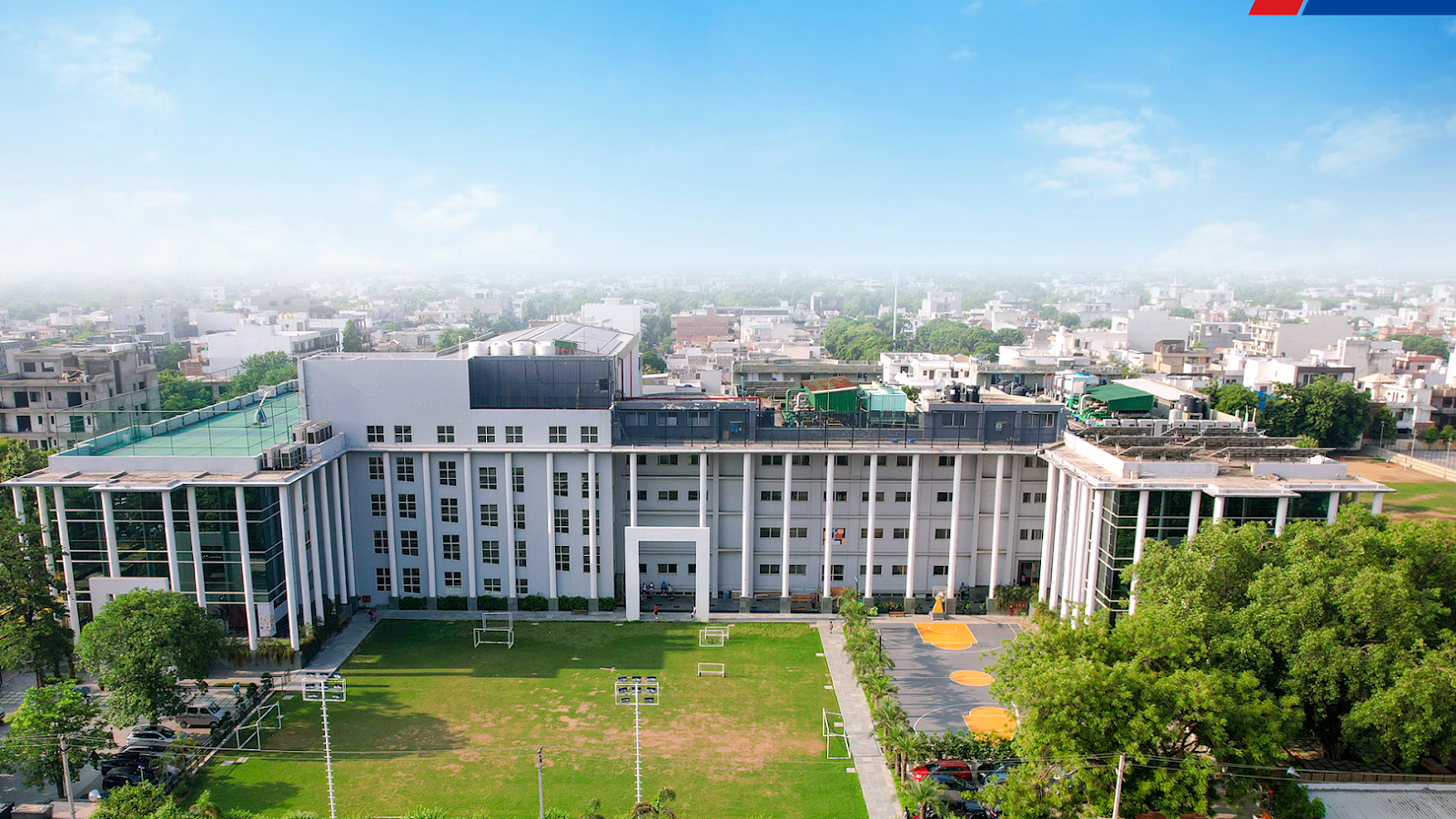
The reason for the school being set apart from others is the adoption of its forward-thinking embrace of the International Baccalaureate Diploma Programme (IBDP). This curriculum isn’t just about studying rigorously; instead, it's about learning deeply, acting with ethics and growing with an aim in life. This approach helps to develop students not just in one direction but instead in various directions including physically, intellectually, emotionally, and ethically.
The foundational years even aim also lie in building strong and clear basics for the students. The students are engaged in hands-on math activities, interactive storytelling, and multilingual experiences that go beyond rote learning. They begin to question the “why” behind what they’re learning, which even follows them in their middle and senior school.
MRIS Sector 14 has been recognised as the Best Middle School in Faridabad and earned accolades like the CBSE Innovators Topper in the Times School Survey 2023. With a 100% board exam pass rate and a growing number of top scorers, academic strength is clearly part of the story—but it’s the school’s focus on whole-child development that really stays with students and parents alike.
For more information on MRIS and other exceptional institutions in the region, explore this list of the best schools in Faridabad.











 as a preferred source on