








Gone are the days when early education meant rote learning and rigid routines. Today, it's about sparking curiosity, nurturing inquiry, and empowering young minds to think, question, and create. The IB Primary Years Programme (PYP) is transforming how children learn in their foundational years, offering a dynamic, play-based, and student-centred approach that shapes not just academic skills but confident, compassionate individuals ready to explore the world.
Manav Rachna International School (MRIS), Sector 14, one of the best schools in Faridabad, is crafting a new narrative—one that nurtures curiosity over conformity, and inquiry over instruction. At the heart of this revolution lies the International Baccalaureate Primary Years Programme (IB PYP), a transformative approach that reimagines early education not just as a foundation but as a launchpad for lifelong learning.
In this article, we'll explore how the IB PYP is transforming early education, with a spotlight on its impactful implementation at MRIS, Sector 14, Faridabad, which is crafting a new narrative—one that nurtures curiosity.
Also Read | Empowering Inclusivity | Autism Awareness Month in MRIS, Sector 14, FaridabadThe PYP Classroom: Where Every Child Leads
In a PYP (Primary Years Programme) classroom, learning is a dynamic experience driven by students’ curiosity, with exploration guiding the journey. The traditional approach to knowledge delivery shifts to an environment where inquiry is at the heart of every lesson. Children are encouraged to wonder, challenge, and explore topics that ignite their interests. They are not just learning about the world; they are discovering how to engage with it in meaningful, creative, and critical ways.
These classrooms thrive on flexibility and responsiveness. The walls showcase evolving evidence of student thinking, and questions take precedence over answers. Learning outcomes develop organically from authentic experiences. Teachers act as co-learners and mentors, creating opportunities that foster voice, choice, and ownership among students. Collaborative learning, peer collaborations, and self-reflections become regular practices, ensuring that each learner feels heard and valued.
Leadership emerges subtly but powerfully in this environment when a child takes initiative during a project, supports a peer facing a challenge, or proposes a new idea during circle time. This daily practice of shared responsibility and mutual respect fosters a community of empowered learners. In the PYP classroom, every child has a voice, every question matters, and every idea holds the potential to inspire.
Learning That Feels Like Life, Not a Lesson

The PYP brings learning to life by connecting classroom concepts with real-world experiences, making education feel less like a lesson and more like living and discovering. Let's explore how :
-
Learning That Mirrors Real Life: Instead of isolating subjects, PYP blends them through broad, relatable themes—like “Who We Are” or “How the World Works”—so learning feels meaningful and connected to the real world.
-
One Theme, Many Subjects: A single unit might combine science, language, art, and math. For example, while exploring “Sharing the Planet,” students might study ecosystems (science), write about endangered animals (language), create posters (art), and graph animal populations (math).
-
Naturally Curiosity-Driven: These themes spark questions that matter to kids, like “Why do people move?” or “How do we stay healthy?”—leading to genuine inquiry across multiple subject areas.
-
Big Ideas, Small Learners: Even at a young age, children engage with big-picture concepts like responsibility, sustainability, or identity because they’re framed in ways that make sense to their everyday experiences.
-
From Learning About to Learning Through: Instead of memorizing facts, children learn through exploration and personal connection—understanding not just content, but context.
Nurturing Global Citizens from the Start: Rooted Locally, Connected Globally

Young learners are nurtured to think globally while staying rooted in their culture, growing into open-minded, empathetic individuals ready to engage with the world around them. Let's explore how :
- Global Perspectives in Daily Lessons: Children explore diverse cultures, traditions, and viewpoints through stories, discussions, and collaborative projects, broadening their worldview from an early age.
- Respecting Differences, Celebrating Similarities: PYP classrooms nurture empathy and open-mindedness by encouraging students to understand and appreciate differences while recognizing shared human values.
- Languages as Gateways, Not Barriers: Exposure to multiple languages fosters communication skills and respect for linguistic diversity, helping children become confident global learners.
- Collaborative Learning Across Borders: Virtual exchanges, global themes, and international projects connect students to peers around the world, making global citizenship a lived experience.
- Acting Locally, Thinking Globally: Young learners are encouraged to take small actions, like sustainability drives or kindness projects, that have global relevance and local impact.
Beyond Books: Skill Sets for the Future

Every child is born with a natural spark of curiosity—a spark that, when nurtured, can ignite a lifelong love for learning. The IB Primary Years Programme (PYP) is designed to fan that flame from the very start, placing a strong emphasis on essential skills like critical thinking, communication, and collaboration. These aren't just academic tools—they're life skills that help children understand their world, ask meaningful questions, and connect thoughtfully with others.
In a PYP classroom, learning comes alive. It's not confined to the pages of a textbook or the structure of a test. Instead, children dive into hands-on experiences and dynamic group projects that inspire creativity, problem-solving, and inquiry. This active, student-led approach empowers them to take ownership of their learning journey, building confidence, independence, and a sense of purpose along the way.
At its core, early education with the PYP isn’t just about what children learn—it’s about how they learn. By cultivating adaptable, forward-thinking learners, the PYP prepares students not just for school, but for life in a world that’s constantly evolving.
Check Out | How the Early Years of Education Can Dictate Your Child's FutureManav Rachna International School Sector 14: Pioneering Early Education with IB PYP Excellence
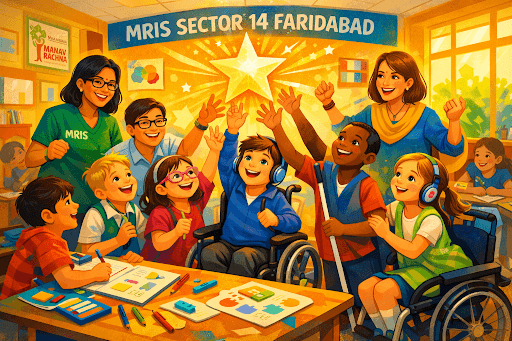
Manav Rachna International School, Sector 14, one of the best CBSE schools in Faridabad, was established in 2007. The school offers education from Pre-Nursery to Senior Secondary and is also a candidate for the IB Primary Years Programme (PYP), focusing on a balanced approach that combines academic excellence with holistic development.

The school is setting new standards in early education by fully embracing the IB Primary Years Programme (PYP). This globally recognized, student-centered approach transforms classrooms into vibrant learning hubs where curiosity thrives and inquiry leads the way.
-
Learning Through Exploration- Here, children aren't passive recipients of knowledge, they're active explorers. Encouraged to ask questions and think critically, young learners connect classroom concepts to their everyday lives. This hands-on, inquiry-based model nurtures independence, creativity, and confidence from the start.
-
Teachers as Facilitators, Not Instructors- Here, teachers serve as facilitators of learning, not just instructors. They guide students through carefully crafted units that merge multiple subjects using transdisciplinary themes. This method allows students to explore real-world topics like sustainability, identity, and community in meaningful, relatable ways.
-
Collaborative and Reflective Classrooms- Daily learning is filled with collaborative projects, open discussions, and reflective activities. These experiences not only deepen academic understanding but also build essential social and communication skills—tools that support children in and beyond the classroom.
-
Global Perspectives, Local Values- What truly distinguishes MRIS Sector 14 is its dual commitment to international-mindedness and cultural rootedness. Students are encouraged to explore global perspectives and engage in worldwide initiatives while staying deeply connected to their heritage and values.
-
Shaping Tomorrow’s Changemakers - By fostering empathy, respect, and a sense of responsibility, the school empowers children to take meaningful action within their communities and beyond. The holistic implementation of the IB PYP ensures that students grow not just academically, but also as compassionate, confident individuals ready to shape a better world.
For more information on this and other such schools in the area, check out this list of the best schools in Faridabad.




 as a preferred source on