









Autism isn’t a limitation — it’s a different way of experiencing the world. Characterized by unique patterns of communication, behaviour, and perception, autism is a neurodevelopmental condition that challenges conventional norms while offering extraordinary perspectives. Raising awareness isn’t just about understanding autism — it’s about embracing it, supporting it, and creating space for every mind to shine in its own light.
Manav Rachna International School, Sector 14, Faridabad, one of the best schools in Faridabad, is actively fostering autism awareness by integrating inclusive teaching practices, offering personalised learning support, and organising student-driven initiatives. In this article, we’ll explore the significance of Autism Awareness Month, the importance of embracing neurodiversity, and how Manav Rachna International School, Sector 14, Faridabad, is leading the way with inclusive education, tailored strategies, and a compassionate approach to support every learner.
Also Read | The Connection between Arts & Emotional Well-beingCelebrating Neurodiversity with Purpose

Neurodiversity is a celebration of the unique ways in which individuals think, learn, and process the world around them. It acknowledges that conditions like autism, ADHD, dyslexia, and others are not deficits, but simply variations of the human experience. By embracing neurodiversity with purpose, we create spaces where every individual’s strengths are recognised and valued.
The celebration of neurodiversity involves more than just awareness; it is about actively making adjustments to systems, from education to the workplace, to support people in ways that work for them. Schools, workplaces, and communities can embrace this by offering tailored learning strategies, inclusive environments, and promoting a culture of understanding.
The focus shifts from trying to fit individuals into existing frameworks to adapting those frameworks to fit a diverse range of minds. In this way, everyone benefits, as society becomes richer in perspectives and stronger in its ability to adapt to new challenges.
Personalized Support: Crafting Individualized Learning Paths for Every Student

Schools support students with learning disabilities through inclusive practices, personalised strategies, and a strong network of educators and resources, ensuring every learner has the opportunity to succeed. Let's explore how :
- Individualised Educational Programme (IEPs): Schools create personalised educational programmes based on each student’s specific needs and learning pace.
- Special Educators and Support Staff: Trained professionals work closely with students to provide one-on-one assistance and targeted interventions.
- Inclusive Classrooms: Schools promote mixed-ability classrooms where students with learning disabilities learn alongside peers, fostering empathy and collaboration.
- Use of Visual and Multi-Sensory Tools: Teachers incorporate visual aids, tactile learning, and audio resources to make concepts easier to understand.
- Focus on Emotional Well-being: Schools provide counselling and emotional support to help students build self esteem and resilience.
Tailored Teaching Strategies and Differentiated Instruction

Every student learns differently, and recognising this is the first step toward truly inclusive education. Tailored teaching strategies focus on meeting individual learning needs by adjusting the way lessons are delivered, practised, and assessed. Whether it's using visual aids, hands-on activities, or breaking down complex concepts into simpler steps, these strategies help bridge learning gaps and build confidence in students who need extra support.
Differentiated instruction goes hand-in-hand, allowing educators to adapt content, teaching methods, and assessment styles based on students’ readiness levels, interests, and learning profiles. It encourages flexibility in the classroom, offering multiple paths to understanding the same concept. For instance, while one student may benefit from a group discussion, another might grasp the idea better through a visual diagram or a written exercise.
Together, these approaches create a dynamic and supportive classroom environment where no student is left behind. By meeting learners where they are, teachers not only enhance academic excellence but also foster a sense of belonging, motivation, and self-worth in every child.
Creating Inclusive Classrooms

Inclusive classrooms are built on the foundation of respect, flexibility, and empathy. By adopting thoughtful strategies, educators can ensure that every student, regardless of ability, feels valued and supported. Here are some effective ways to make classrooms more inclusive:
- Inclusive Learning Environments: Create spaces where all students feel valued, using flexible seating arrangements and quiet areas for focused work, helping everyone thrive in their own way.
- Hands-on Learning Opportunities: Engage students through experiential learnings like field trips, experiments, or real-world applications that allow them to connect theory to practice.
- Differentiated Instruction: Personalized teaching methods and materials to meet the varied academic levels and interests of students, ensuring that every learner is challenged and supported appropriately.
- Encouraging Self-Advocacy: Empower students to take ownership of their learning by teaching them how to identify their strengths and areas for growth, and encouraging them to speak up for what they need.
- Celebrating Success and Effort: Recognise individual achievements and progress, big or small, to foster a positive and motivating classroom atmosphere where everyone feels encouraged to continue growing.
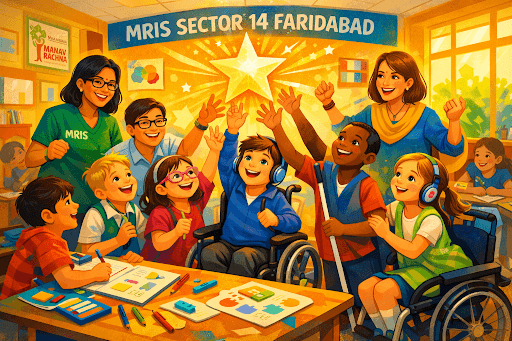
MRIS Sector 14: A Step Toward Inclusive Classrooms
Established in 2007, Manav Rachna International School (MRIS), Sector 14, is one of the best CBSE schools in Faridabad. It welcomes students from Pre-Nursery to Grade XII with a well-rounded curriculum to promote holistic development.

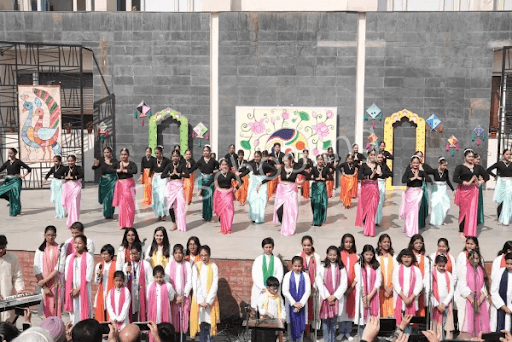
Autism Awareness Month, more than just a calendar event, serves as a powerful reminder of the beauty found in diverse minds and the importance of inclusion in education. At Manav Rachna International School, Sector 14, Faridabad, this awareness is not just observed; it’s lived, practised, and celebrated through meaningful initiatives that promote understanding, acceptance, and empowerment for every learner.
In observance of Autism Awareness Month, MRIS, Sector 14, Faridabad, took a significant step toward fostering inclusivity by conducting a dedicated workshop titled “Building Inclusivity in the Classroom”. The session was led by School Counsellor Pratishtha Satsangi and was designed to empower educators with practical strategies for supporting children with early childhood disorders such as ADHD, autism, and learning disabilities.
The workshop featured an engaging interactive session focused on behaviour management techniques tailored for real classroom settings, equipping teachers with tools to handle diverse learning behaviours effectively. As a visible gesture of solidarity for autism awareness, all participating educators wore blue attire, symbolising their commitment to the cause. The session culminated in an inclusive art activity that underscored the importance of diversity, expression, and acceptance.
For more information on this and other such schools in the area, check out this list of the best schools in Faridabad.

 as a preferred source on