









Every child learns differently. Some need extra time to process information, others struggle with focus or communication, while some face physical challenges that make traditional classroom learning difficult. These children don't need less education; they just need a different education. This is where Special Educational Needs (SEN) support becomes crucial.
Schools across India are slowly waking up to this reality. The days of one-size-fits-all teaching are fading. Parents now look for schools that truly understand diverse learning needs. They want environments where their children feel supported, not sidelined. Good SEN support can transform a struggling student into a confident learner. It builds skills, nurtures independence, and creates pathways to success that seemed impossible before.
One of the best schools in Gurugram, MRIS Sector 46, has built a comprehensive support system that goes beyond basic accommodations. In this article, we'll explore what effective SEN support actually looks like in practice. We'll break down the key components every strong SEN program should have.
Also Read | What a 2026 Classroom Looks Like With a Closer Look at How MRIS Is Designing Learning Spaces at MRIS 46
Understanding Special Educational Needs
SEN covers a wide spectrum of learning challenges. These include autism, ADHD, dyslexia, intellectual disabilities, speech difficulties, and sensory processing issues. Each child presents unique strengths and struggles.
Why Early Identification Matters
The sooner schools identify learning differences, the better. Early intervention prevents gaps from widening. Children receive support before frustration sets in. Teachers can adjust their approach while foundational skills are still developing.
Regular screenings help catch issues early. Observant teachers notice when a child consistently struggles with tasks that their peers handle easily. Parent input matters too—they see patterns at home that schools might miss.
The Multidisciplinary Approach Works Best
Effective SEN support needs multiple specialists working together. Special educators design individualised learning plans. Occupational therapists address sensory and motor challenges. Speech therapists work on communication skills. School counsellors support emotional well-being.
This team approach ensures children receive holistic support. A child with dyslexia might need reading interventions from a special educator, stress management from a counsellor, and fine motor support from an occupational therapist.
Core Components of Strong SEN Programs

Individual Education Plans
Every child with SEN deserves a customised learning roadmap. These plans outline specific goals, teaching strategies, and progress markers. They evolve as the child grows.
Good plans focus on building independence. They identify what the child can do now and map realistic next steps. Parents stay involved throughout the process.
Specialised Teaching Methods
SEN educators use different tools than those in regular classrooms. Multisensory learning helps students absorb information through multiple channels. Breaking tasks into smaller steps reduces overwhelm. Visual aids make abstract concepts concrete.
Repetition and reinforcement matter more with SEN students. Concepts need revisiting in different contexts. Patience becomes paramount—progress happens at its own pace.
Also Read | Social and Emotional Learning in the Early Years
Therapeutic Interventions
Many SEN students benefit from specialised therapies. Occupational therapy helps children develop daily living skills. It addresses sensory challenges that make classrooms overwhelming. Speech therapy opens doors for children who struggle to express themselves.
These therapies integrate with academic learning. A speech therapist might use curriculum vocabulary during sessions. An occupational therapist might work on handwriting skills needed for assignments.
Parent Partnership and Training
Parents aren't just observers—they're crucial partners. Schools should provide regular updates on progress. Workshops help parents understand their child's challenges better. Counselling supports families through difficult phases.
When parents understand teaching strategies, they can reinforce learning at home. Consistency between school and home accelerates progress.
Creating Inclusive School Cultures
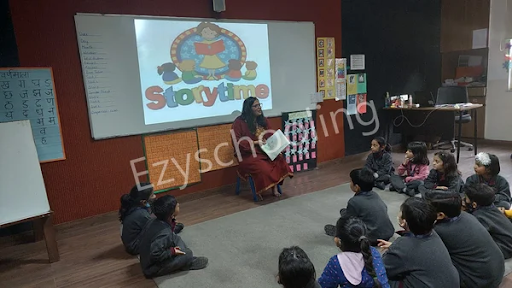
SEN support works best when schools embrace true inclusivity. This means more than having a special education department tucked away in a corner.
Classroom Integration
Many SEN students benefit from time in regular classrooms with appropriate support. This inclusion builds social skills and prevents isolation. It also teaches other students about diversity and empathy.
The key is flexible support. Some students need full-time special education. Others thrive with part-time assistance. Schools should offer both options.
Teacher Training
Regular classroom teachers need SEN awareness. They should recognise warning signs and understand basic accommodations. Training helps them create learning environments that work for all students.
Collaboration between special educators and regular teachers strengthens the entire school. Knowledge flows both ways.
Check Out | Where Every Child Matters: Inside the Inclusive Education Model of GBGS Bangalore
MRIS Sector 46 Gurugram: A Model for Comprehensive SEN Support
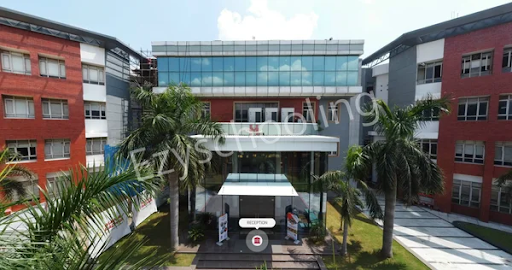
One of the best CBSE schools in Gurugram, Manav Rachna International School, Sector 46, established in 2008, serves students from toddlers through grade XII. The school follows the CBSE curriculum and spans five acres in the heart of Gurgaon. It has built a reputation for holistic education that truly includes every learner.
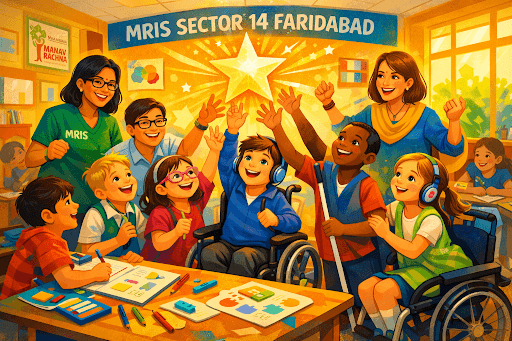
Since 2013, MRIS-46 has operated a dedicated Special Educational Needs Department. The program supports students with autism, ADHD, intellectual disabilities, and learning disabilities. The team provides individual and group classes focused on each child's specific needs. They work on cognition, learning skills, behaviour modification, and social-emotional health.
What sets MRIS-46 apart is the integration of allied therapies. The school offers occupational therapy to help children meet developmental milestones and overcome sensory challenges. Their speech and language therapy program empowers students to communicate effectively in academic and social settings.
The SEN department conducts skill-based assessments, provides parent counselling and workshops, and supports students with physical and sensory difficulties. This comprehensive approach ensures every child receives personalised support tailored to their unique communication and learning challenges.
Conclusion
Strong SEN support transforms lives. It gives children with learning differences the tools they need to succeed. Schools that invest in comprehensive programs, multidisciplinary teams, and inclusive cultures create environments where every student can thrive. MRIS Sector 46 demonstrates how dedicated support systems help children develop independence, build confidence, and reach their full potential—proving that with the right approach, every child deserves equal opportunities to learn and grow.
For more information on MRIS and other similar schools, check out this list of the best schools in Gurgaon.


 as a preferred source on