









Picture a classroom. What comes to mind? Rows of desks facing a blackboard? A teacher lecturing while students take notes? That image is rapidly becoming obsolete. The classrooms of 2026 bear little resemblance to those of the past. They're flexible, collaborative, technology-integrated spaces designed around how children actually learn. These environments recognise that learning happens through movement, conversation, experimentation, and play, not just quiet listening.
Progressive schools recognize that physical space has a profound influence on educational outcomes. Thoughtful design can spark curiosity, encourage collaboration, and make abstract concepts tangible. Manav Rachna International School, Sector 46, Gurugram, exemplifies this transformation with learning spaces that treat the environment as an active teaching partner.
In this article, we examine what defines a 2026 classroom, why traditional layouts fail to meet the needs of modern learners, and how innovative spatial design can create transformative educational experiences.
Also Read | 8 Pillars That Shape Tomorrow's Leaders
The Death of the Traditional Classroom
Traditional classrooms served an industrial-age education model with uniform instruction, predictable outcomes, and passive absorption. But that world no longer exists. Modern learning demands spaces that support diverse activities, collaboration, and student agency. Let's examine why conventional designs are disappearing.
Why Rows of Desks Don't Work Anymore
The classic classroom layout assumes learning happens through one-way transmission of information. This setup limits interaction, restricts movement, and forces everyone into identical learning experiences regardless of individual needs.
Research shows passive sitting reduces concentration and retention. Students learn better when they can move, collaborate, and engage with materials hands-on. Static furniture arrangements prevent these essential activities.
The Neuroscience Behind Learning Spaces
Brain science reveals environment directly impacts cognitive function. Natural light regulates circadian rhythms, improving alertness and mood. Poor acoustics create cognitive strain, reducing comprehension significantly.
Colours affect psychology; blues and greens promote calmness, while warmer tones stimulate creativity. Temperature, air quality, and furniture comfort influence how well brains process information. Movement enhances learning by increasing blood flow to the brain.
Defining the 2026 Classroom
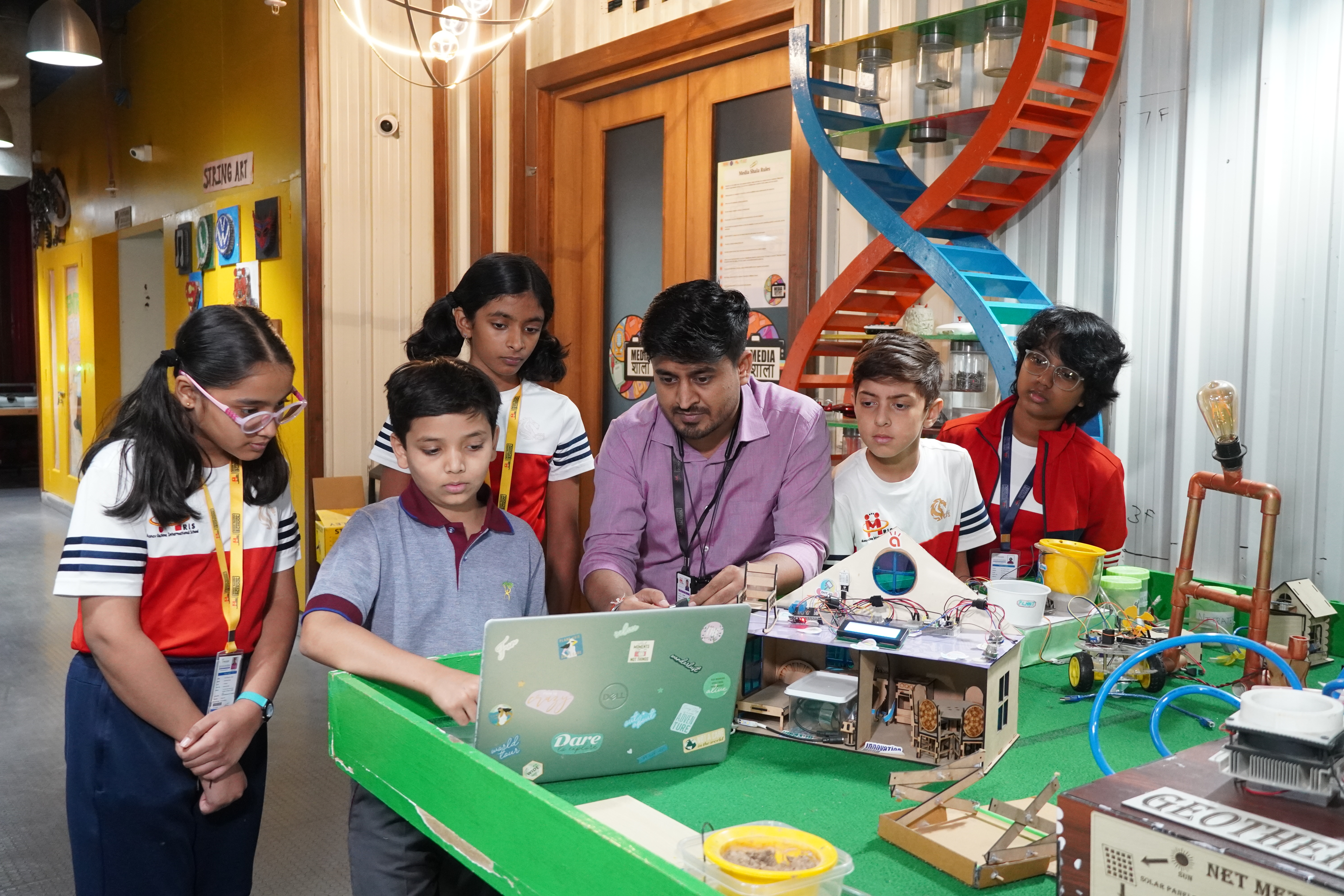
What distinguishes tomorrow's learning spaces from yesterday's? It's not just about adding technology or colourful furniture. Modern classrooms embody fundamentally different philosophies about teaching, learning, and student development. Here's what makes them distinctive.
Flexibility is the New Foundation
Furniture in 2026 classrooms moves easily with lightweight chairs, tables on wheels, and modular seating. The same space transforms from a lecture hall to a workshop to a presentation venue within minutes, adapting to learning activities.
Different zones serve different purposes. Quiet corners offer focused individual work. Collaboration areas with large tables support group projects. Presentation spaces let students share discoveries.
Technology-Integrated, Not Technology-Driven
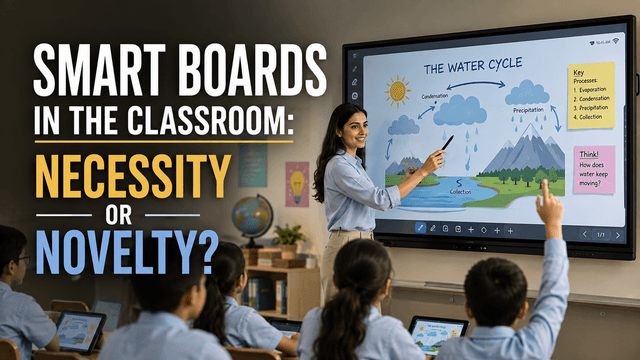
Interactive whiteboards, tablets, and digital displays enhance modern classrooms, but technology serves learning goals rather than dictating them. The best 2026 classrooms balance digital tools with hands-on materials, books, and art supplies.
Key technological features include:
- Interactive displays enabling collaborative problem-solving
- Device charging stations and reliable connectivity
- Digital portfolios documenting learning journeys
- Video conferencing capabilities for global connections
- Smart boards that save and share class notes instantly
Technology amplifies good teaching; it doesn't replace human interaction, discussion, and relationship-building.
Student-Centred Design Philosophy
Traditional classrooms prioritised adult convenience. Modern spaces flip this priority, asking first what students need to learn effectively.
Age-appropriate furniture matters. Toddlers need low tables and soft seating. Teenagers need ergonomic chairs and adjustable desks. Accessibility ensures all students navigate spaces comfortably.
Visual engagement transforms walls into learning tools. Student artwork, project documentation, and concept maps make thinking visible. Natural elements create welcoming environments that reduce stress.
Beyond Four Walls: Specialised Learning Studios
Standard classrooms alone can't support comprehensive education. Modern schools create purpose-built studios where specific skills develop through immersive, hands-on experiences. These specialised spaces acknowledge that different subjects benefit from tailored environments designed around their unique requirements.
STEM and Innovation Labs
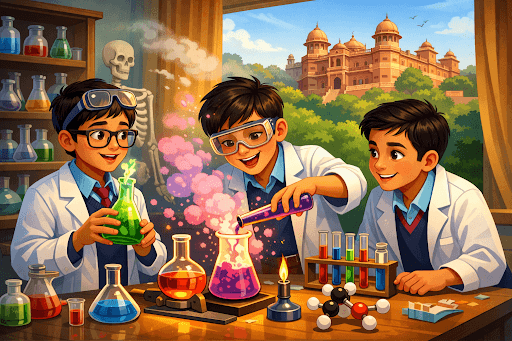
Science labs in 2026 aren't demonstration spaces where teachers perform experiments while students watch. They're investigation studios where learners formulate hypotheses, design experiments, and conclude direct manipulation of materials.
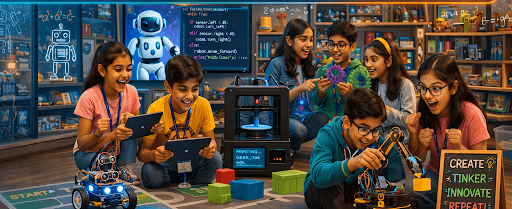
Maker spaces equipped with 3D printers, robotics kits, and coding stations encourage tinkering. Students don't just learn about technology; they also create with it, developing computational thinking and engineering skills.
Creative Expression Studios
Visual arts spaces offer diverse materials like paints, clay, textiles, sculpture tools, etc., letting students explore multiple media. Music and dance studios provide acoustic design and instruments supporting individual practice and ensemble work.
Media production facilities teach 21st-century communication. Students learn video editing, podcast production, graphic design, and digital storytelling, thus getting acquainted with competencies that are increasingly essential across all careers.
Outdoor Learning Environments
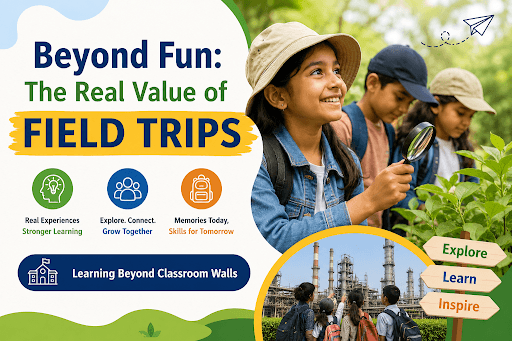
Nature isn't separate from education; it's an essential classroom. Outdoor spaces offer sensory experiences and environmental connections impossible to replicate indoors. Students develop observation skills and scientific curiosity through regular outdoor engagement.
Play zones are developmental spaces where social skills and physical capabilities grow. Gardens transform science education from abstract to tangible; students planting seeds understand life cycles viscerally.
The Role of Space as the Third Teacher
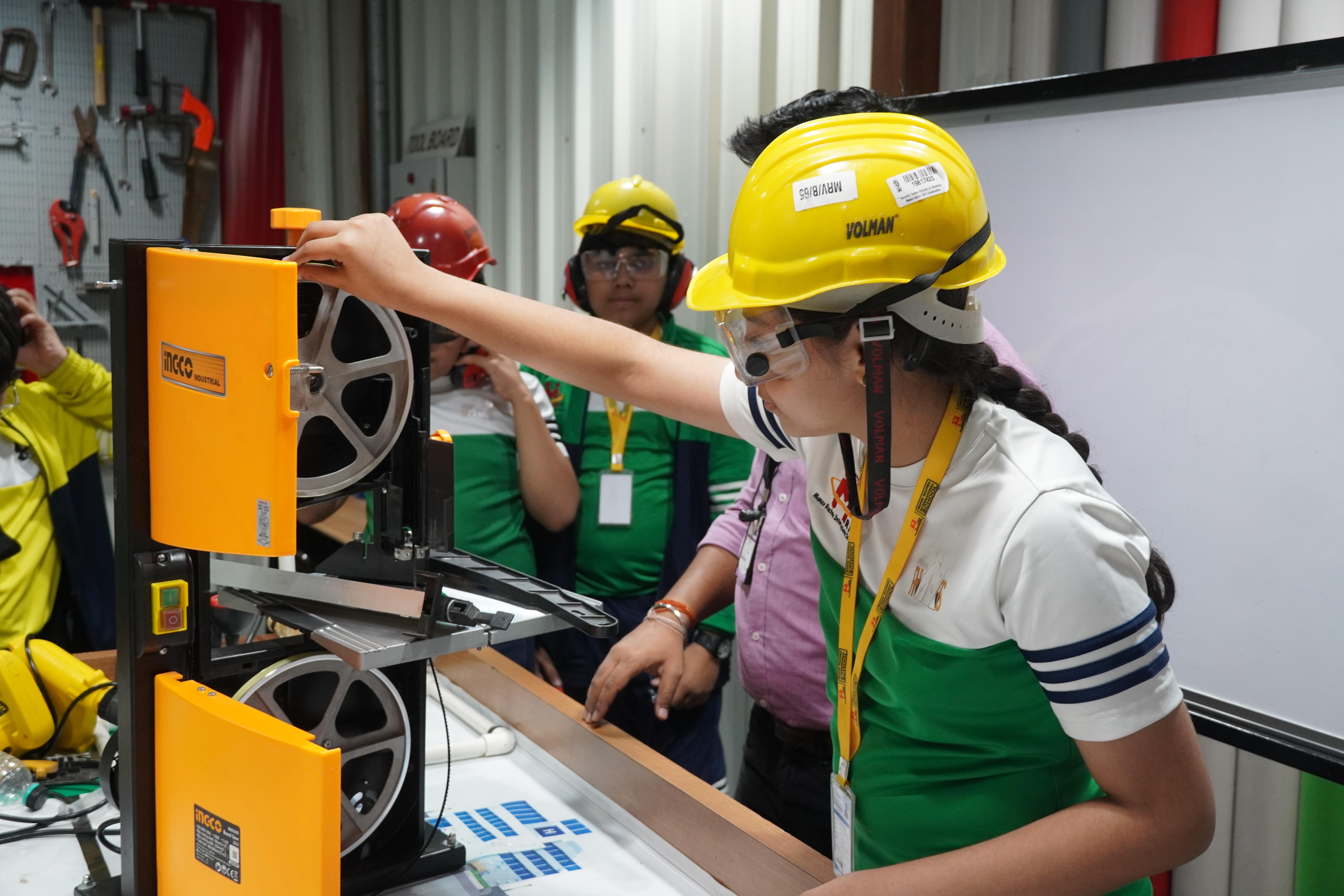
The Reggio Emilia educational philosophy describes space as "the third teacher"; after adults and peers, the environment itself teaches. Thoughtful design communicates values, invites exploration, and shapes how learners interact with materials and ideas. This section examines how physical environments actively participate in education.
Creating Environments That Invite Exploration
Well-designed spaces provoke questions rather than providing all answers. A collection of natural objects arranged at child height invites investigation. Natural materials, varied textures, and sensory elements engage multiple senses.
Student agency grows when environments offer choices. Multiple activity options respect individual interests. Children deciding where to work and what materials to use develop self-direction and decision-making skills.
Visual Documentation and Learning Visibility
Displaying student work isn't decoration but a pedagogical documentation, making learning processes visible. When classrooms showcase drafts, mistakes, and revisions, students see learning as iterative growth rather than fixed performance.
Gallery-style exhibitions create authentic audiences for student work. Process documentation, like photos of experiments, quotes from discussions, diagrams of evolving ideas, etc., reminds learners how far they've progressed.
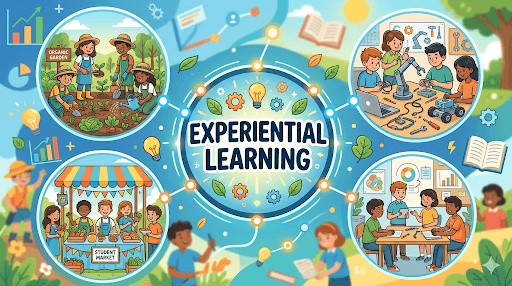
Check Out | How Experiential Learning Shapes Education
Manav Rachna International School, Sector 46, Gurugram: Pioneering Learning Space Innovation
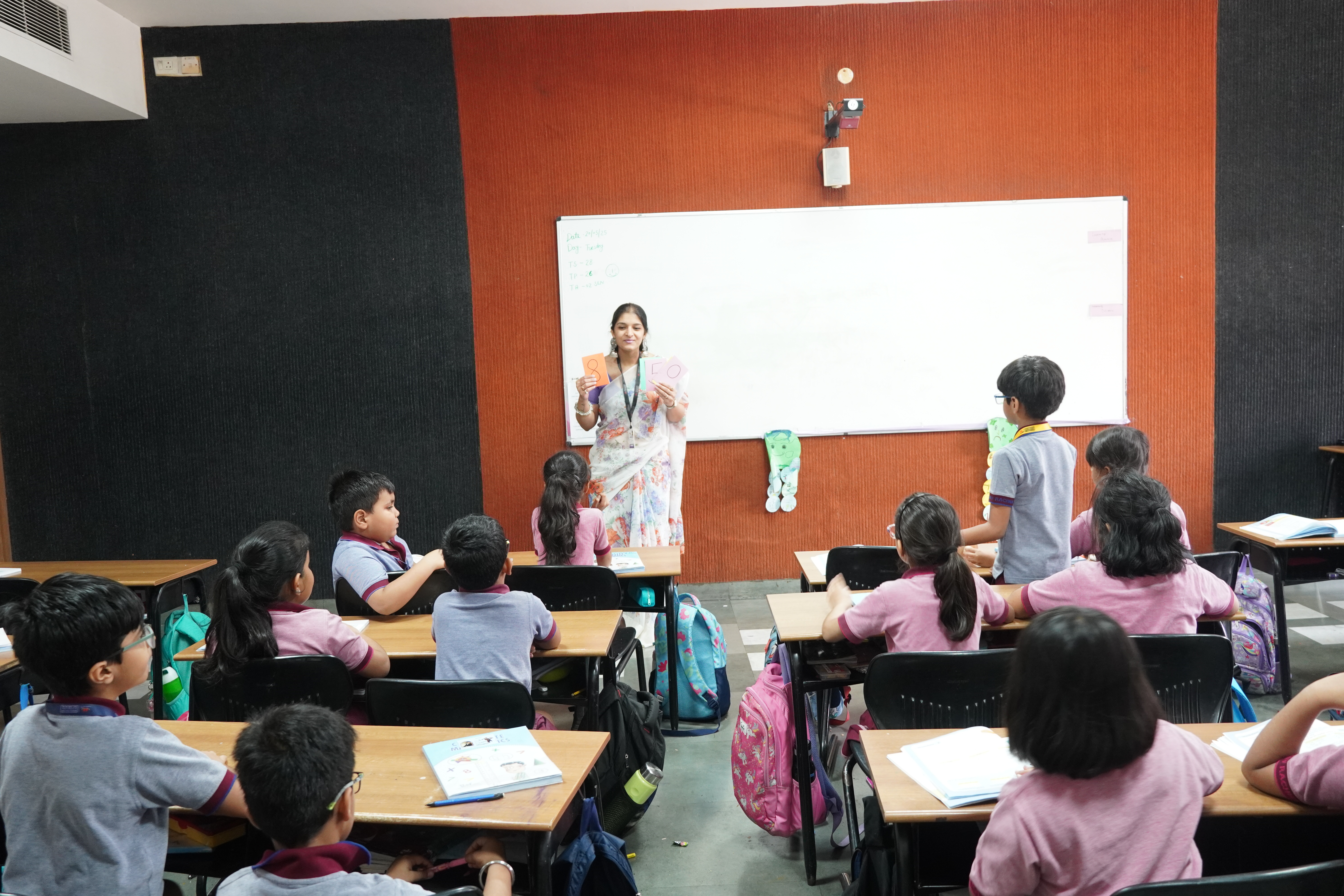
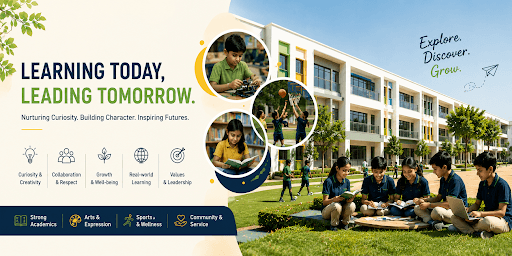
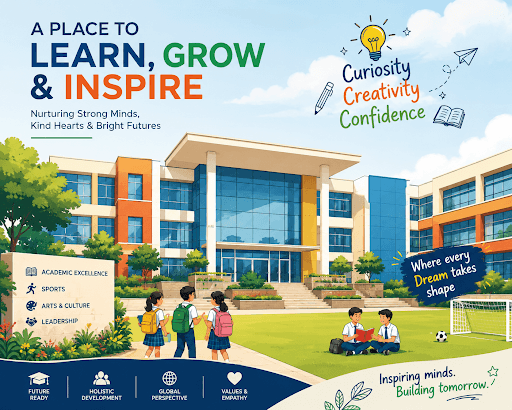
Established in 2008 across five acres in Sector 46, Gurugram, Manav Rachna International School serves students from toddlers through Grade XII under the CBSE and IB curriculum. The institution believes space functions as a third teacher.
Every classroom features flexible furniture enabling varied seating arrangements—individual desks, group tables, and floor seating. Natural light floods rooms while acoustic treatments ensure clear communication. Interactive boards enhance instruction without dominating it.
Futuristic physics, chemistry, and biology labs provide hands-on experimentation spaces. The Math Lab uses manipulatives, making abstract concepts tangible. ICT labs teach coding in HTML, Python, and artificial intelligence across grade levels.
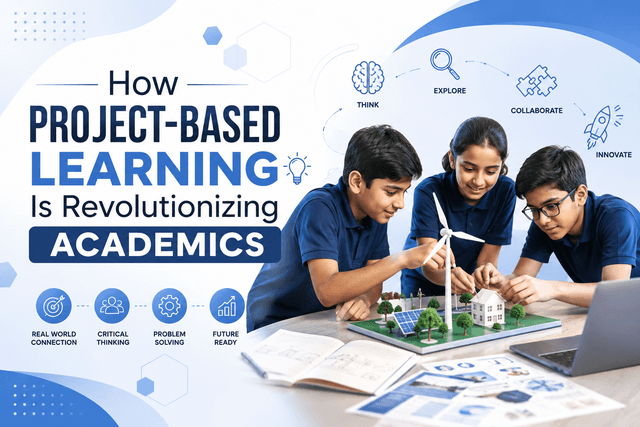
Media Shala, led by industry professionals, trains students in journalism, podcasting, and video production. Maker Shala offers project-based learning in AgriTech, Health Tech, Product Design, and Robotics. Tinker Shala for younger grades establishes scientific thinking foundations.
Visual arts studios stock diverse materials supporting varied artistic exploration. Performing arts spaces facilitate music, dance, and theatre programs. The library houses over 22,000 books plus digital resources accessible through a 24x7 online portal.
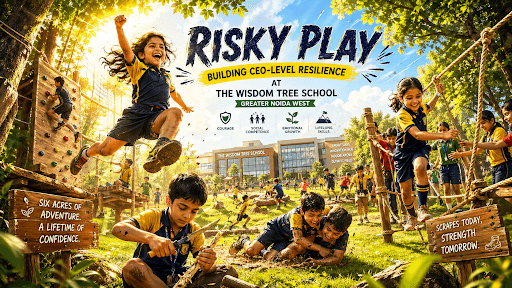
Play zones feature slides, monkey bars, and spring riders where children develop motor skills and social interaction. Outdoor learning spaces support nature walks and gardening projects. A semi-Olympic swimming pool and comprehensive sports facilities demonstrate a commitment to physical education.
Discover how Manav Rachna International School, located in Sector 46, Gurugram, creates innovative environments where thoughtful spatial design enhances education. Visit the campus to experience classrooms, studios, and outdoor spaces designed for how children actually learn. Apply Now to give your child access to learning environments built for tomorrow's world.
For more information on MRIS and other similar schools, check out this list of the best schools in Gurgaon.



 as a preferred source on