







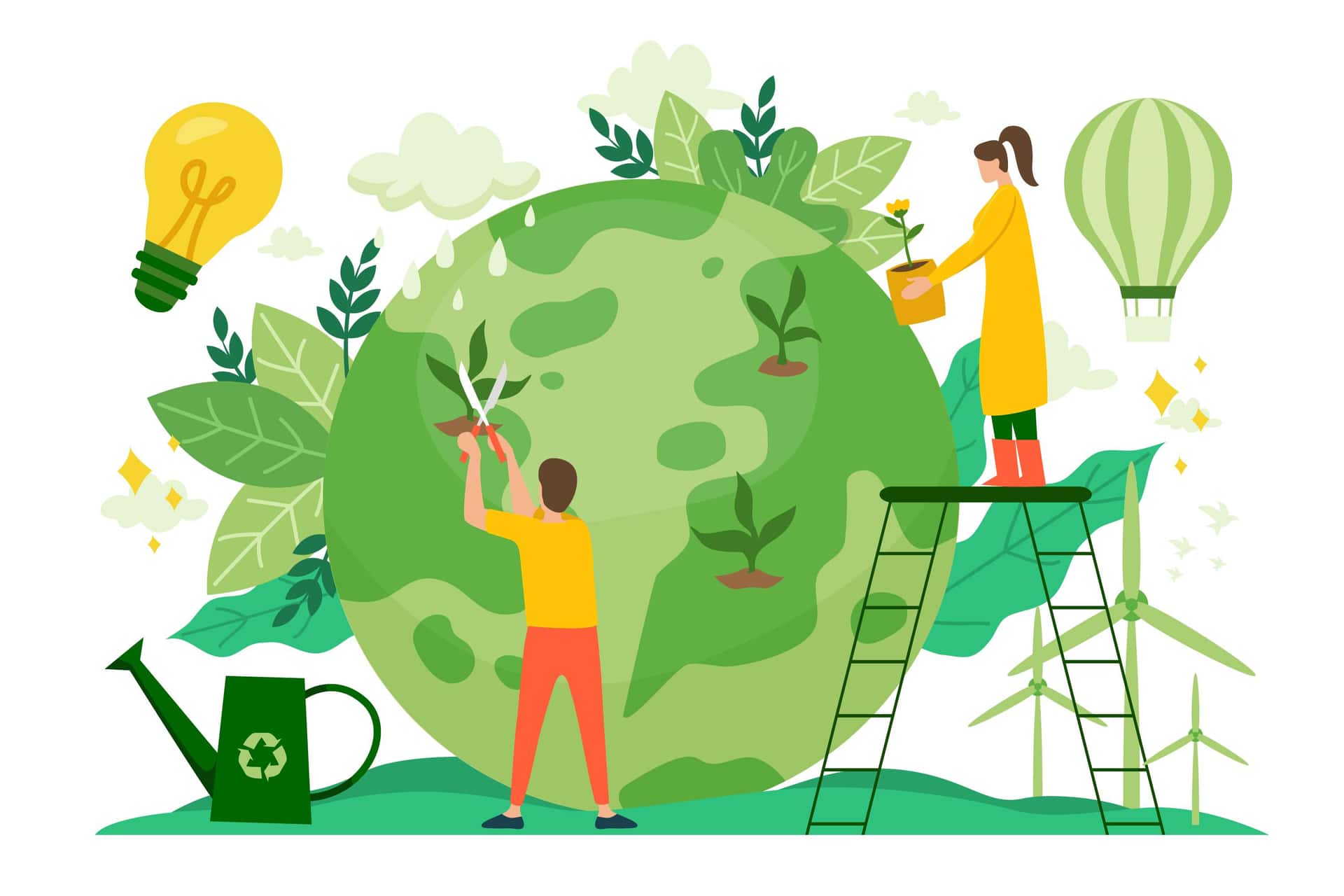

Today's kids are inheriting a world with social problems and environmental problems that have never been seen before. Schools all across the world are realising how important it is to include social responsibility and sustainability in their lessons. Schools are no longer merely places to learn; they are now places where young people learn to care for the environment and be good citizens.
Tiny Tots English School, one of the best schools in Pune, is a great example of this forward-thinking method because it includes environmental and social awareness in its curriculum. Students do meaningful things in kindergarten through high school that connect what they learn in school to the real world. This all-encompassing method guarantees that doing well in school goes hand in hand with developing good character and being responsible for the environment.
In this article, we explore how modern schools integrate environmental awareness and social responsibility into their curriculum, preparing students to become conscious global citizens and environmental stewards.
Also Read | Nurturing Young Minds With Innovative Learning
The Foundation of Environmental Awareness in Early Education
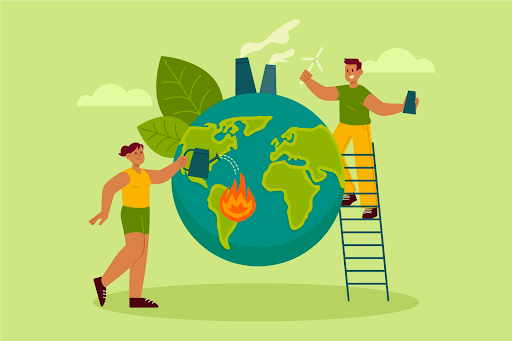
Early childhood is the most important time to teach kids about the environment. Kids are naturally curious about the world around them, so this is a great opportunity to teach them about sustainability and being responsible for the environment.
Why Young Minds Need Environmental Education
Kids between the ages of 3 and 12 learn a lot quickly and establish basic ideas about their relationship with nature. Studies show that learning about the world at a young age might lead to behaviour patterns that continue into adulthood.
During these important years, environmental education has several goals:
- Exploring outdoors and doing scientific research help kids learn how to observe.
- Makes emotional ties with nature, which helps people want to conserve it.
- Hands-on environmental issues help people get better at solving problems.
- Encourages people to take responsibility for their activities and how they affect the environment
Research shows that kids who take part in environmental education programs do better in all of their disciplines. Environmental learning brings together science, math, language arts, and social studies in a way that makes them stronger.
Building Eco-Literacy Through Hands-On Learning
Experiential learning is the most important part of good environmental education. Kids learn best when they can touch, see, and interact with the things around them.
Good eco-literacy programs include a variety of fun activities:
- School gardens where kids plant, care for, and pick veggies while learning about how plants grow and die.
- Recycling initiatives that turn trash into usable things, showing how the circular economy works
- Nature treks that help you notice things and learn about the environment
- Activities that track the weather and teach about climate and how to collect data
These hands-on activities make learning more memorable than just sitting in a classroom. While learning about environmental stewardship, students also learn how to think scientifically.
Teaching Kids to be Socially Responsible in School
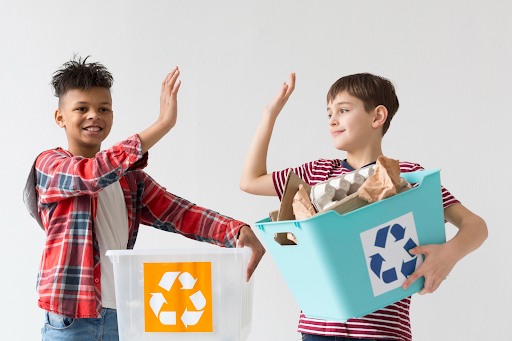
Teaching kids about social responsibility helps them become adults who know how to make their communities better. Schools are like small versions of society, where kids learn how to work together, care about others, and get involved in their communities via scheduled activities and projects that matter.
How Schools Help Build Character
Schools play a special role in character development and academic success. Schools set up regulated situations where kids can learn how to get along with others, settle disagreements, and think about right and wrong.
Character education programs in schools focus on these basic values:
- Building empathy by working with others and doing community service initiatives
- Moral problems that are appropriate for their age help kids learn how to make ethical decisions.
- Leadership chances that help people feel more confident and responsible
- Cultural awareness that encourages global citizenship and inclusion
The National Education Policy 2020 says that ethical reasoning and social responsibility should be basic educational goals.
Using Community Involvement as a Way to Learn
Community service projects are real-life learning activities that help students apply what they've learned in the classroom. These exercises help kids see how they are connected to the rest of society.
Community service activities that are suited for kids include:
- Cleanliness drives in local neighbourhoods teach kids how to care for the environment.
- Visits to care for the elderly help people understand each other across generations and build empathy
- Fundraising for good projects that teach people about social justice
These encounters leave lasting impressions about civic obligation and help people learn useful skills, including how to work together, talk to each other, and manage projects.
Integrating Sustainability Across the Curriculum
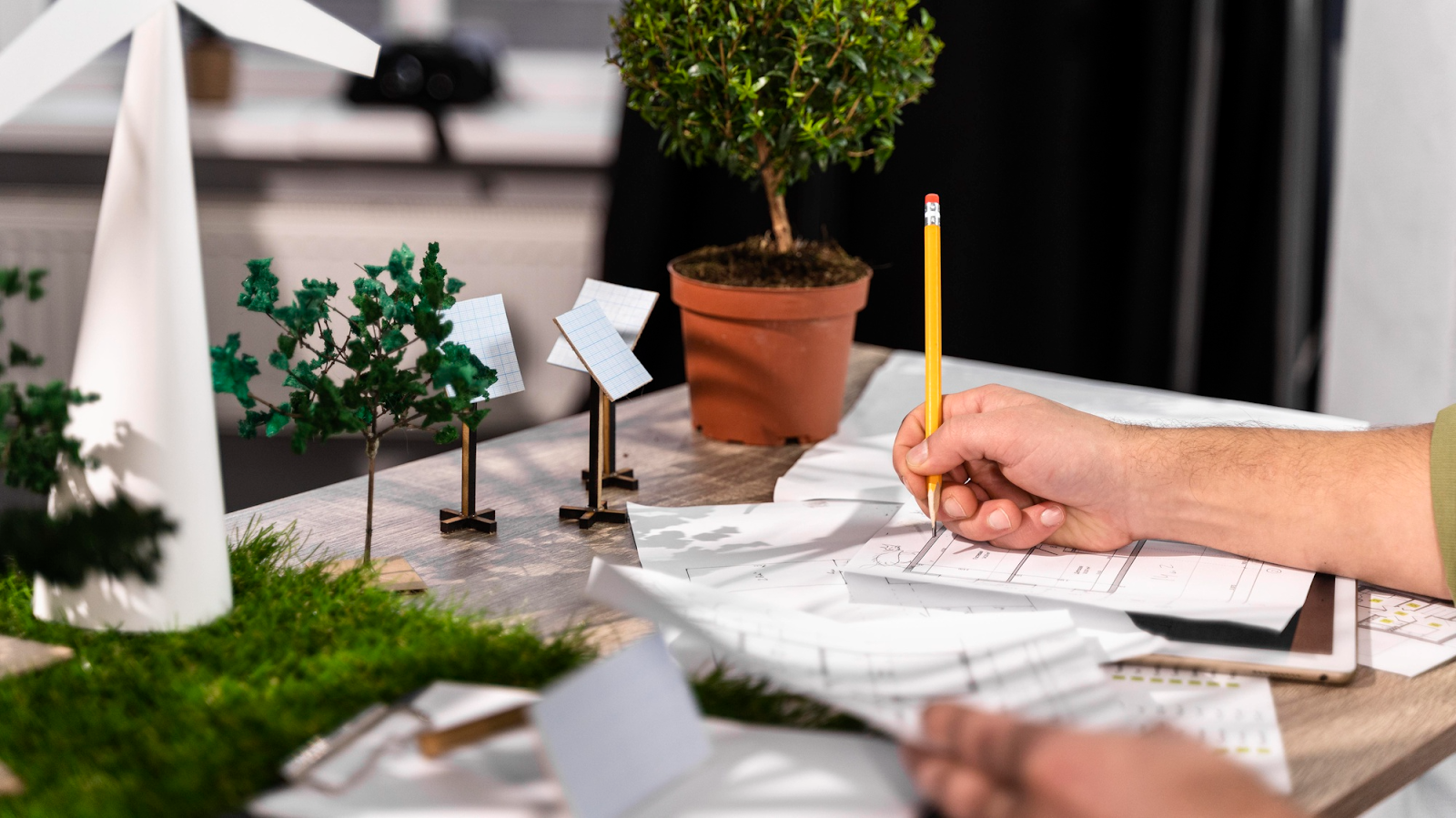
Modern ways of teaching know that learning about the environment and society can't be limited to certain subjects. These themes need to be present in all parts of the curriculum in order to develop a full understanding and long-lasting change in behaviour.
Cross-Curricular Approaches to Environmental Learning
Interdisciplinary learning helps students understand their topics by linking ideas about the environment from different subjects. This method is like solving problems in the real world, where you need to be aware of various fields to find a solution.
Some ways to integrate cross-curricular approaches to environmental learning are:
- Math through figuring out carbon footprints, monitoring how plants grow, and looking at statistics about the environment
- Language arts through reading environmental literature, writing persuasive essays regarding conservation, and doing research projects
- Science through looking at ecosystems, doing experiments with renewable energy, and studying climate change
- Social studies by looking at environmental regulations, how different cultures relate to nature, and how to grow in a way that is good for the environment
Students can engage with environmental problems while practising skills from multiple subjects when they work on project-based learning units that last for several weeks. These long studies are like real scientific and policy-making processes.
Technology and Environmental Education
Digital tools improve environmental education by giving students access to real-time data, virtual experiences, and relationships with people all over the world. But good programs find a balance between screen time and time spent in nature.
Some ways that technology can be used in environmental education are:
- Virtual tours to ecosystems and places where scientists study the environment around the world
- Apps for collecting data to keep an eye on the environment in your area
- Online tools for working together with pupils from different parts of the world
- Simulation software for making models of environmental systems and trying out solutions
Technology can help us learn about the environment in new ways, but nothing beats being outside to connect with nature on an emotional level.
Check Out | Technology as a Game Changer in EducationTiny Tots English School, Pune: Nurturing Environmental Stewards and Compassionate Citizens
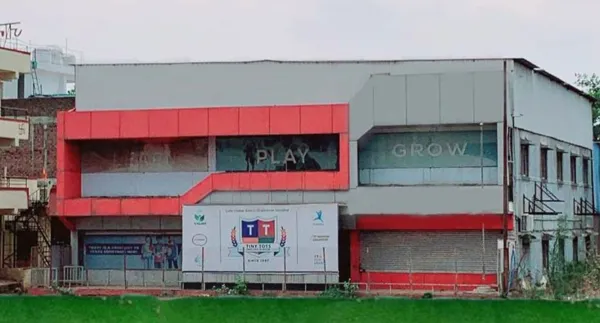
Tiny Tots English School, which opened in 1997, is a shining example of innovative education in Charholi Budruk, Pune. The school follows the CBSE curriculum and offers a full range of classes for children from kindergarten to high school. It focuses on both academic success and character development. The school's commitment to comprehensive education is clear in its modern facilities, competent teachers, and new ways of teaching.
The school's activities for social and environmental responsibility are a key part of its educational philosophy. Students of all ages do hands-on activities that link what they learn to the real world. From kindergarten kids taking care of school gardens to high school students organising neighbourhood clean-up initiatives, every activity has two goals: to teach and to help. The school's sustainable gardening projects teach kids about the life cycles of plants and give them fresh food for school meals.
One of the best CBSE Schools in Pune, Tiny Tots English School's social awareness programs focus on activities that are suited for the age group and help kids learn how to be responsible citizens and feel empathy for others. Students learn about trash management and environmental health while taking part in cleanliness programs that make their town more beautiful. Through engaging presentations and student-led campaigns, regular social awareness events talk about things like protecting wildlife, conserving water, and using sustainable energy.
Ready to join a school community that helps kids become responsible global citizens? Come find out how Tiny Tots English School may help your kid reach their full academic potential while also teaching them to care about the environment and be socially responsible.
For more information on this and other similar schools in the area, check out this list of the best schools in Pune.





 as a preferred source on