









Childhood is a time of boundless curiosity, imagination, and discovery. Every moment is an opportunity to explore, question, and learn. Experiential learning transforms education into an exciting journey, where lessons come to life through play, hands-on exploration, and real-world adventures. By fostering curiosity, confidence, and social-emotional growth, play-based education lays the groundwork for a lifetime of joyful discovery and success.
Tiny Tots International School in Charholi Budruk, one of the best schools in Pune, stands out with its Experiential Play-Based Learning Program, designed to cultivate creativity, critical thinking, and emotional intelligence in children. In this article, we’ll explore how experiential learning transforms early childhood education, making learning more engaging, interactive, and meaningful for young minds.
Also Read | Why Parent Engagement Matters at Tiny Tots SchoolThe Importance of Experiential Learning in Early Childhood Education

Experiential learning is a process where children learn through experiences rather than passive instruction. This approach emphasizes hands-on activities, play-based learning, and real-world problem-solving, enabling young learners to connect their experiences with concepts in a meaningful way.
Benefits of Experiential Learning
Experiential learning is a fundamental approach in early childhood education. It allows the children to gain knowledge through direct experiences and active engagement, and helps in :
- Enhances Cognitive Development: When children engage in sensory activities, such as exploring textures or experimenting with colors, their brains develop neural connections that strengthen learning retention.
- Encourages Critical Thinking: By engaging in activities such as building structures, solving puzzles, or conducting simple science experiments, children develop analytical and reasoning skills.
- Boosts Social and Emotional Growth: Interactive play and group activities teach children cooperation, fostering empathy, and enhancing communication, which are essential for social development.
- Builds Confidence and Independence: When children discover solutions independently, they gain confidence and motivation to explore new challenges.
Enhancing Problem-Solving and Critical Thinking

In today’s fast-paced world, the ability to think critically and solve problems effectively is more important than ever. This is where experiential play-based learning comes into play. Let’s explore how it helps:
1. Encourages Independent Thinking
Experiential play-based learning gives children the freedom to explore and make decisions on their own. Instead of merely following instructions, they learn to assess situations, analyze possibilities, and come up with solutions independently.
2. Develops Logical and Analytical Skills
Through structured yet flexible play activities like puzzles, construction games, and role-playing, children strengthen their ability to think logically. These activities require them to make connections, recognize patterns, and develop step-by-step problem-solving strategies.
3. Enhances Decision-Making Abilities
Play-based learning often involves making choices and facing consequences. Whether it’s selecting the best strategy in a board game or deciding how to build a stable tower, children develop the ability to weigh options and make informed decisions.
4. Encourages Hands-On Learning and Application
Unlike passive learning methods, experiential play allows children to engage directly with concepts in a tangible way. Activities like science experiments, interactive simulations, and real-world problem-solving exercises make learning more meaningful and applicable to daily life.
5. Prepares Children for Real-World Challenges
Experiential play-based learning goes beyond academics; it equips children with practical skills they can use throughout life. The ability to think critically, adapt to new situations, and solve problems creatively is invaluable in any career and personal endeavor.
Importance of Experiential Learning in Early Childhood

Early childhood is a critical phase in a child’s development. By integrating hands-on learning, social interactions, and sensory experiences, educators can foster a love for learning that lasts a lifetime. Let's see how :
- Outdoor Learning Environments: Nature walks, gardening, and outdoor storytelling sessions offer hands-on learning experiences beyond the classroom.
- Interactive Storytelling: Using puppets, props, and role-playing makes storytelling a captivating experience.
- Sensory Play Stations: Water tables, sand pits, and clay modeling enhance sensory exploration.
- Project-Based Learning: Engaging children in small projects, like building simple structures or creating art, helps develop problem-solving skills.
Academic Success Through the Joy of Play

In today’s fast-paced education, experiential play-based learning combines hands-on activities with structured learning, fostering both academic success and personal growth. Instead of rote memorization, this approach encourages children to learn by doing through interactive games, role-playing, problem-solving activities, and creative exploration.
Experiential play-based learning makes education engaging, helping children grasp concepts naturally while developing essential life skills. Let's see how :
- Enhances Retention: Learning through play allows students to grasp concepts in a meaningful way, making knowledge last longer.
- Boosts Creativity: Open-ended activities encourage imagination and innovation.
- Develops Social Skills: Teamwork and collaboration become natural as children learn to communicate and solve problems together.
- Fosters a Love for Learning: When learning feels like play, students remain curious and engaged.
Tiny Tots English School: A Playful Journey of Learning and Discovery
Tiny Tots English School, Pune, is one of the best CBSE schools in Pune. It offers a nurturing environment with a play-based learning approach, fostering holistic development and academic excellence from kindergarten to 5th standard.

In the heart of early childhood education, the experiential play-based learning at Tiny Tots English School stands out as a beacon of innovation and creativity. Designed to immerse young learners in a dynamic and engaging environment, this program blends the magic of play with the foundation of structured learning.
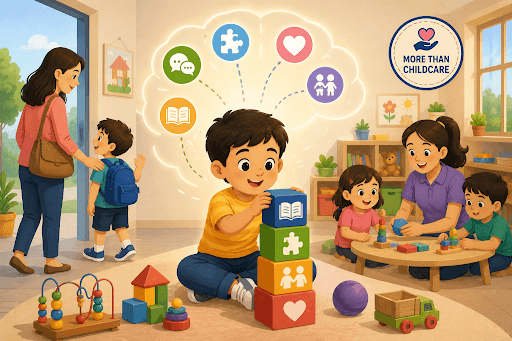
Tiny Tots offers an immersive learning experience, engaging all five senses. Through tactile activities, music, visual aids, interactive tech, and group discussions, children explore concepts naturally and enjoyably.
Through hands-on experiences, role-playing, and interactive storytelling, children develop problem-solving skills, enhance their creativity, and build strong social connections. By fostering creativity, curiosity, and collaboration, the program ensures that every child develops a love for learning that will stay with them for a lifetime.
For more information on this and other such schools in the area, check out this list of the best schools in Pune.






 as a preferred source on