









Have you ever watched your child build a tiny structure out of blocks or mix soil and water just to “see what happens”? That’s curiosity in its purest form, the first spark of science, discovery, and care for the world around us.
In today’s world, where environmental awareness is no longer optional but essential, schools are reimagining how children learn. By blending STEM education (Science, Technology, Engineering, and Mathematics) with eco-conscious values, they’re helping children become Eco-STEM Explorers, creative thinkers who understand that innovation and sustainability can go hand in hand.
At Tiny Tots English School, Pune, one of the best schools in Pune, this vision takes shape through its Eco-STEM learning approach, a program that blends science, technology, engineering, and mathematics with sustainability and environmental care. By engaging children in hands-on discovery and planet-friendly experiments, the school fosters curiosity, empathy, and problem-solving skills in equal measure.
In this article, we’ll explore how early STEM programs can inspire young eco-warriors and how this approach helps children build a lifelong connection between innovation and sustainability.
Also Read | The Power of Play: The Tiny Tots "Learning Orchestra
Why Eco-STEM in Early Years Matters
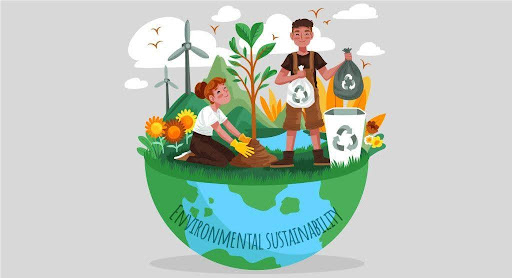
- Cognitive Connection to Nature: 75% of brain development occurs before the age of five; hence, young children are naturally drawn to their surroundings. Embedding scientific inquiry into environmental themes strengthens their observational skills and curiosity.
- Developing Values Through Practice: When STEM lessons revolve around real ecological issues like water conservation or plant growth, children begin to internalize notions of care, responsibility, and sustainability.
- Bridging Theory & Action: Eco-STEM projects provide tangible, hands-on platforms to test hypotheses, measure outcomes, and iterate, instilling scientific thinking with ecological awareness.
- Long-term Impact: Studies show that early experience with environment-based science increases the likelihood of pro-environmental attitudes in adolescence.
Eco-STEM in Action
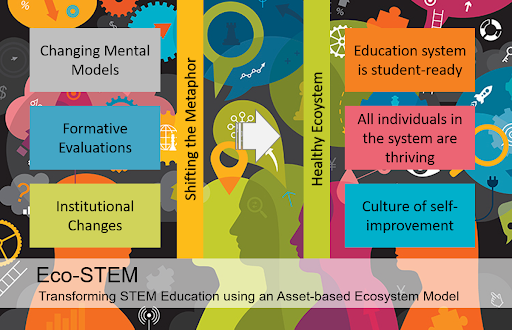
Children learn best through doing. The Eco-STEM framework uses experiential learning to bring environmental education to life.
Activities that Make a Difference
- Water-Saving Experiments: Students measure daily usage, track leaks, and learn to reuse water creatively.
- Planting Projects: Each child grows a sapling, records observations, and learns about soil types and sunlight needs.
- Solar Energy Exploration: Simple solar-powered toys and lamps introduce the concept of clean, renewable energy.
- Waste Segregation Challenges: Children sort materials, recycle craft items, and monitor classroom waste reduction weekly.
Skills Developed
- Critical thinking and data analysis
- Creativity through eco-engineering
- Teamwork and community building
- Environmental empathy and responsibility
A Day in the Life of an Eco-STEM Learner
Studies show that early introduction to environmental science can increase eco-conscious behavior by over 40% in later years. Each day follows a balanced rhythm of structured learning and open-ended exploration:
- Circle Time: Discussing “green” topics, plants, animals, and recycling.
- STEM Lab Hour: Guided experiments with materials like water, clay, and solar kits.
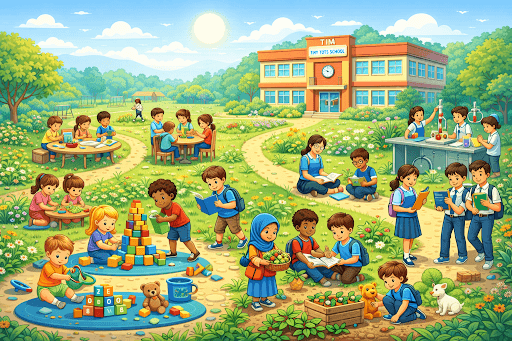
- Outdoor Eco Play: Observing insects, clouds, and trees; maintaining a mini garden.
- Reflection Time: Charting results, discussing learnings, and setting eco-goals for the week.
This mix of freedom and focus ensures children build curiosity, self-discipline, and compassion, qualities crucial for sustainable living.
Integrating Eco-STEM into School Practice
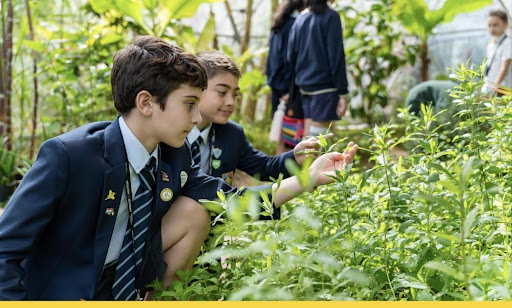
By making eco-STEM a routine, participatory, and visible aspect of school life, children grow into environmental thinkers, rather than just passive learners. To ensure eco-STEM isn’t occasional, but embedded, here’s how the school can (and reportedly does) weave sustainability into daily routines:
- Scheduled Eco-STEM Hours: Weekly slots devoted to environment-themed science play and experiments.
- Vertical Gardens & Green Corners: Even in limited space, using container gardens, pots, and vertical planters enhances access to nature.
- Water Monitoring Stations: Taps or small plots fitted with sensors or manual gauges to track usage and losses. Students can read and log the data.
- Solar Toy Kits & Renewable Modules: Lending kits that run on solar or wind power during class periods.
- Parent & Community Involvement: Sharing project outcomes (e.g., compost yield, plant survival rates) with parents helps extend eco-habits into homes.
Family Engagement: Sustainability Starts at Home
Eco-STEM learning doesn’t stop at the classroom door. Parents are encouraged to extend this mission at home through:
- Family gardening projects
- Water tracking charts on refrigerators
- DIY recycling crafts
- Weekend nature walks to discuss local biodiversity
Check Out | How Nature Enhances Learning | The Role of Environment in Education
Tiny Tots English School: Cultivating Responsible Innovators
Tiny Tots English School is one of the best CBSE schools in Pune and is a co-educational institution offering classes from Pre-Nursery to Grade V. With an optimal student–teacher ratio of 10:1 and a focus on hands-on, inquiry-driven learning, the school creates an ideal setting for nurturing young innovators. The campus features modern classrooms, STEM labs, activity zones, and eco-gardens that foster exploration and environmental connection.
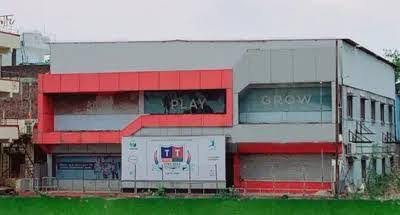
Established in 1997, the school’s Eco-STEM learning initiative seamlessly blends academics with environmental consciousness. Through projects on water conservation, waste management, planting drives, and renewable energy, children learn to think scientifically and act responsibly. Teachers guide them to see discipline as curiosity-driven responsibility, encouraging action, not fear.
By instilling sustainability through play and exploration, Tiny Tots ensures its learners grow into thoughtful, creative, and environmentally aware citizens ready to build a greener, brighter tomorrow.
For more information on this and other such schools in the area, check out this list of the best schools in Pune.











 as a preferred source on