







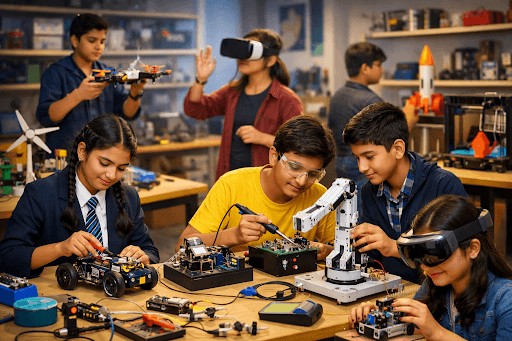

Innovation begins with curiosity. When students ask questions and explore solutions, learning becomes exciting and meaningful. Traditional classrooms help students understand concepts, but hands-on environments allow them to apply those concepts in real situations. Schools that encourage experimentation and creativity help students develop skills that will be valuable in the future.
Today, education is moving beyond textbooks and memorisation. Students are expected to think critically, solve problems, and adapt to new technologies. Laboratories and innovation spaces provide the right environment for this type of learning. By working with tools, building prototypes, and testing ideas, students develop confidence in their abilities.
This article explores how innovation labs help students develop future-ready skills and how Swarnprastha Public School, one of the best boarding schools in India, takes pride in nurturing creativity and problem-solving abilities through its Atal Tinkering Lab, where students experiment, invent, and transform ideas into practical solutions.
Also Read | How Boarding Schools Develop Life Skills: With Insights from Swarnprastha Public School
The Growing Importance of Innovation in School Education
The world today demands more than theoretical knowledge. Industries look for individuals who can analyse problems, develop solutions, and think creatively. Schools therefore play a crucial role in building these abilities from an early age.
Innovation labs give students a space where they can explore ideas freely. Instead of only learning scientific principles, students apply them while designing projects or solving real-world challenges. This approach helps learners understand how science and technology influence everyday life.
Students also become comfortable with experimentation. They learn that mistakes are part of the learning process. When something does not work as expected, they analyse the problem and try again. This mindset strengthens resilience and curiosity, qualities essential for innovation.
What Is the Atal Tinkering Lab?
The Atal Tinkering Lab (ATL) initiative was introduced to encourage innovation and problem-solving among young learners. These labs provide schools with advanced tools and resources that help students explore STEM, Science, Technology, Engineering, and Mathematics, through hands-on activities.
In an ATL environment, students move from theoretical understanding to practical creation. They brainstorm ideas, design prototypes, and build working models. The lab becomes a space where curiosity leads to discovery.
Students working in an ATL environment often use:
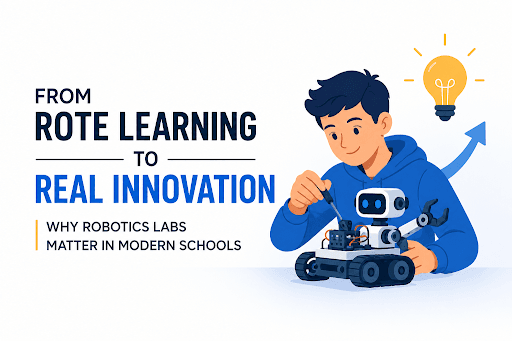
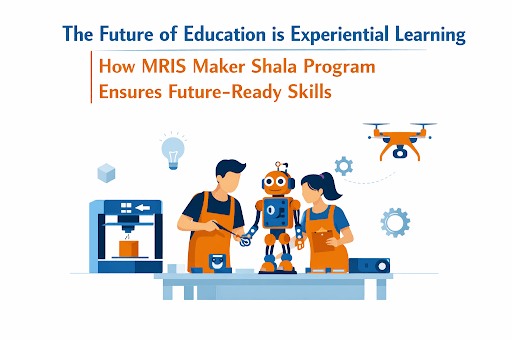
- Robotics kits that allow them to build programmable machines and understand automation.
- Sensors and electronic components to explore concepts such as motion detection, temperature control, and environmental monitoring.
- 3D printing tools that help students transform digital designs into physical objects.
- IoT and AI tools that introduce them to emerging technologies shaping modern industries.
These tools allow students to see technology not as a distant concept but as something they can actively create and control.
Skills Students Develop in the Atal Tinkering Lab
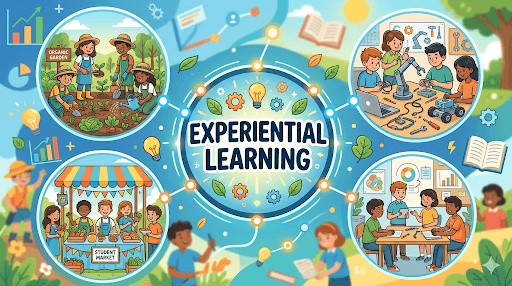
The Atal Tinkering Lab focuses on experiential learning. Instead of memorising theories, students build projects that demonstrate how those theories work. This learning method develops a range of important skills.
Problem-Solving Skills
Students learn to identify challenges and design solutions. For example, they may create models that address environmental issues or improve everyday systems. This approach strengthens analytical thinking.
Creativity and Innovation
ATL activities encourage students to think beyond standard answers. When designing prototypes or robotics models, learners experiment with different ideas until they find the most effective solution.
Collaboration and Teamwork
Most ATL projects involve teamwork. Students work in groups to plan designs, divide tasks, and test prototypes. This process improves communication and cooperation.
Technical Understanding
By using sensors, robotics kits, and digital tools, students develop familiarity with modern technologies. This early exposure prepares them for advanced learning in STEM fields.
Confidence in Experimentation
Students realise that innovation requires experimentation. They gain the confidence to test ideas and refine them through repeated trials.
These experiences help students develop a mindset that values curiosity and continuous improvement.
Turning Ideas into Real-World Projects
One of the most exciting aspects of the Atal Tinkering Lab is the opportunity for students to create projects that address real-world problems. Instead of solving textbook questions, learners apply their knowledge to design practical solutions.
Students may design prototypes that support environmental conservation, energy efficiency, or community safety. For example, they might create smart devices that monitor water levels, automated systems that improve safety, or digital tools that simplify everyday tasks.
Working on such projects helps students see the relevance of science and technology in everyday life. They begin to understand that innovation can make a positive difference in society.
Check Out | The Power of Movement: How Physical Activities Shape Young Learners
Swarnprastha Public School: Encouraging Innovation through ATL
Swarnprastha Public School, one of the best CBSE Boarding Schools in India, has embraced the vision of experiential STEM education through its Atal Tinkering Lab. The school provides students with a dedicated space where creativity, experimentation, and discovery take place regularly.
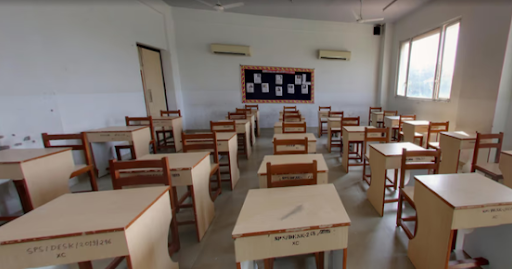
The lab encourages students to explore ideas beyond textbooks. Teachers guide learners through project-based activities, allowing them to apply scientific and technological concepts in practical ways. Students work with robotics kits, electronic components, and design tools that bring their ideas to life.
Swarnprastha Public School also promotes teamwork and independent thinking within the lab environment. Students collaborate to design prototypes, test solutions, and refine their projects. This structured approach builds both technical knowledge and creative confidence.
By integrating ATL activities into the learning process, the school ensures that students gain exposure to emerging technologies and develop skills relevant to the future workforce.
Conclusion
Innovation labs play an important role in preparing students for a rapidly evolving world. Through hands-on exploration, learners develop creativity, critical thinking, and problem-solving skills that extend beyond the classroom. The Atal Tinkering Lab encourages students to experiment with robotics, sensors, and emerging technologies, helping them transform ideas into practical solutions.
Swarnprastha Public School’s commitment to experiential STEM education ensures that students gain both technical knowledge and innovation skills. Parents seeking a school that nurtures creativity, collaboration, and future-ready learning can explore Swarnprastha Public School as a place where ideas are encouraged and innovation becomes a habit.
To learn more about this and other schools nearby, see this list of the top boarding schools in India.







 as a preferred source on