







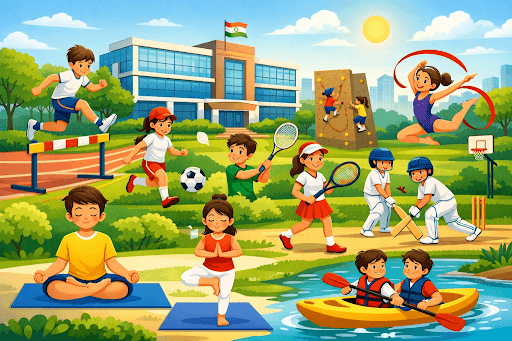

Physical activity is not just about keeping children busy or tiring them out before lunch. It is very important to shape young minds to learn, grow, and develop. Kids develop more than just muscles when they do activities like skating, aerobics, and/or yoga. They learn important life skills that they will need for the rest of their lives, as well as coordination and confidence.
Modern schooling understands that a youngster can't reach their full potential if they sit at a desk all day. Schools all around India now include a variety of physical activities in their lessons because they know that moving around helps with thinking, controlling emotions, and connecting with friends. These activities make people well-rounded and successful in school and in life.
In this article, we talk about the benefits of different physical activities for kids, why it's important to have a variety of movement activities in schools, and how schools can make programs that help kids improve in all areas.
Also Read | From Service to Excellence: The Three-Decade Journey
Why Physical Activity Matters for Children
Movement is the language children speak naturally. Physical activity helps them learn about the world from the time they take their first steps to the time they run around on the playground. Research shows that children who engage in regular physical activities perform better academically, show improved concentration, and develop stronger problem-solving skills.
Brain Development and Learning
A student’s brain develop new neural pathways when they do some physical activity. Exercise increases blood flow to the brain, which brings oxygen and nutrients that help the brain work better. Skating and yoga are two activities that require coordination and balance. They help the left and right sides of the brain connect to each other better. This connection makes it easier to remember things, pay attention, and process information fast.
Emotional and Social Growth
Kids can learn how to succeed and fail in a safe way through physical activities. They learn how to deal with disappointment when they fall while skating, how to be proud of themselves when they conquer a hard yoga position, and how to celebrate success when they coordinate movements in aerobics. These experiences make them more emotionally strong, which helps them deal with stress and feel more confident in all areas of their life.
The Role of Different Movement Programs
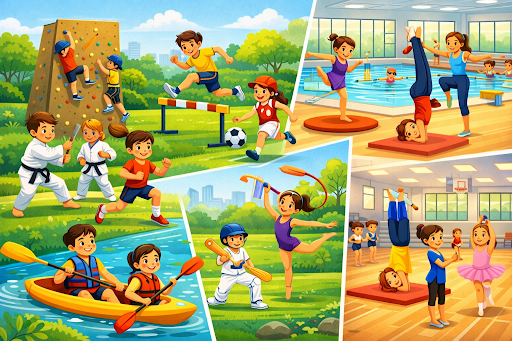
Giving kids a lot of different physical activities makes sure that everyone finds something they like. Not every student will like competitive sports, but some might enjoy rhythmic aerobics or find calm in yoga.
Skating: Building Balance and Courage
Skating teaches kids how to balance, both in a physical and a figurative sense. They get stronger in their core and learn to be aware of their surroundings as they learn to roll on wheels. Students need to be brave and focused to do this activity, which is good for them when they have to do hard schoolwork. Skating also teaches you to keep trying since you have to learn from your mistakes and keep trying until you get it right.
Aerobic: Energy and Coordination
Most kids love aerobics because it blends music, rhythm, and movement into an exciting package. Aerobic is a group activity that makes people feel like they are part of a community and that they have achieved something together. Students learn how to move in time with others, which helps them work together and improve their coordination.
Yoga: Mindfulness and Inner Strength
Yoga is different from other activities that are high-energy. It shows kids how to slow down, take deep breaths, and feel their bodies. Yoga gives us techniques to deal with stress and anxiety in our busy, distracting world. Kids who do yoga regularly have better focus, emotional control, and flexibility. The exercise also teaches them qualities like being patient and accepting themselves.
Also Read | Learn to Serve, Grow to Lead
Creating Effective Physical Education Programs
Schools designing physical activity programs should focus on inclusion, safety, and progression. Every program needs teachers who know how kids grow and can change activities to fit different skill levels.
Safety First Approach
There is some risk with every kind of physical activity. Schools need to make sure they have the right equipment, enough staff to watch over students, and clear safety rules. This includes smooth surfaces and protective clothing for skating programs. For yoga, this includes poses that are right for your age and good warm-ups. Kids are more likely to participate in activities and get more out of them when they feel comfortable.
Progressive Skill Development
The best programs start with the basics and then get harder over time. People who are new to skating start by standing and gliding before trying to turn or go faster. Aerobic classes should start with simple steps and then put them together into more complicated routines. Yoga starts with simple breathing and movements and then moves on to more difficult asanas. This step-by-step method increases confidence and keeps you from getting hurt.
Making It Enjoyable
It shouldn't feel like punishment or a boring thing to do a physical activity. Such activities are more fun when teachers are excited and creative. Kids stay interested when they use music, games, and fun challenges. Students who look forward to such physical activities develop good connections and practice remaining physically fit even in their adulthood.
Long-Term Benefits of Childhood Physical Activity
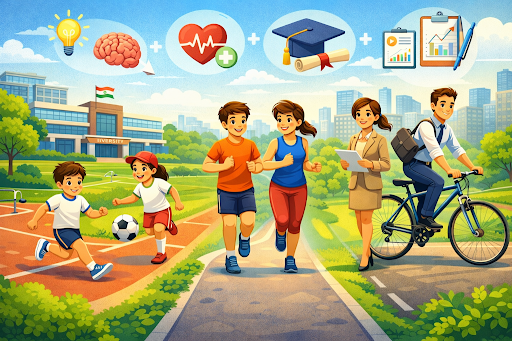
The habits children form around movement influence their lives by creating a positive influence on their health and lifespan. Students who prefer to do a lot of different physical activities are more likely to be active as adults. This lowers their chance of getting lifestyle disorders like diabetes and heart disease.
Academic Excellence Connection
Many studies have found strong links between being physically healthy and doing well in school. Kids who get regular exercise do better on examinations, finish their schoolwork faster, and behave better in class. The discipline learnt in sports directly affects how the children study.
Building Lifelong Wellness Habits
Schools help kids find out what they like by giving them a variety of physical activities to do. Some kids would keep skating for fun, some might keep doing yoga every day, and many might like going to aerobics courses at gyms. This variety makes sure that all students build healthy habits that will last.
Check Out | A School Where Fitness is a Way of Life
Lions Public School: Pioneering Comprehensive Physical Education

Lions Public School in Sector 102, Gurgaon, is a great example of how schools may successfully include a variety of physical activities in their lessons. The school focuses on providing a holistic education to students. It helps in developing citizens with good personality and character.
The school has organised skating classes with professional teachers, making it a safe and welcoming place for skaters of all levels. Students take part in these activities on a regular basis, which helps them improve their balance, coordination, and confidence on wheels.
Every learner gets support and experienced advice, whether they are new, taking their first cautious glides or advanced skaters working on their technique. The skating program helps kids become in shape and teaches them focus, discipline, and determination, which are all important for their general personality development.
Lions Public School has more than just skating. They also have aerobics and yoga classes that go along with their full physical education program. The aerobics classes provide excitement and rhythm to students' daily lives and help their hearts stay healthy by getting them to work out with others.
Their yoga program is based on an old Indian tradition and helps students improve their focus, flexibility, and inner peace via age-appropriate asanas, pranayama, and meditation. These programs work together to help students become thoughtful, healthy, and focused, so they can face life's challenges with balanced minds and bodies.
Conclusion
Being active is the most important part of a child's healthy growth. Schools should give every child a chance to find their skills, build confidence, and develop healthy habits that will last a lifetime through a variety of activities, including skating, aerobics, and yoga. Lions Public School shows how dedicated schools may successfully offer a broad range of physical education that goes beyond traditional sports. This way, every student can find their own way to fitness and self-discovery while still doing well in school.
For more information on this and other such schools in the area, check out this list of the best schools in Gurgaon.



 as a preferred source on