







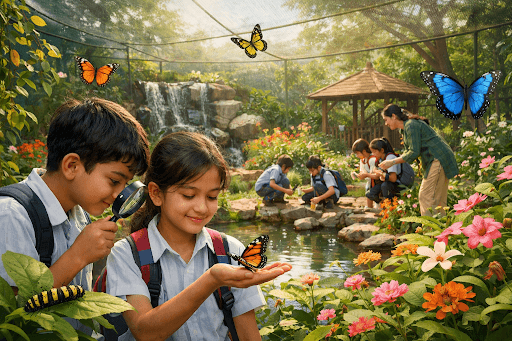

Nature has always been one of the best teachers. When students observe plants, insects, and natural habitats closely, they begin to understand how ecosystems function. Such experiences create curiosity and help learners connect scientific concepts with real-life examples.
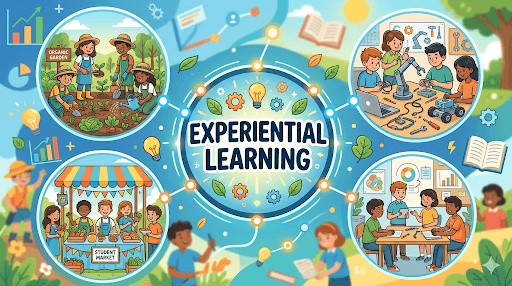
In many schools today, learning spaces extend beyond classrooms. Gardens, eco-zones, and biodiversity areas give students opportunities to explore environmental concepts through observation and interaction. These nature-based environments encourage experiential learning and build a deeper appreciation for the balance that sustains life on Earth.
This article explores how butterfly conservatories help students understand biodiversity and environmental responsibility, and how KIIT World School, Gurgaon, one of the best schools in Gurgaon, takes pride in nurturing ecological awareness through its Butterfly Conservatory initiative that connects students with nature in meaningful ways.
Also Read | Learn Leadership via Signature Summits at KIIT World SchoolWhy Nature-Based Learning Matters in Schools
Students often learn about ecosystems, biodiversity, and conservation through textbooks. While these lessons provide important knowledge, real understanding develops when students observe nature directly. Nature-based learning gives students the opportunity to see how living systems interact and depend on one another.
When learners spend time in natural spaces, they begin to notice details that are easy to miss in a classroom. They observe insects moving between plants, flowers attracting pollinators, and small habitats supporting different forms of life. These experiences make scientific concepts more meaningful and easier to remember.
Nature-based learning also strengthens emotional connections with the environment. When students develop curiosity about living organisms, they naturally begin to care about protecting them. This sense of responsibility encourages sustainable thinking from an early age.
Schools that integrate natural learning spaces create environments where students learn not only about nature but also from nature.
Understanding Biodiversity Through Butterfly Conservatories
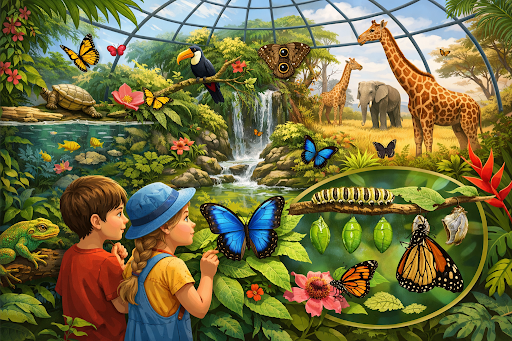
Butterfly conservatories provide a unique learning environment where students can observe biodiversity closely. These spaces are designed to support butterflies, plants, and other small organisms that form part of a balanced ecosystem. By watching butterflies interact with their surroundings, students begin to understand how nature works as an interconnected system.
Observing the Life Cycle
One of the most fascinating aspects of a butterfly conservatory is the opportunity to observe the life cycle of butterflies. Students can see the stages from egg to caterpillar, then chrysalis, and finally the adult butterfly. Watching this transformation helps students understand biological processes in a real and memorable way.
Learning About Plant-Pollinator Relationships
Butterflies depend on specific plants for nectar and survival. When students observe butterflies feeding and moving between plants, they learn how pollinators support plant reproduction and ecosystem health. This practical experience strengthens lessons related to ecology and environmental science.
Recognising the Importance of Habitats
Butterflies thrive in spaces where plants, sunlight, and shelter are balanced. A conservatory helps students understand how habitats support life and why protecting natural environments is important for biodiversity.
Through these experiences, butterfly conservatories transform scientific concepts into living lessons that students can observe and appreciate firsthand.
Skills Students Develop Through Experiential Environmental Learning
Nature-based learning spaces such as butterfly conservatories do more than teach scientific facts. They help students develop important habits of observation, patience, and responsibility. When learners interact with natural environments, they begin to understand that every living organism plays a role in maintaining ecological balance.
Students develop several valuable skills through this form of experiential learning:
- Observation and curiosity
Watching butterflies move between plants encourages students to notice details in nature. They begin asking questions about behaviour, habitats, and seasonal changes. - Scientific thinking
Students learn to connect classroom lessons with real observations. They compare what they read in books with what they see in nature. - Patience and attention
Nature does not move quickly. Observing butterflies requires quiet focus and patience, which strengthens concentration. - Environmental responsibility
When students understand how delicate ecosystems are, they become more mindful about protecting plants, insects, and natural habitats.
These skills encourage students to develop a respectful relationship with nature while strengthening their academic understanding of environmental science.
Check Out | Learning Through Play: Creating Joyful Experiences
KIIT World School, Gurgaon: Inspiring Ecological Responsibility Through the Butterfly Conservatory
KIIT World School, Gurgaon, one of the best CBSE schools in Gurgaon, believes that meaningful environmental education must move beyond textbooks. The school’s Butterfly Conservatory initiative creates a learning space where students experience biodiversity directly and understand their role in protecting it.
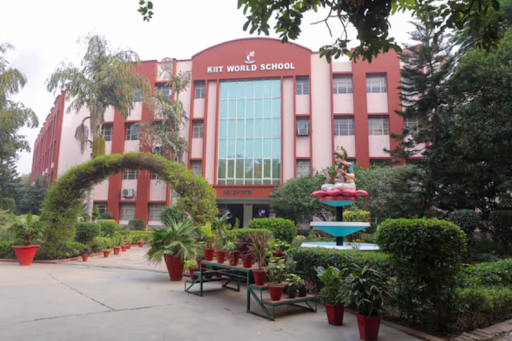
Within this conservatory, students observe butterflies in a carefully maintained natural environment. They learn about plant species that attract pollinators and understand how different organisms depend on each other within an ecosystem. These experiences strengthen classroom lessons related to biology, ecology, and environmental science.
The conservatory also encourages students to take responsibility for nature. By observing life cycles, habitats, and plant–pollinator interactions, learners develop patience, curiosity, and respect for living systems. Teachers guide students in connecting these observations with sustainability practices and conservation awareness.
Through this initiative, KIIT World School ensures that environmental learning becomes active and meaningful. Students not only study biodiversity but also develop a deeper appreciation for the natural world.
Conclusion
Nature-based learning initiatives help students understand environmental concepts in a deeper and more meaningful way. Observing butterflies, plants, and natural habitats allows learners to connect scientific ideas with real experiences. Such exposure strengthens curiosity, patience, and environmental awareness while helping students understand the importance of biodiversity and conservation.
The Butterfly Conservatory at KIIT World School, Gurgaon provides students with a unique opportunity to explore nature closely and responsibly. By integrating experiential learning with environmental education, the school prepares students to appreciate ecological balance and develop a lasting commitment toward protecting the natural world.
To learn more about this and other schools nearby, see this list of the top schools in Gurgaon.








 as a preferred source on